Colon Cancer Cases Are Rising: 5 Warning Signs You Shouldn’t Ignore
In recent years, doctors have noticed a worrying trend: cases of colon cancer are increasing, including among younger adults. Because the disease often develops slowly and quietly, many people don’t realize something is wrong until it has already progressed.
The good news is that early detection can make a huge difference. Knowing the warning signs may help you seek medical advice sooner.
Here are 5 symptoms doctors say you should pay attention to.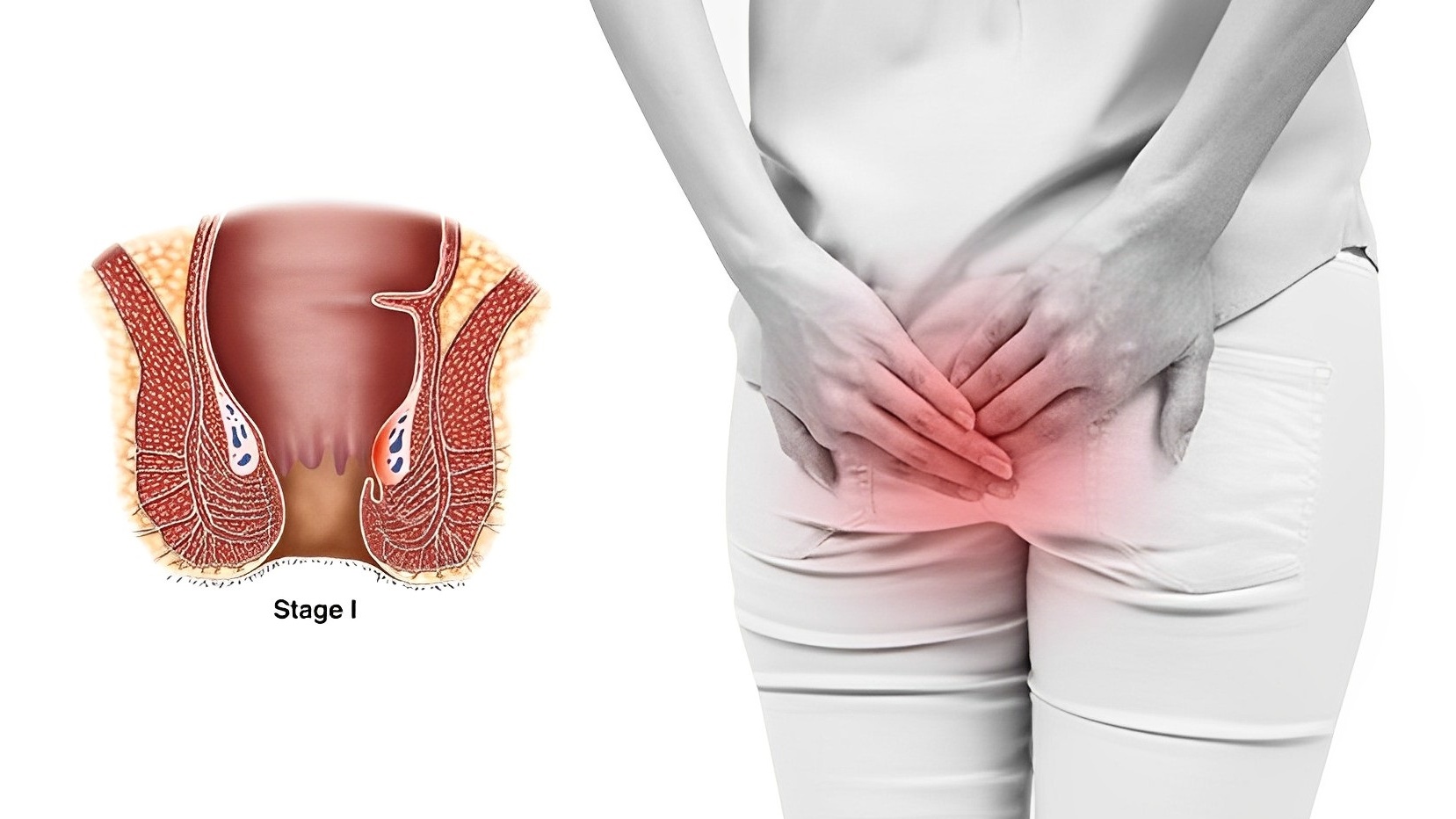
1. Persistent changes in bowel habits
One of the earliest signs can be ongoing digestive changes, such as:
- Frequent diarrhea
- Constipation
- Narrow stools
- Feeling like the bowel doesn’t empty completely
If these symptoms continue for several weeks, it’s important not to ignore them.
2. Blood in the stool
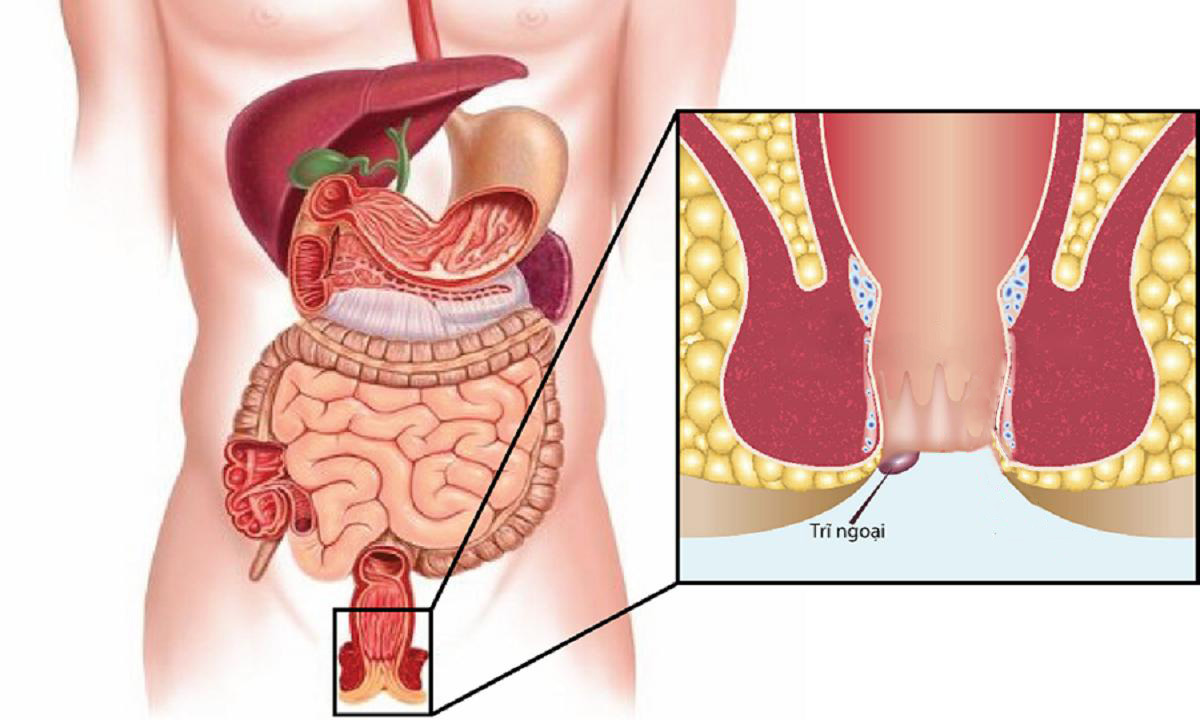
Seeing blood in the stool — whether bright red or dark-colored — can be a warning sign of colon problems, including colon cancer.
Some people assume it’s just hemorrhoids and delay getting checked. However, any unexplained bleeding should be evaluated by a doctor.
3. Unexplained stomach pain or bloating
Frequent abdominal discomfort, cramps, gas, or bloating that doesn’t go away may also be linked to digestive conditions, including colon cancer.
Persistent pain should never be ignored, especially when combined with other symptoms.
4. Sudden weight loss
Losing weight without changing your diet or exercise habits can sometimes signal an underlying health problem.
Unexpected weight loss may happen because the body is using more energy to fight disease.
5. Constant fatigue
Many people with colon cancer report feeling unusually tired or weak, even after resting.
This can happen when slow internal bleeding leads to low iron levels or anemia.
Don’t ignore early warning signs
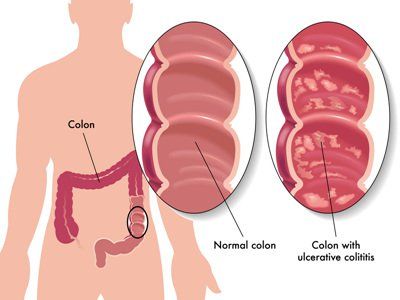
Having one or more of these symptoms does not automatically mean someone has colon cancer. Many digestive conditions can cause similar problems. However, persistent symptoms should always be taken seriously.
Doctors recommend:
- Eating more fiber-rich foods
- Exercising regularly
- Limiting processed foods and alcohol
- Getting routine screenings, especially after age 45 or earlier if there is family history
Early detection saves lives. Paying attention to your body could make all the difference.