What Happens to Your Body When You Eat Sweet Potatoes Regularly?
The Surprising Effects Sweet Potatoes May Have on Your Body
⏱️ 1 min read 09/08/2026 12:42
Your kidneys are small, bean-shaped organs, but they perform some remarkably important jobs. Located toward the back of your abdomen, they filter waste and excess fluid from your blood, help control blood pressure, support red blood cell production, and maintain the body's balance of minerals and electrolytes.
One of the challenges with kidney disease is that it may develop quietly. Early kidney disease often causes few or no noticeable symptoms. Some people only discover they have reduced kidney function after routine blood or urine testing.
When symptoms do appear, they can be subtle and may overlap with many other health conditions. That means a symptom by itself does not prove that your kidneys are having problems.
Still, recognizing possible warning signs can help you know when it may be time to speak with a healthcare professional.
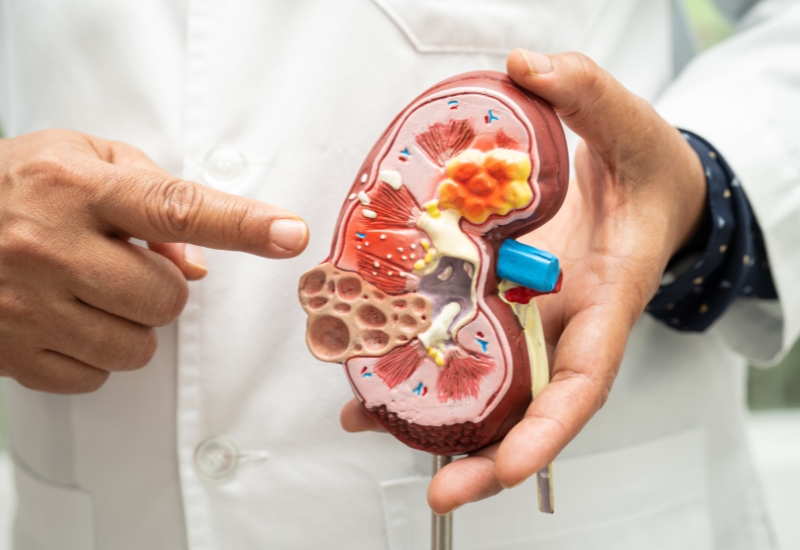
Your kidneys continuously filter your blood.
Their major functions include:
Removing waste products
Eliminating excess fluid through urine
Balancing sodium, potassium, and other electrolytes
Helping regulate blood pressure
Supporting red blood cell production
Maintaining healthy bones through vitamin D metabolism
Helping maintain the body's acid-base balance
When kidney function declines, waste and fluid can gradually build up in the body.
The effects may initially be subtle.
Changes in your normal urination pattern can sometimes be associated with kidney or urinary tract problems.
You may notice:
Urinating much more frequently
Urinating much less than usual
Increased urination at night
Foamy or unusually bubbly urine
Blood in the urine
Difficulty urinating
However, these symptoms have many possible causes.
For example, frequent urination can occur with diabetes, urinary tract infections, pregnancy, certain medications, or simply drinking more fluids.
Persistent or unexplained changes should be evaluated.
Occasional bubbles in the toilet are usually not a reason for concern.
However, urine that consistently appears unusually foamy may sometimes indicate increased protein in the urine.
Healthy kidneys normally prevent significant amounts of protein from passing into urine.
When the kidney's filtering structures are damaged, protein can leak into the urine. This is known as proteinuria or albuminuria.
Persistent foamy urine is therefore worth discussing with a healthcare professional.
Blood in the urine is known as hematuria.
It can make urine appear:
Pink
Red
Brown
Tea-colored
But sometimes blood is present in amounts too small to see without laboratory testing.
Possible causes include:
Urinary tract infections
Kidney stones
Kidney disease
Certain medications
Prostate conditions
Bladder or kidney problems
Blood in the urine should not be automatically attributed to kidney disease, but it should be evaluated.
The kidneys help remove excess sodium and fluid from the body.
When kidney function is significantly impaired, the body may retain more fluid.
This can contribute to swelling, particularly in:
Feet
Ankles
Lower legs
Hands
Around the eyes
However, swelling can also occur with heart disease, liver disease, venous problems, medications, pregnancy, and other conditions.
Sudden swelling of one leg, especially with pain or warmth, requires urgent medical evaluation because a blood clot is one possible cause.
Some people with kidney conditions may develop puffiness around the eyes, particularly in the morning.
One possible reason is protein loss through the urine, which can contribute to fluid accumulation.
But morning facial puffiness is not specific to kidney disease. Allergies, lack of sleep, sinus problems, and other conditions can produce a similar appearance.
Persistent or unexplained swelling should be assessed.
Kidney disease can contribute to fatigue for several reasons.
As kidney function declines, the kidneys may produce less erythropoietin, a hormone that helps stimulate red blood cell production.
This can contribute to anemia.
Anemia may cause:
Tiredness
Weakness
Reduced exercise tolerance
Shortness of breath
Difficulty concentrating
Fatigue is extremely common, however, and can result from sleep problems, thyroid disease, nutritional deficiencies, infections, depression, medications, and many other causes.
Advanced kidney disease can cause waste products to accumulate in the bloodstream.
This may contribute to:
Nausea
Vomiting
Poor appetite
Changes in taste
An unpleasant or metallic taste
These symptoms are generally more concerning when they occur together with other signs of significant kidney dysfunction.
Persistent nausea should not automatically be blamed on the kidneys because digestive disorders, infections, medications, pregnancy, and other conditions can cause similar symptoms.
People with advanced kidney disease can sometimes develop significant itching.
Changes in mineral balance and the accumulation of certain substances in the blood may contribute to this symptom.
Kidney-related itching is usually associated with more advanced disease rather than early kidney problems.
Many other conditions—including eczema, allergies, liver disease, and dry skin—can also cause itching.
The kidneys help maintain normal electrolyte levels.
When kidney function is severely impaired, abnormalities involving minerals such as:
Potassium
Calcium
Phosphorus
Sodium
may contribute to muscle symptoms.
Possible symptoms include:
Muscle cramps
Weakness
Twitching
Restlessness
However, muscle cramps are common and are frequently caused by exercise, dehydration, medications, or other factors.
Kidney-related pain is often felt in the flank, located on either side of the back below the ribs.
Kidney stones may cause severe, wave-like pain that can radiate toward the abdomen or groin.
Kidney infections can cause pain accompanied by:
Fever
Chills
Burning urination
Frequent urination
Nausea
Not all kidney disease causes pain. Chronic kidney disease, in particular, may remain painless for a long time.
The kidneys and blood pressure have a close relationship.
The kidneys help regulate blood pressure by controlling fluid balance and producing hormones involved in blood vessel regulation.
Kidney disease can contribute to high blood pressure.
At the same time, high blood pressure can damage the kidneys over time.
This creates a cycle in which kidney disease and hypertension can worsen one another.
Regular blood pressure monitoring is therefore an important part of kidney health.
People with advanced kidney disease may experience difficulty concentrating, drowsiness, or changes in mental alertness.
This can happen when waste products accumulate in the bloodstream or when complications such as anemia or electrolyte disturbances develop.
However, "brain fog" has many possible causes, including poor sleep, stress, medications, hormonal changes, and nutritional problems.
New or significant changes in mental status require medical evaluation.
Shortness of breath can occur with advanced kidney disease for several reasons.
Fluid buildup can affect the lungs, while kidney-related anemia can reduce the blood's oxygen-carrying capacity.
However, shortness of breath is much more commonly associated with conditions involving the heart and lungs.
Sudden or severe difficulty breathing is an emergency.
Some people with advanced kidney disease report:
Metallic taste
Reduced appetite
Changes in the taste of foods
Unpleasant taste in the mouth
These changes can occur when waste products accumulate in the bloodstream.
But altered taste can also result from infections, medications, dental problems, and other conditions.
One of the most important facts about kidney disease is that early chronic kidney disease often causes no symptoms.
A person can feel completely healthy while kidney function is gradually declining.
This is particularly important for people with higher-risk conditions such as:
Diabetes
High blood pressure
Cardiovascular disease
Family history of kidney disease
Obesity
Routine testing can detect kidney problems before symptoms become obvious.
Doctors typically use both blood and urine tests.
A common test measures serum creatinine.
Creatinine is a waste product produced by normal muscle metabolism.
The kidneys normally filter it from the blood.
Healthcare professionals can use creatinine along with other information to estimate the estimated glomerular filtration rate (eGFR), which provides an indication of kidney filtration.
Urine testing can look for:
Protein
Albumin
Blood
Signs of infection
A commonly used test is the urine albumin-to-creatinine ratio (UACR).
Persistent albumin in the urine can be an important marker of kidney damage.
Certain groups have a higher risk of kidney disease.
These include people with:
High blood glucose can damage the small blood vessels in the kidneys over time.
Long-term hypertension can damage kidney blood vessels.
Heart and kidney health are closely connected.
Some kidney disorders have genetic components.
Kidney function naturally changes with age, although significant chronic kidney disease is not an inevitable part of aging.
There is no single food or drink that can "cleanse" the kidneys.
Instead, focus on long-term habits.
If you have high blood pressure, follow your healthcare professional's treatment plan.
For people with diabetes or prediabetes, maintaining healthy blood glucose levels can help protect kidney function.
Drink enough fluid to meet your body's needs, while following medical advice if you have a condition requiring fluid restriction.
More water is not necessarily better for everyone.
High-sodium diets can contribute to high blood pressure and fluid retention.
Reducing heavily processed foods can be an effective way to lower sodium intake.
Regular physical activity supports:
Blood pressure
Blood sugar control
Cardiovascular health
Healthy body weight
All of these factors influence kidney health.
Frequent or excessive use of certain nonsteroidal anti-inflammatory drugs (NSAIDs) can damage the kidneys, particularly in people who already have kidney disease or other risk factors.
Talk with a healthcare professional or pharmacist about safe medication use, especially if you regularly take pain relievers.
Fact: Many forms of chronic kidney disease cause no pain, especially in the early stages.
Fact: Occasional bubbles are common. Persistent excessive foaming may warrant testing for protein in the urine.
Fact: Adequate hydration is important, but excessive water intake can be dangerous and is not a substitute for medical treatment.
Fact: Early kidney disease often has no obvious symptoms.
Fact: Kidney disease can occur at any age, particularly in people with conditions such as diabetes, high blood pressure, inherited kidney disorders, or certain autoimmune diseases.
Consider scheduling a medical evaluation if you experience:
Persistent changes in urination
Blood in the urine
Consistently foamy urine
Persistent swelling
Unexplained fatigue
Recurrent flank pain
Persistent nausea
Unexplained high blood pressure
If you have diabetes or high blood pressure, ask your healthcare professional how often your kidney function and urine albumin should be checked.
Some symptoms may indicate a serious kidney or urinary problem and require urgent attention.
Seek emergency care for symptoms such as:
Severe flank or abdominal pain
Fever with severe flank pain
Inability to urinate
Heavy blood in the urine
Severe vomiting with signs of dehydration
Confusion or loss of consciousness
Sudden severe difficulty breathing
Chest pain
These symptoms can result from several serious conditions and should not be self-diagnosed.
Kidney problems can sometimes cause changes in urination, persistent foamy urine, blood in the urine, swelling, fatigue, nausea, itching, muscle problems, flank pain, or changes in blood pressure. But none of these symptoms is specific to kidney disease, and many people with early chronic kidney disease have no noticeable symptoms at all.
That is why kidney health is best assessed through appropriate blood and urine testing, particularly if you have risk factors such as diabetes, high blood pressure, cardiovascular disease, or a family history of kidney problems.
Rather than waiting for obvious symptoms, focus on the basics: manage blood pressure and blood sugar, maintain a healthy weight, stay adequately hydrated, limit excess sodium, exercise regularly, avoid smoking, and use medications responsibly.
Most importantly, if you notice a persistent or unexplained change in your urine, swelling, energy level, or overall health, don't panic—but don't ignore it either. A simple conversation with a healthcare professional and appropriate testing can often provide much clearer answers than symptoms alone.
The Surprising Effects Sweet Potatoes May Have on Your Body
Where Does Liver-Related Pain Usually Occur? What You Should Know
If Your Skin Itches Every Night, Don’t Ignore These Warning Signs
Your Fridge Isn't a Magic Box: 5 Foods That May Not Be Safe the Next Day
18 Possible Signs That Something May Be Affecting Your Health
Millions Use This Water Container Every Day. Could It Be Time to Replace Yours?
3 Cloves, Twice a Day — The Results May Shock You
How to recognize when your body isn’t getting enough oxygen
The real effects of coconut water on your kidneys
4 Signs on Your Skin That Could Be Related to Liver Disease
How awareness, prevention, and support reduce cervical cancer risks.
Sweet potato fans, don’t miss this - it’s never too late to learn!
These 9 Everyday Symptoms Could Be Linked to Diabetes — Don’t Ignore Them
Nighttime drinking habits can affect sleep and long-term health risks.
10 Symptoms to Pay Attention to for Your Overall Health
Why You Get Leg Cramps at Night and What You Can Do About It?
New findings point to a possible developmental pathway related to au.tism
30 Subtle Changes in Your Body You Should Pay Attention To
Stomach Cancer Often Starts Quietly: Watch for These Signs After Eating
His son came home bruised. The next day, the chairman became a janitor.
The Bride They Tried to Sell
The Dress Without a Brand
The Surprising Effects Sweet Potatoes May Have on Your Body
Where Does Liver-Related Pain Usually Occur? What You Should Know
If Your Skin Itches Every Night, Don’t Ignore These Warning Signs
Your Fridge Isn't a Magic Box: 5 Foods That May Not Be Safe the Next Day
18 Possible Signs That Something May Be Affecting Your Health
Millions Use This Water Container Every Day. Could It Be Time to Replace Yours?
The wedding should not be happened
3 Cloves, Twice a Day — The Results May Shock You
How to recognize when your body isn’t getting enough oxygen
The real effects of coconut water on your kidneys
4 Signs on Your Skin That Could Be Related to Liver Disease
How awareness, prevention, and support reduce cervical cancer risks.
Sweet potato fans, don’t miss this - it’s never too late to learn!
These 9 Everyday Symptoms Could Be Linked to Diabetes — Don’t Ignore Them
Nighttime drinking habits can affect sleep and long-term health risks.
10 Symptoms to Pay Attention to for Your Overall Health