Your kidneys are remarkable organs that quietly perform essential tasks every minute of the day. They filter waste products from the blood, regulate fluid balance, help control blood pressure, support red blood cell production, and maintain healthy levels of minerals such as sodium and potassium.
Because the kidneys can continue functioning even after some damage has occurred, kidney disease often develops gradually and may not cause noticeable symptoms in its early stages. As kidney function declines, however, the body may begin to show changes that deserve medical attention.
It's important to remember that many of these symptoms are not specific to kidney disease. They can also be caused by a wide range of other medical conditions. If you notice persistent or worsening symptoms, a healthcare professional can help determine the underlying cause through appropriate evaluation and testing.
Here are some body changes that may be associated with kidney problems and should not be ignored.
Why Are Healthy Kidneys So Important?
Each day, your kidneys filter roughly 150–180 liters of blood, removing waste products and excess fluid while returning important substances back into circulation.
Healthy kidneys help:
-
Remove waste through urine
-
Balance fluids
-
Regulate electrolytes
-
Support healthy blood pressure
-
Activate vitamin D
-
Stimulate red blood cell production
-
Maintain acid-base balance
When kidney function becomes impaired, these processes may be disrupted.
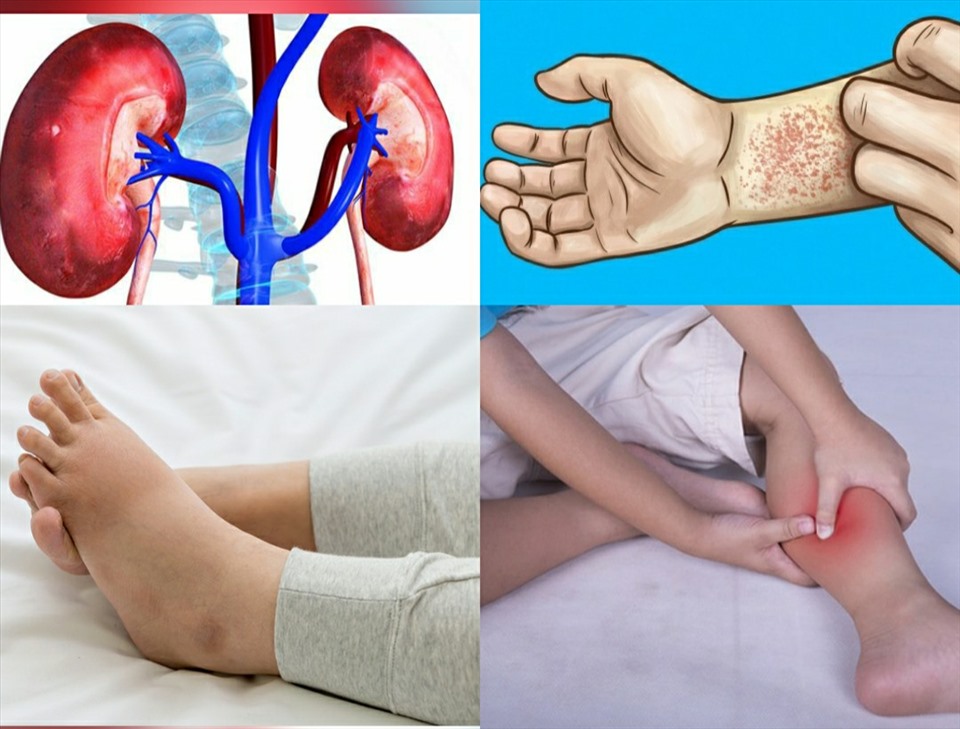
1. Swelling in the Feet, Ankles, or Hands
One of the more recognizable signs of reduced kidney function is swelling, also known as edema.
Healthy kidneys help remove excess fluid from the body. If they are unable to do so effectively, fluid may accumulate in the tissues.
You may notice swelling in:
-
Feet
-
Ankles
-
Lower legs
-
Hands
-
Face, particularly around the eyes
However, swelling can also result from heart disease, liver disease, certain medications, pregnancy, or prolonged sitting or standing.
2. Changes in Urination
Changes in urination may sometimes be among the earliest clues of a kidney problem.
Possible changes include:
-
Urinating more frequently, especially at night
-
Producing less urine than usual
-
Foamy or bubbly urine
-
Dark-colored urine
-
Blood in the urine
-
Difficulty urinating
-
Pain during urination (which may also suggest infection)
Although these symptoms can have many causes, persistent changes should be evaluated.
3. Persistent Fatigue
Feeling tired after a busy day is normal.
However, ongoing fatigue that does not improve with rest may have an underlying medical cause.
When kidney function declines, waste products may build up in the blood, contributing to fatigue and reduced concentration.
Kidney disease can also contribute to anemia, because the kidneys produce a hormone called erythropoietin, which helps stimulate red blood cell production.

4. Itchy Skin
Persistent itching without an obvious skin condition may occasionally be associated with advanced kidney disease.
Possible contributing factors include:
-
Dry skin
-
Mineral imbalances
-
Waste product accumulation
Because itching has many possible causes—including allergies, eczema, liver disease, and medication reactions—it should not be considered a kidney-specific symptom.
5. Puffiness Around the Eyes
Some people notice swelling or puffiness around the eyes, particularly in the morning.
This can occur for many reasons, including:
-
Lack of sleep
-
Allergies
-
High salt intake
-
Fluid retention
In some cases, it may also be associated with protein loss through the urine, which can occur in certain kidney disorders.
6. Muscle Cramps
Frequent muscle cramps may result from:
-
Dehydration
-
Intense exercise
-
Certain medications
They may also occur when kidney disease affects electrolyte balance, particularly levels of calcium, potassium, or magnesium.
7. Loss of Appetite or Nausea
As kidney function declines, waste products can accumulate in the bloodstream.
Some people may experience:
-
Reduced appetite
-
Nausea
-
Vomiting
-
A metallic taste in the mouth
-
Unintentional weight loss
These symptoms are more commonly associated with advanced kidney disease and are not unique to kidney problems.
8. Difficulty Concentrating
The buildup of waste products in the blood may affect mental clarity in advanced kidney disease.
Some individuals report:
-
Difficulty concentrating
-
Trouble remembering things
-
Reduced alertness
-
Mental fatigue
These symptoms can also result from poor sleep, stress, depression, vitamin deficiencies, or many other health conditions.
9. Shortness of Breath
Kidney disease may contribute to shortness of breath in two main ways:
-
Fluid accumulation in the lungs
-
Anemia caused by reduced erythropoietin production
Because shortness of breath can also signal heart or lung disease, it should always be evaluated promptly, especially if severe or sudden.
10. High Blood Pressure
High blood pressure and kidney disease have a close relationship.
High blood pressure can damage the kidneys over time.
At the same time, kidney disease may contribute to elevated blood pressure because the kidneys play a key role in regulating fluid balance and blood vessel function.
Managing blood pressure is one of the most important ways to help protect kidney health.
Who Is at Higher Risk for Kidney Disease?
Certain factors increase the risk of chronic kidney disease.
These include:
-
Diabetes
-
High blood pressure
-
Heart disease
-
Obesity
-
Smoking
-
Older age
-
Family history of kidney disease
-
Long-term use of certain pain medications
-
Autoimmune diseases
People with these risk factors may benefit from regular kidney function testing as recommended by their healthcare provider.
How Is Kidney Disease Diagnosed?
Kidney disease cannot be diagnosed based on symptoms alone.
Healthcare professionals may recommend:
-
Blood tests to measure kidney function
-
Urine tests to check for protein or blood
-
Blood pressure measurement
-
Imaging studies such as ultrasound
-
Additional testing when appropriate
Early detection allows for better management and may help slow disease progression.
Healthy Habits That Support Kidney Health
While not all kidney disease can be prevented, healthy lifestyle choices may help reduce risk.
Consider these habits:
-
Stay well hydrated unless advised otherwise by your healthcare provider.
-
Maintain healthy blood pressure.
-
Keep blood sugar within recommended targets if you have diabetes.
-
Eat a balanced diet rich in fruits, vegetables, whole grains, and lean proteins.
-
Limit excessive sodium intake.
-
Exercise regularly.
-
Avoid smoking.
-
Take medications only as directed.
-
Attend regular medical checkups.
These habits support overall health as well as kidney function.
Common Myths About Kidney Health
Myth: Kidney disease always causes pain.
Fact: Many people with early chronic kidney disease experience no pain or noticeable symptoms.
Myth: If your urine looks normal, your kidneys must be healthy.
Fact: Kidney disease can be present even when urine appears normal.
Myth: Drinking excessive amounts of water prevents all kidney problems.
Fact: Staying hydrated is important, but excessive water intake does not prevent every kidney disease and may not be appropriate for everyone.
Myth: Only older adults develop kidney disease.
Fact: Kidney disease can affect people of any age, although risk increases with age and certain medical conditions.
Myth: Herbal remedies can cure kidney disease.
Fact: No herbal remedy has been proven to cure chronic kidney disease. Some herbal products may even be harmful to the kidneys.
When Should You Seek Medical Care?
Arrange a medical evaluation if you experience:
-
Blood in the urine
-
Persistent swelling
-
Ongoing changes in urination
-
Fatigue that does not improve
-
Unexplained nausea or vomiting
-
Persistent itching
-
High blood pressure that is difficult to control
Seek emergency medical attention immediately if you develop:
-
Severe shortness of breath
-
Chest pain
-
Sudden inability to urinate
-
Confusion or loss of consciousness
-
Severe swelling with difficulty breathing
Protecting Your Kidneys for the Long Term
Kidney health is influenced by many everyday choices. Regular exercise, a balanced diet, adequate hydration, controlling blood pressure and blood sugar, avoiding tobacco, and following your healthcare provider's recommendations can all contribute to maintaining healthy kidney function.
Routine health screenings are especially important for people with diabetes, hypertension, or a family history of kidney disease, as early kidney disease often develops silently.
The Bottom Line
Your kidneys perform essential functions that support nearly every system in the body, yet kidney disease often develops without obvious symptoms in its early stages. Changes such as swelling, persistent fatigue, altered urination, itching, muscle cramps, nausea, or difficulty concentrating may be associated with kidney problems—but they are not specific to kidney disease and can result from many other conditions.
Rather than trying to diagnose kidney disease based on symptoms alone, it's important to pay attention to persistent or unusual body changes and seek medical evaluation when appropriate. Early diagnosis through blood and urine tests, along with healthy lifestyle habits and proper management of conditions such as diabetes and high blood pressure, offers the best opportunity to protect kidney function and support long-term health.