For centuries, herbs have been used in traditional cooking and medicine. Today, scientists are taking a closer look at many of these plants to understand whether their natural compounds may have measurable effects on the body.
One herb in particular has attracted considerable attention because of its antimicrobial and antioxidant properties.
But there's an important distinction between saying an herb may have compounds that affect microorganisms in laboratory studies and saying that eating the herb can treat or cure an infection.
Those are not the same thing.
Certain herbs may support a healthy diet and contribute compounds that interact with the body's natural defense systems. However, when someone has a serious bacterial, viral, fungal, or parasitic infection, appropriate medical treatment remains essential.
So, what can herbs realistically do, and how should they be used?
Why Are Herbs Being Studied for Infection-Fighting Properties?
Plants produce thousands of naturally occurring chemicals called phytochemicals.
Some of these compounds help plants defend themselves against insects, fungi, bacteria, and environmental stress.
When humans consume these plants, some of their compounds may have biological effects.
Researchers have investigated herbal compounds for potential:
-
Antimicrobial activity
-
Antioxidant activity
-
Anti-inflammatory effects
-
Effects on immune signaling
-
Effects on microbial growth
However, laboratory findings don't automatically translate into the same effect in humans.
An extract that inhibits bacteria in a test tube may behave very differently after it is digested, metabolized, and distributed throughout the body.
1. Garlic Is One of the Most Studied Herbs
Garlic is technically a bulb rather than a culinary herb, but it is frequently discussed alongside medicinal herbs because of its long history of traditional use.
Its most famous compound is allicin, which forms when garlic is chopped or crushed.
Allicin and related sulfur-containing compounds have demonstrated antimicrobial activity in laboratory research.
Studies have investigated garlic's potential effects against various:
-
Bacteria
-
Fungi
-
Microorganisms
But this does not mean eating garlic can replace antibiotics or other medical treatment.
Garlic is best considered a nutritious food with biologically active compounds—not an infection cure.
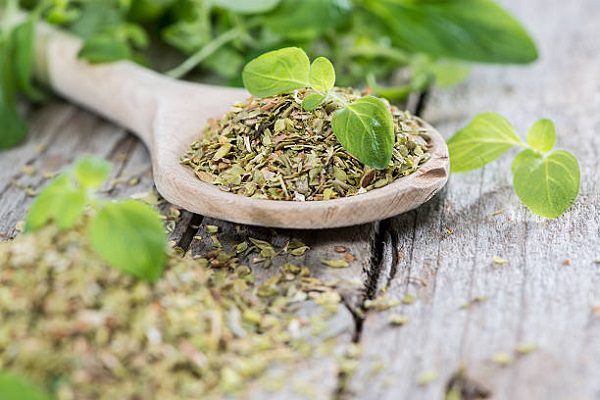
2. Oregano Has Also Attracted Scientific Interest
Oregano contains compounds such as carvacrol and thymol.
These compounds have shown antimicrobial activity in laboratory experiments.
Researchers have studied oregano extracts against various microorganisms, including certain bacteria and fungi.
However, concentrated oregano oil is much stronger than the amount of oregano typically used in food.
That distinction matters.
Adding oregano to a meal is generally very different from swallowing concentrated essential oil.
3. Ginger Contains Bioactive Compounds
Ginger is another plant with a long history of traditional use.
Its major bioactive compounds include gingerols and shogaols.
Research has explored ginger for potential:
-
Anti-inflammatory effects
-
Antioxidant effects
-
Digestive benefits
-
Antimicrobial activity
Ginger may be a useful ingredient in a balanced diet, but evidence that it can independently treat infections in humans remains limited.
4. Turmeric Has Powerful Plant Compounds
Turmeric contains curcuminoids, particularly curcumin.
Curcumin has been extensively studied for its potential biological effects.
Laboratory research has explored its:
-
Antioxidant properties
-
Anti-inflammatory activity
-
Antimicrobial effects
However, curcumin has relatively low natural bioavailability, meaning the body doesn't absorb it particularly efficiently.
Supplements may contain concentrated formulations designed to increase absorption.
Those products can also interact with medications, so more isn't necessarily better.
5. Thyme Contains Naturally Active Compounds
Thyme contains compounds including thymol and carvacrol.
These substances have demonstrated antimicrobial activity under laboratory conditions.
Traditionally, thyme has been used in various preparations for respiratory and digestive complaints.
Today, it remains a popular culinary herb.
Using thyme in cooking is generally a simple way to add flavor without relying heavily on salt.
6. Rosemary Has Antioxidant Properties
Rosemary contains several plant compounds, including rosmarinic acid and carnosic acid.
Researchers have studied rosemary for antioxidant and antimicrobial activity.
Like other herbs, however, laboratory evidence should not be confused with proof that rosemary can treat an infection inside the human body.
Its most established role for everyday use remains as a flavorful culinary herb.
7. What Does "Antimicrobial" Actually Mean?
The word antimicrobial can sound powerful, but it has a broad meaning.
An antimicrobial substance may affect:
-
Bacteria
-
Viruses
-
Fungi
-
Parasites
A substance can have antimicrobial activity in a laboratory without being an effective medicine.
For example, a compound might kill bacteria when applied directly at a particular concentration in a test tube.
But after someone eats the same plant, the compound may:
-
Be broken down during digestion
-
Be poorly absorbed
-
Be metabolized by the liver
-
Fail to reach the infected tissue at an effective concentration
That's why clinical trials in humans are essential.
8. Laboratory Results Aren't the Same as Human Evidence
This is one of the most important concepts in herbal medicine.
Researchers often begin with laboratory studies.
These experiments help determine whether a plant compound can affect microorganisms under controlled conditions.
If the results are promising, researchers may move to:
-
Animal studies
-
Small human studies
-
Larger clinical trials
-
Systematic reviews and meta-analyses
Only after substantial evidence accumulates can scientists determine whether a treatment is genuinely effective.
A promising test-tube result is a starting point—not a medical conclusion.
9. Can Herbs Replace Antibiotics?
For bacterial infections that require antibiotics, no.
Antibiotics are specifically designed to treat susceptible bacterial infections.
Stopping or avoiding prescribed antibiotics because an herb appears to have antimicrobial properties can allow an infection to worsen.
It can also increase the risk of complications.
If your doctor prescribes antibiotics, take them according to the prescribed instructions.
Don't substitute an herbal remedy without medical guidance.
10. What About Viral Infections?
Antibiotics don't work against viruses, which is one reason people sometimes turn toward herbal remedies for colds and other viral illnesses.
Some herbs have been investigated for possible antiviral effects.
However, laboratory antiviral activity does not necessarily mean that an herb can prevent or cure a viral infection in humans.
For common respiratory infections, supportive measures such as rest, fluids, and symptom management are often appropriate.
Some viral illnesses require specific antiviral medications, particularly in people at higher risk of complications.
11. Herbs May Support a Healthy Diet
One of the safest ways to think about herbs is as part of an overall nutritious eating pattern.
Herbs can help make meals more flavorful while adding small amounts of:
-
Vitamins
-
Minerals
-
Fiber
-
Polyphenols
-
Other plant compounds
This can be particularly useful because flavorful herbs and spices may allow people to reduce their dependence on excessive salt, sugar, or highly processed sauces.
12. Your Immune System Is More Important Than Any Single Herb
The human immune system is incredibly complex.
It depends on:
-
Adequate nutrition
-
Sufficient sleep
-
Regular physical activity
-
Healthy body weight
-
Vaccination
-
Good hygiene
-
Appropriate medical care
No single herb can replace these fundamentals.
Instead of looking for a "strongest immune herb," focus on the overall conditions that allow your immune system to function properly.
13. Protein and Micronutrients Matter
Your immune system requires adequate nutrients to function.
Important nutrients include:
-
Protein
-
Zinc
-
Iron
-
Selenium
-
Vitamin A
-
Vitamin C
-
Vitamin D
-
Vitamin B12
-
Folate
Eating a varied diet is usually a better strategy than relying heavily on one supplement.
Good sources include:
-
Eggs
-
Fish
-
Beans
-
Lentils
-
Meat
-
Dairy
-
Nuts
-
Seeds
-
Fruits
-
Vegetables
-
Whole grains
14. Gut Health Also Matters
A large proportion of the body's immune activity is associated with the gastrointestinal system.
The gut microbiome interacts with:
-
The intestinal lining
-
Immune cells
-
Dietary compounds
-
Microorganisms
Fiber-rich foods can support a diverse gut microbiome.
Useful sources include:
-
Vegetables
-
Fruits
-
Beans
-
Lentils
-
Whole grains
-
Nuts
-
Seeds
Herbs can complement this pattern, but they aren't a substitute for dietary fiber.

15. Why Eating the Whole Herb Can Be Different From Taking an Extract
A whole culinary herb contains a complex mixture of compounds.
A supplement may isolate or concentrate specific substances.
For example:
Fresh garlic is not equivalent to a high-dose garlic extract.
Fresh oregano is not equivalent to oregano essential oil.
Turmeric powder is not equivalent to a concentrated curcumin supplement.
The dose and chemical composition can be dramatically different.
This is one reason supplement research cannot always be directly applied to normal food consumption.
16. Essential Oils Require Extra Caution
Essential oils are highly concentrated.
They are not simply "stronger versions" of culinary herbs.
Swallowing concentrated essential oils can cause toxicity, irritation, or medication interactions.
Some may also be dangerous for children or pets.
Don't ingest essential oils unless a qualified healthcare professional specifically recommends an appropriate product and dosage.
17. More Isn't Always Better
A common mistake is assuming:
"If a little is healthy, a lot must be even healthier."
This isn't necessarily true.
Increasing the dose can increase the risk of:
-
Stomach irritation
-
Allergic reactions
-
Drug interactions
-
Liver injury
-
Bleeding
-
Blood-pressure changes
depending on the specific herb or supplement.
Food and medicine are not interchangeable simply because both come from plants.
18. People Taking Blood Thinners Should Be Careful
Certain herbs and supplements can influence blood clotting.
Examples that have raised interaction concerns include concentrated preparations of:
-
Garlic
-
Ginkgo
-
Ginger
-
Turmeric
The degree of risk depends on the product and dose.
If you're taking medications such as warfarin, apixaban, rivaroxaban, aspirin, or clopidogrel, discuss herbal supplements with your healthcare professional.
Do not stop prescribed medication on your own.
19. People With Diabetes Should Also Be Cautious With Supplements
Some herbal products may affect blood glucose.
If you're taking diabetes medication, adding a concentrated herbal supplement could potentially alter glucose levels.
Symptoms of excessively low blood sugar can include:
-
Shaking
-
Sweating
-
Dizziness
-
Confusion
-
Weakness
-
Rapid heartbeat
If you have diabetes, discuss supplements with your healthcare team before using concentrated herbal products.
20. People With Liver or Kidney Disease Need Individual Advice
The liver and kidneys process many substances consumed by the body.
People with liver or kidney disease may be more vulnerable to adverse effects from certain supplements.
This is especially relevant when taking:
-
Multiple herbal products
-
High-dose extracts
-
Combination supplements
A supplement marketed as "natural" isn't automatically safe for someone with chronic disease.
21. Pregnancy Requires Extra Caution
Some culinary herbs are safe when used in ordinary food quantities.
Concentrated herbal supplements are different.
Pregnancy can change how medications and supplements should be evaluated.
Some herbs may have effects on uterine activity, blood clotting, blood pressure, or drug metabolism.
If you're pregnant or breastfeeding, consult a qualified healthcare professional before taking concentrated herbal products.
22. Children Shouldn't Be Given Adult Herbal Supplements
Children aren't simply smaller adults.
Their bodies process medications and supplements differently.
A dose that is tolerated by an adult may not be appropriate for a child.
Avoid giving children concentrated herbal products without professional guidance.
23. Allergies Are Possible
Plants can cause allergic reactions just like other foods.
Potential symptoms include:
-
Itching
-
Rash
-
Hives
-
Swelling
-
Stomach discomfort
-
Wheezing
-
Difficulty breathing
A severe allergic reaction requires emergency medical attention.
If you already have allergies to plants in a particular botanical family, discuss potential cross-reactivity with a healthcare professional.
24. Herbal Products Aren't Always Standardized
One challenge with supplements is that products can differ considerably.
Two bottles with the same general ingredient may contain different:
-
Concentrations
-
Extraction methods
-
Active compounds
-
Purity levels
-
Additional ingredients
This makes it difficult to assume that the results of one study apply to every commercial product.
25. Quality Matters
If you choose to use an herbal supplement, look for products from reputable manufacturers and, where available, independent quality testing.
Be cautious of products making dramatic claims such as:
-
"Kills every infection"
-
"Replaces antibiotics"
-
"Cures all viruses"
-
"Detoxes the blood"
-
"Guaranteed immunity"
Extraordinary claims require extraordinary evidence.
26. Beware of "Natural Antibiotic" Claims
The phrase "natural antibiotic" is often used in marketing.
It can be misleading.
An herb may contain compounds with antibacterial activity without functioning like a prescription antibiotic.
A real antibiotic has:
-
A defined active ingredient
-
A known dose
-
Pharmacokinetic data
-
Clinical evidence
-
Established indications
-
Safety information
Most culinary herbs don't meet those standards.
27. When Medical Treatment Is Essential
Some infections can become dangerous quickly.
Seek medical attention for symptoms such as:
-
Difficulty breathing
-
Severe chest pain
-
Confusion
-
Persistent high fever
-
Severe dehydration
-
Rapidly worsening symptoms
-
Severe abdominal pain
-
Blood in vomit or stool
-
Stiff neck
-
Severe weakness
Don't attempt to manage serious symptoms with herbs alone.
28. What About Minor Colds?
For an uncomplicated cold, herbal ingredients may be used as part of comfort measures.
Warm tea containing ginger, thyme, or other herbs may help with hydration and can be soothing.
Honey may help relieve cough in adults and children over one year old.
But these measures are for symptom support, not proof that the herb has eliminated the underlying virus.
29. Garlic, Ginger, and Herbs Can Add Flavor Without Excess Salt
One practical advantage of herbs is culinary.
Instead of relying heavily on:
-
Salt
-
Processed sauces
-
Sugary dressings
you can use herbs and spices to make healthy foods more enjoyable.
Try combinations such as:
Garlic + rosemary + roasted vegetables
Ginger + garlic + stir-fried vegetables
Thyme + beans + tomatoes
Turmeric + lentils + vegetables
This is a much more realistic long-term health strategy than relying on herbal supplements.
30. A Healthy Immune-Supporting Meal
Consider a meal containing:
-
Grilled fish
-
Roasted vegetables
-
Whole grains
-
Beans
-
Garlic and herbs
-
Olive oil
-
Fresh fruit
This provides protein, fiber, vitamins, minerals, and a variety of plant compounds.
No single ingredient has to carry the entire burden of "supporting immunity."
31. Sleep Is Still One of the Most Important Factors
You can eat an excellent diet and still undermine your health if you consistently don't sleep enough.
Poor sleep can affect:
-
Immune function
-
Metabolism
-
Mood
-
Appetite
-
Cardiovascular health
For most adults, aiming for approximately 7–9 hours of sleep per night is a useful general target.
32. Exercise Supports Immune and Cardiovascular Health
Regular moderate physical activity supports overall health.
Good options include:
-
Walking
-
Cycling
-
Swimming
-
Strength training
-
Dancing
-
Hiking
You don't need extreme exercise to benefit.
Consistency matters more than intensity for many people.
33. Hand Hygiene Still Beats Herbal Remedies
If your goal is to reduce infection risk, basic hygiene remains extremely effective.
Wash your hands:
-
Before eating
-
Before preparing food
-
After using the bathroom
-
After coughing or sneezing
-
After caring for someone who is sick
-
After touching contaminated surfaces
No herb can replace basic infection-control practices.
34. Vaccination Is Far More Reliable for Preventing Certain Infections
For vaccine-preventable infections, vaccination provides targeted protection supported by extensive clinical evidence.
Herbal remedies cannot substitute for recommended vaccinations.
If you have questions about vaccines, discuss them with a healthcare professional.
35. What Science Actually Says About Herbal Antimicrobial Effects
The evidence varies considerably between herbs.
Some plant compounds clearly demonstrate antimicrobial activity in laboratory studies.
But evidence in humans may be:
-
Limited
-
Mixed
-
Dose-dependent
-
Specific to certain preparations
-
Insufficient for medical recommendations
This is why responsible health information should use phrases such as:
"may have antimicrobial activity"
rather than:
"kills infections."
36. The Difference Between Prevention and Treatment
An herb may potentially contribute to a healthy diet without being a treatment.
For example:
Eating garlic as part of a nutritious diet is one thing.
Taking concentrated garlic extract to treat pneumonia is completely different.
The second situation involves a medical condition that requires appropriate diagnosis and treatment.
Confusing these two concepts can be dangerous.
37. Don't Delay Care Because Symptoms Seem Mild
Some infections begin with mild symptoms and then worsen.
If you notice:
-
Persistent fever
-
Increasing pain
-
Shortness of breath
-
Severe fatigue
-
Confusion
-
Dehydration
don't wait for an herbal remedy to work.
Get appropriate medical advice.
38. How to Use Herbs Wisely
A sensible approach is:
Use herbs as food
Add them to balanced meals.
Don't treat supplements as automatically safe
Concentrated extracts can have pharmacological effects.
Check interactions
Especially if you take prescription medication.
Don't replace medical treatment
Herbs can complement healthy habits but shouldn't replace necessary care.
Pay attention to your body's response
Stop a supplement and seek advice if you experience unusual symptoms.
39. Which Herbs Are Worth Including in Everyday Meals?
There is no single "best" herb.
Consider rotating different options:
-
Garlic
-
Ginger
-
Turmeric
-
Oregano
-
Thyme
-
Rosemary
-
Basil
-
Parsley
-
Cilantro
-
Mint
Different plants contain different compounds.
Variety is more useful than focusing obsessively on one ingredient.
40. The Bottom Line
So, could a common herb help your body fight infections?
Potentially, some herbs contain compounds with antimicrobial, antioxidant, or anti-inflammatory properties. Garlic, oregano, ginger, turmeric, thyme, and rosemary are among the plants that have attracted scientific interest.
But the evidence needs to be interpreted carefully.
A compound showing antimicrobial activity in a laboratory doesn't prove that eating the herb will cure an infection.
For everyday health, the best approach is to use herbs as part of a varied, nutrient-dense diet, rather than treating them as natural replacements for medicine.
If you're considering a concentrated herbal supplement, especially if you take prescription medication, have a chronic condition, are pregnant, or are preparing for surgery, talk with a healthcare professional first.
Final Thoughts
The appeal of herbal medicine is easy to understand. People want simple, natural ways to protect their health, and many plants contain genuinely interesting biological compounds.
But "natural" and "powerful medicine" aren't automatically the same thing.
The most reliable way to support your body's defenses remains surprisingly ordinary:
Eat a varied diet.
Get enough sleep.
Exercise regularly.
Don't smoke.
Stay up to date with recommended vaccinations.
Practice good hygiene.
Manage chronic conditions.
And when you actually develop an infection that requires treatment, get the appropriate medical care rather than relying on an herb alone.
Herbs can have a valuable place at the table. They may even contain compounds that scientists continue to investigate for antimicrobial effects.
But their greatest everyday benefit may be much simpler: they can make nutritious food taste better, helping you build a healthier diet you can actually stick with.