
11 Honey Remedies That May Help Support Your Health Naturally
Discover 11 Time-Honored Honey Remedies for Everyday Wellness
Health 02/08/2026 01:39
Wisdom teeth are the last set of permanent teeth to emerge, usually appearing between the ages of 17 and 25. While some people have enough room in their mouths for these teeth to grow normally, many do not. When there isn't enough space for a wisdom tooth to erupt properly, it may become impacted meaning it is trapped beneath the gums, partially erupted, or growing at an abnormal angle.
An impacted wisdom tooth does not always cause symptoms. In fact, some impacted teeth remain painless for years and are discovered only during routine dental X-rays. However, in other cases, impacted wisdom teeth can lead to pain, swelling, infection, damage to nearby teeth, or other oral health problems.
Recognizing the warning signs early and seeking a dental evaluation can help prevent complications and allow for appropriate treatment. Here are six important symptoms that may indicate an impacted wisdom tooth.
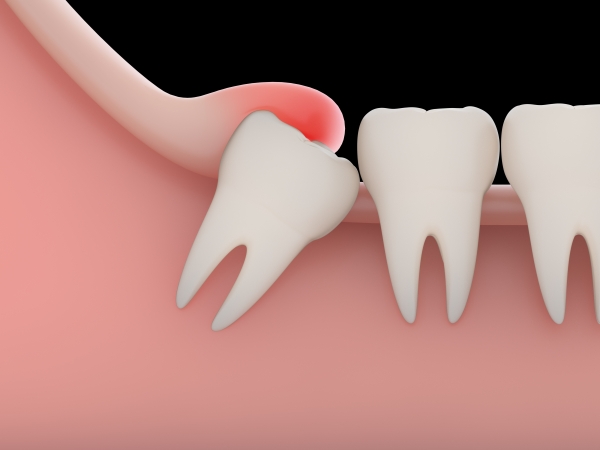
A wisdom tooth is considered impacted when it cannot fully emerge into its normal position because it is blocked by bone, gum tissue, or neighboring teeth.
There are several types of impaction, including:
Soft tissue impaction: The tooth has partially emerged but remains covered by gum tissue.
Partial bony impaction: Part of the tooth remains trapped within the jawbone.
Complete bony impaction: The tooth is completely enclosed within the jawbone.
Wisdom teeth may also grow at unusual angles, including:
Toward the neighboring tooth
Away from the adjacent tooth
Horizontally
Vertically without enough space to erupt
The position of the tooth often determines whether symptoms develop.
Modern human jaws are generally smaller than those of our ancestors, leaving less room for the final molars.
Other factors that may contribute include:
Genetics
Jaw size and shape
Tooth size
Delayed eruption
Crowded teeth
Not everyone develops impacted wisdom teeth, but they are very common.
One of the earliest and most common symptoms is discomfort near the back of the jaw where the wisdom tooth is trying to erupt.
You may notice:
Dull aching pain
Sharp pain while chewing
Tender gums
Pain that comes and goes
Discomfort when opening your mouth
Pain may gradually worsen if inflammation or infection develops.
Although occasional discomfort during tooth eruption can be normal, persistent or worsening pain should be evaluated by a dentist.
A partially erupted wisdom tooth creates a small flap of gum tissue where food particles and bacteria can become trapped.
This may lead to inflammation known as pericoronitis.
Symptoms can include:
Swollen gums
Redness
Tenderness
Bleeding during brushing
Bad taste in the mouth
If left untreated, the infection may spread and become more painful.
Good oral hygiene is important, but professional dental treatment may be necessary if symptoms persist.
Inflammation around an impacted wisdom tooth may affect nearby muscles and tissues.
Some people experience:
Jaw stiffness
Pain while chewing
Difficulty opening the mouth fully
Discomfort when talking
In severe cases, swelling may temporarily limit jaw movement.
Persistent jaw stiffness should be assessed by a dental professional.
Food debris and bacteria trapped around a partially erupted wisdom tooth can contribute to:
Persistent bad breath
A foul taste in the mouth
Recurrent gum infections
Even with good brushing habits, these symptoms may continue if the impacted tooth cannot be cleaned properly.
A dentist can determine whether the wisdom tooth is contributing to these problems.
As inflammation worsens, swelling may extend beyond the gums.
You might notice:
Puffy cheeks
Swelling near the jawline
Tenderness when touching the face
Mild facial asymmetry
Facial swelling accompanied by severe pain, fever, difficulty swallowing, or difficulty breathing requires immediate medical attention because it may indicate a spreading infection.
:format(webp)/rang_khon_moc_lech_1_0462c933aa.jpg)
Pain from an impacted wisdom tooth does not always stay in one location.
Because of shared nerve pathways, discomfort may radiate to nearby areas, causing:
Ear pain
Headaches
Pain along the jaw
Neck discomfort
Soreness in nearby teeth
These symptoms can sometimes be mistaken for sinus problems, temporomandibular joint (TMJ) disorders, or muscle tension.
A dental examination can help identify the underlying cause.
Yes.
Some impacted wisdom teeth cause no symptoms at all but may still contribute to complications over time.
Potential problems include:
Tooth decay
Gum disease
Damage to neighboring teeth
Cysts
Bone damage
Crowding in certain cases
Regular dental checkups and X-rays help identify these issues before they become more serious.
Diagnosis typically involves:
Your dentist will inspect the gums, evaluate your symptoms, and assess the position of your wisdom teeth.
Panoramic X-rays are commonly used to show:
Tooth position
Angle of eruption
Relationship to nearby teeth
Bone involvement
Proximity to important nerves
In more complex cases, a three-dimensional CBCT scan may be recommended.
Treatment depends on your symptoms, the position of the tooth, and whether complications are present.
If the tooth is healthy, fully covered by bone, and not causing problems, your dentist may recommend regular monitoring.
For mild gum inflammation, treatment may include:
Careful brushing
Flossing
Warm saltwater rinses
Professional dental cleaning
If infection or significant inflammation is present, your dentist may recommend medications such as pain relievers or, when appropriate, antibiotics.
Antibiotics should only be taken when prescribed by a healthcare professional.
Extraction is often recommended when an impacted wisdom tooth causes:
Repeated infections
Significant pain
Damage to nearby teeth
Tooth decay
Gum disease
Cysts or other complications
The procedure is commonly performed under local anesthesia, sedation, or general anesthesia depending on the complexity of the case and the patient's needs.
Whether you are monitoring an impacted wisdom tooth or recovering after extraction, good oral hygiene is essential.
Healthy habits include:
Brushing twice daily with fluoride toothpaste
Flossing every day
Using an antimicrobial mouth rinse if recommended
Limiting sugary foods and drinks
Attending regular dental checkups
Following your dentist's post-procedure instructions carefully
After wisdom tooth removal, your dentist may also advise:
Eating soft foods for the first few days
Avoiding smoking and vaping during healing
Drinking plenty of fluids
Avoiding drinking through a straw initially, as this may increase the risk of a painful condition known as dry socket
Contact a dentist promptly if you experience:
Persistent or worsening pain
Swollen or bleeding gums
Difficulty chewing
Bad breath that does not improve
Jaw stiffness
Swelling around the jaw
Seek urgent medical or dental care immediately if you develop:
Fever
Rapidly increasing facial swelling
Difficulty swallowing
Difficulty breathing
Severe, uncontrolled pain
These symptoms may indicate a serious infection that requires prompt treatment.
Unfortunately, impacted wisdom teeth cannot usually be prevented because jaw size and tooth development are largely determined by genetics.
However, regular dental examinations allow dentists to monitor wisdom teeth before they cause significant problems.
Early evaluation often provides more treatment options and may reduce the risk of complications.

Impacted wisdom teeth are a common dental condition, particularly among young adults. While some never cause symptoms, others can lead to pain, swollen gums, jaw stiffness, bad breath, facial swelling, or pain that radiates to the head and ears. Recognizing these warning signs early and scheduling a dental evaluation can help prevent infections, damage to nearby teeth, and other complications.
If you suspect an impacted wisdom tooth, don't ignore persistent discomfort or rely solely on home remedies. A dentist can determine whether observation, professional treatment, or removal is the most appropriate option based on your individual situation. With timely care and good oral hygiene, most people recover well and maintain a healthy, comfortable smile for years to come.
Discover 11 Time-Honored Honey Remedies for Everyday Wellness

Want More Iron in Your Diet? These Heart-Healthy Vegetables Are Worth Adding

Understanding Kidney Disease: 6 Foot Symptoms That Shouldn't Be Ignored
Onions, Uric Acid, and Stroke Prevention: What Research Says

Nuts and Your Health: What Research Says About Their Benefits and Potential Risks

Smart bedtime drink choices may support better heart and vascular health.

🧠 What Does Eating Peanuts Really Do to Your Body? Here’s What Experts Want You to Know

🌙 You Wake Up at 3 or 4 A.M. for a Reason — But It May Not Be What You Think…

👀 What You Pour Down the Kitchen Sink Matters More Than You Think…

Before You Reach for Ginger, Check These 5 Health Conditions First

Persistent vomiting in children should never be ignored or self-treated.

A daily avocado may offer surprising health benefits when eaten wisely.

Your Swollen Feet Could Be Missing These 5 Essential Nutrients

Some morning symptoms deserve attention, but they are not cancer-specific.

❤️ These Everyday Foods Can Help Support Healthy Arteries — Here’s What to Add to Your Meals

⚠️🍌 Do You Eat Bananas Before Sleeping? Here’s What Health Experts Say… See More 👇

😰 If You Notice These Changes in Your Hands, It May Be Time to Pay Attention to Your Health
Doctors Warn This “Bitter Vegetable” May Be More Toxic Than Arsenic If Eaten Incorrectly

Think Twice Before Serving Tilapia to Your Family. The Reason Behind It Is Shocking
Discover 11 Time-Honored Honey Remedies for Everyday Wellness

Air Conditioner Fan Speed: Is High or Low the Better Choice?
Want More Iron in Your Diet? These Heart-Healthy Vegetables Are Worth Adding
Understanding Kidney Disease: 6 Foot Symptoms That Shouldn't Be Ignored

A Step-by-Step Guide to Treating Mold and Peeling Paint on Walls
Onions, Uric Acid, and Stroke Prevention: What Research Says
Nuts and Your Health: What Research Says About Their Benefits and Potential Risks
Smart bedtime drink choices may support better heart and vascular health.
🧠 What Does Eating Peanuts Really Do to Your Body? Here’s What Experts Want You to Know
🌙 You Wake Up at 3 or 4 A.M. for a Reason — But It May Not Be What You Think…
👀 What You Pour Down the Kitchen Sink Matters More Than You Think…

⚠️ If You Do This After Cooking, You Could Be Shortening the Life of Your Pipes…
Before You Reach for Ginger, Check These 5 Health Conditions First
Persistent vomiting in children should never be ignored or self-treated.
A daily avocado may offer surprising health benefits when eaten wisely.
Your Swollen Feet Could Be Missing These 5 Essential Nutrients

That decorative cloth serves more than just an attractive hotel room design.
Some morning symptoms deserve attention, but they are not cancer-specific.
❤️ These Everyday Foods Can Help Support Healthy Arteries — Here’s What to Add to Your Meals