🎀 1 Year Before Breast Cancer? Your Body May Show Changes You Shouldn’t Ignore
Breast cancer does not always begin with a noticeable lump.
In fact, early breast cancer often causes no symptoms at all, which is one reason regular screening and knowing what is normal for your breasts are so important. However, some women may notice changes in their breasts or nipples before a diagnosis. These changes are not necessarily cancer—but they deserve attention, especially when they are new or persistent.
So, what should you watch for?
1. A new lump or thickened area

A new lump in the breast or underarm is one of the most recognized warning signs.
But don't panic if you find one. Most breast lumps are not cancer. Benign conditions such as cysts and fibrocystic breast changes can also cause lumps or tenderness. Still, a new or unusual lump should be evaluated by a healthcare professional.
2. A change in breast size or shape
Pay attention if one breast suddenly looks different from how it normally does.
A noticeable change in size, shape, or contour can sometimes be associated with breast cancer. It may occur with or without a clearly felt lump.
3. Skin changes that are easy to overlook
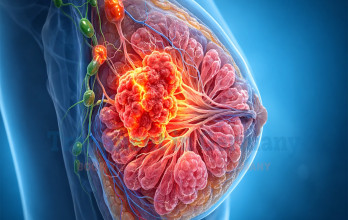
Your skin may provide another clue.
Possible concerning changes include:
- Dimpling or puckering
- Persistent redness
- Thickened skin
- Scaling or flaking
- Swelling
- Skin that develops an “orange-peel” appearance
These changes can also have causes unrelated to cancer, but persistent or unexplained changes should be checked.
4. Changes in the nipple
The nipple may change in appearance or position.
Watch for a nipple that suddenly turns inward, becomes flattened, or changes direction. Nipple discharge that is not breast milk—particularly spontaneous or bloody discharge—also deserves medical evaluation.
5. Unusual swelling
Sometimes part or even all of a breast can become swollen without an obvious lump.
According to the CDC and National Cancer Institute, swelling or thickening of part of the breast can be among the possible signs of breast cancer.
6. Persistent breast or nipple discomfort
Breast pain is not usually the main symptom of breast cancer, and many noncancerous conditions can cause breast soreness.
However, persistent or unusual pain should not simply be ignored. If discomfort continues or is accompanied by another breast change, talk with a healthcare professional.
7. Swollen lymph nodes near the armpit
A lump or swelling under the arm or near the collarbone can sometimes be associated with breast cancer.
It can occasionally occur even when a breast tumor is not large enough to be felt. However, swollen lymph nodes also have many other possible causes, including infections.
🚨 The important message: don't wait for a lump
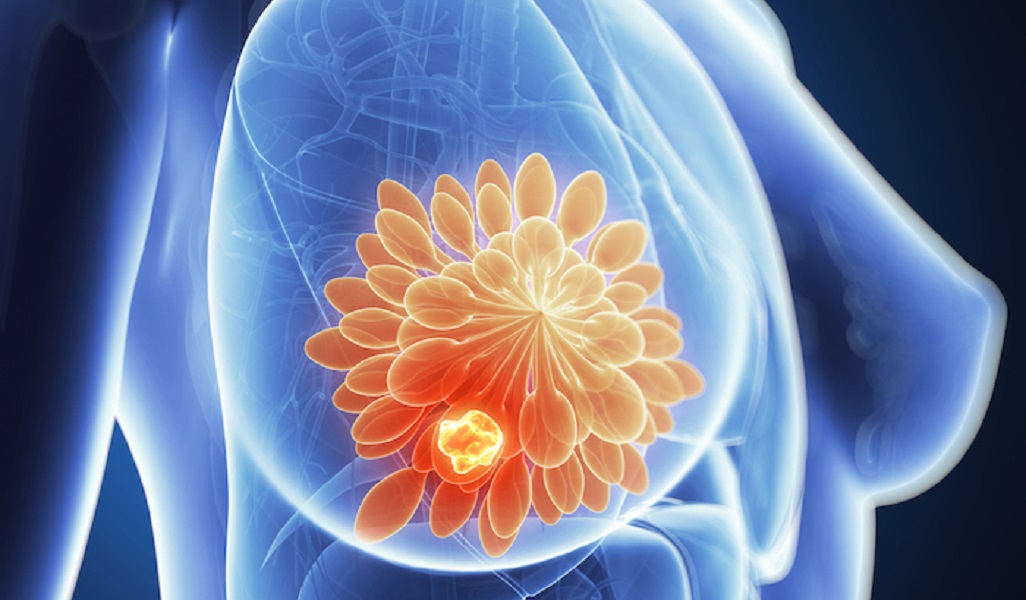
One of the biggest misconceptions about breast cancer is that you need to feel a lump before something is wrong.
That's not necessarily true.
Some breast cancers produce no obvious symptoms in their early stages. Mammograms and other recommended screening tests can sometimes detect breast cancer before a person notices a change or feels a lump.
That's why it's important to know how your breasts normally look and feel.
If you notice a new, unusual, or persistent change, don't try to diagnose yourself based on an internet post. Make an appointment with a healthcare professional for an appropriate evaluation—even if you recently had a normal mammogram.
🎀 Remember
A breast change does not automatically mean cancer. Most breast changes are caused by noncancerous conditions. But the only way to know what's causing a new or persistent change is to have it evaluated when appropriate.
Early detection matters. Knowing your body, paying attention to changes, and following recommended breast cancer screening can all play an important role in protecting your health.
Sources: National Cancer Institute (NCI), Centers for Disease Control and Prevention (CDC), American Cancer Society (ACS).