The Secret Behind Her Long Life? Four Vegetables She Never Stopped Eating
Simple vegetables, daily habits, and balance may support healthy aging.
⏱️ 1 min read 15/08/2026 18:02
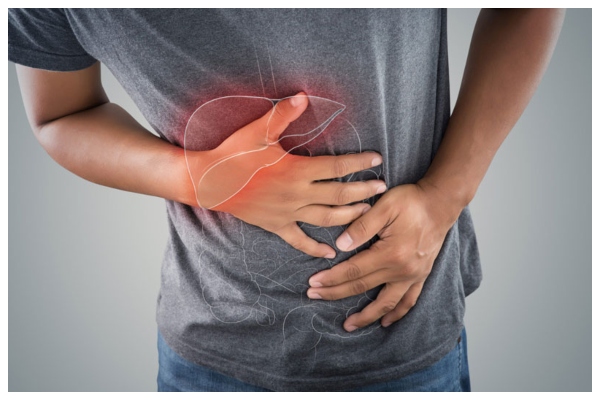
Your liver is one of the body's hardest-working organs. It helps process nutrients, produces bile for digestion, stores energy, supports metabolism, and helps process many substances that enter your body.
The interesting thing is that your liver can continue working even when it is under stress. Some liver conditions may develop gradually without causing obvious symptoms in the early stages.
That means the habits you repeat every day can matter more than you realize.
What you eat, what you drink, how active you are, how you manage your weight, and even how you use medications and supplements can all play a role in your long-term liver health.
The good news is that many liver-supportive habits are surprisingly simple.
Here are some everyday habits worth paying attention to.
Alcohol is one of the most obvious lifestyle factors that can affect the liver.
Your liver is responsible for processing alcohol, but repeated or excessive alcohol consumption can place significant stress on liver cells.
Over time, heavy alcohol use may contribute to:
Fat accumulation in the liver
Liver inflammation
Scarring
Cirrhosis
Reduced liver function
The risk can vary from person to person.
Factors such as genetics, body weight, existing liver conditions, medications, and drinking patterns can all make a difference.
If you already have liver disease, your healthcare professional may recommend avoiding alcohol completely.
If you're concerned about your liver, reducing alcohol consumption is one of the most meaningful lifestyle changes you can make.
A sweet drink may not seem like a major problem.
But when consumed regularly, sugary beverages can add a surprisingly large amount of sugar and calories to your diet.
Common examples include:
Soft drinks
Sweetened tea
Energy drinks
Flavored coffees
Sweetened fruit drinks
Some sports drinks
The problem is that liquid calories often don't make you feel as full as solid food.
You can drink a large amount of sugar without realizing how much you've consumed.
Over time, excessive sugar intake can contribute to weight gain and metabolic problems, which are associated with fatty liver disease.
A simple change can be replacing some sugary beverages with:
Water
Unsweetened tea
Sparkling water
Coffee with little or no added sugar
You don't need to eliminate every sweet drink forever.
The goal is to make them an occasional choice rather than a daily habit.
Modern diets can contain large amounts of highly processed foods.
These may include:
Fast food
Packaged snacks
Processed meats
Sugary cereals
Cookies
Cakes
Fried foods
Highly refined convenience meals
Many of these foods are high in calories, refined carbohydrates, saturated fat, sodium, or added sugar.
Eating them occasionally isn't necessarily a problem.
The concern is when they become the foundation of your diet.
Instead, try making whole or minimally processed foods the majority of your meals.
Think:
Vegetables + fruit + whole grains + beans + lean protein + healthy fats.
Your liver doesn't need a fancy "detox food."
It needs a healthy overall environment.
Even nutritious foods can contribute to excessive calorie intake when portions are consistently too large.
Over time, excess calorie intake can contribute to weight gain and metabolic problems.
Excess body fat, particularly around the abdomen, is associated with an increased risk of fatty liver disease.
You don't necessarily need to count every calorie.
Instead, try simple strategies such as:
Eating more slowly
Using smaller plates
Serving reasonable portions
Eating until comfortably satisfied rather than completely full
Adding more vegetables to meals
Avoiding oversized portions at restaurants
Small changes in portion size can become meaningful over time.
You might exercise occasionally but still spend most of the day sitting.
For example:
8 hours at a desk + 1 hour watching television + several hours on your phone
can add up to a very sedentary lifestyle.
Too little physical activity can contribute to:
Weight gain
Insulin resistance
Poor metabolic health
Increased risk of fatty liver disease
You don't need to become an athlete.
Walking regularly can be a great starting point.
Other options include:
Cycling
Swimming
Dancing
Hiking
Strength training
Recreational sports
The important thing is to move consistently.
Body weight isn't the only measure of health, but carrying excess body fat can increase the risk of metabolic conditions that affect the liver.
This is particularly relevant when excess weight occurs alongside:
High blood sugar
High triglycerides
High blood pressure
Insulin resistance
Abdominal obesity
If you're carrying excess weight and have fatty liver disease, gradual weight loss can help reduce liver fat and may improve other aspects of liver health.
However, extreme dieting isn't the answer.
Slow and sustainable changes are generally more practical than crash diets.
The internet is full of products promising to "cleanse" or "detox" the liver.
You may see claims involving:
Detox teas
Juice cleanses
Herbal mixtures
Fasting programs
Liver cleanse powders
Special supplements
These claims can sound convincing.
But your liver already has its own sophisticated systems for processing substances and supporting the body's metabolism.
You don't need to starve yourself or drink a special mixture to make your liver "flush toxins."
In fact, extreme diets can sometimes leave you short of essential nutrients.
A healthier approach is much simpler:
Eat well, move regularly, maintain a healthy weight, and limit substances that can harm the liver.
"Natural" doesn't always mean harmless.
Some herbal supplements and concentrated extracts can cause liver injury or interact with medications.
This is particularly important with products marketed for:
Weight loss
Muscle building
Detoxification
Energy
Sexual enhancement
"Liver cleansing"
Multi-ingredient supplements can be especially difficult to evaluate because you may not know exactly how every ingredient affects your body.
If you take prescription medication or have an existing liver condition, speak with a healthcare professional before adding supplements.
And never assume that a supplement is safe simply because it is sold without a prescription.
Medications can be extremely helpful, but taking too much of certain medicines can cause serious problems.
One common example is acetaminophen, also known as paracetamol in many countries.
Taking more than the recommended amount can cause severe liver injury.
Another issue is accidentally combining multiple products containing the same ingredient.
For example, someone may take a pain reliever and a cold medicine without realizing both contain acetaminophen.
Always:
Read the label
Follow the recommended dose
Avoid taking multiple products containing the same active ingredient
Ask a pharmacist if you're unsure
If you have liver disease, ask your healthcare professional before using new medications or supplements.
Sugar isn't automatically harmful.
The bigger concern is consistently consuming large amounts of added sugar, particularly through highly processed foods and sweetened beverages.
Excessive intake can contribute to:
Weight gain
Insulin resistance
Metabolic problems
Increased liver fat
Instead of worrying about every gram of sugar, start by reducing the biggest sources.
For example:
Sugary soda → water
Sweet dessert every night → fruit several nights per week
Sweetened coffee → less added sugar
You don't need to completely eliminate sweetness from your diet.
You simply want to reduce excessive added sugar.
Your liver benefits from an overall balanced dietary pattern.
Try building meals around foods such as:
Vegetables
Fruits
Whole grains
Beans
Lentils
Nuts
Seeds
Fish
Eggs
Lean meats
Unsweetened dairy products
These foods provide a wide variety of nutrients.
You don't need one special "liver food."
A varied diet is much more important than relying on a single ingredient.
Dietary fat isn't the enemy.
Your body needs fat for several important functions.
The type of fat matters.
Foods rich in unsaturated fats include:
Avocados
Nuts
Seeds
Olive oil
Fatty fish
Meanwhile, regularly consuming large amounts of saturated fat from certain processed and fried foods can contribute to an overall eating pattern that is less favorable for metabolic health.
Instead of eliminating fat completely, focus on choosing healthier sources more often.
Your liver and metabolic health are closely connected.
Insulin resistance and type 2 diabetes are associated with a higher risk of fatty liver disease.
If you have diabetes or prediabetes, managing blood glucose isn't only important for your heart, nerves, eyes, and kidneys.
It can also matter for your liver.
Healthy habits can include:
Regular physical activity
Balanced meals
Appropriate portion sizes
Maintaining a healthy weight
Following prescribed medication plans
Regular medical checkups
If you've been diagnosed with diabetes, work with your healthcare team rather than trying to manage it through internet remedies.
High triglycerides and abnormal cholesterol levels often occur alongside other metabolic problems.
These factors can be associated with fatty liver disease.
If blood tests show that your cholesterol or triglycerides are elevated, don't think of them as completely separate from liver health.
Improving your overall metabolic health can benefit multiple organs at the same time.
That may involve:
Improving your diet
Increasing physical activity
Managing weight
Reducing alcohol
Taking prescribed medication when appropriate
Smoking is associated with numerous health problems.
Although people often think about smoking primarily in relation to the lungs and heart, quitting is beneficial for your overall health and can form part of a healthier lifestyle.
If you smoke, you don't need to quit perfectly on the first attempt.
Many people require multiple attempts before quitting successfully.
Getting support can make the process easier.
Sleep doesn't directly "clean" your liver.
But poor sleep can influence many of the factors that affect metabolic health.
When you're consistently sleep-deprived, you may find it harder to:
Control appetite
Exercise
Maintain a healthy weight
Make balanced food choices
Manage stress
Try establishing a regular sleep schedule and creating a relaxing bedtime routine.
A healthier sleep pattern can support your overall health, including the metabolic factors connected to liver health.
Stress itself isn't necessarily damaging your liver in a direct way.
But chronic stress can influence your behavior.
For example, when you're stressed, you may be more likely to:
Eat highly processed foods
Drink alcohol
Sleep poorly
Stop exercising
Consume excessive caffeine
Skip regular meals
Managing stress can therefore indirectly support healthier habits.
Try activities such as:
Walking
Exercise
Meditation
Reading
Spending time outdoors
Socializing
Deep breathing
You don't need a complicated wellness routine.
Even a short daily break can help.
Not all liver problems are caused by diet or lifestyle.
Viral hepatitis can also cause liver inflammation and long-term damage.
Depending on your circumstances, prevention may include:
Appropriate vaccination
Medical testing
Safer sexual practices
Avoiding shared needles
Avoiding exposure to contaminated blood
Following treatment when an infection is diagnosed
This is an important reminder:
Healthy eating cannot prevent every form of liver disease.
Some liver conditions require medical testing and treatment.
One of the biggest misconceptions about liver health is that you will automatically feel pain if something is wrong.
That's not necessarily true.
Some liver conditions can develop with few or no obvious symptoms.
A person may feel relatively normal despite having changes in liver health.
That's why people with significant risk factors may need medical evaluation even if they feel fine.
Depending on the situation, healthcare professionals may use blood tests, imaging, and other evaluations.
Although some liver conditions are silent, symptoms can appear as liver disease progresses.
Possible warning signs include:
Yellowing of the skin or eyes
Dark urine
Persistent fatigue
Loss of appetite
Nausea
Abdominal swelling
Swelling in the legs
Persistent itching
Easy bruising
Unexplained weight changes
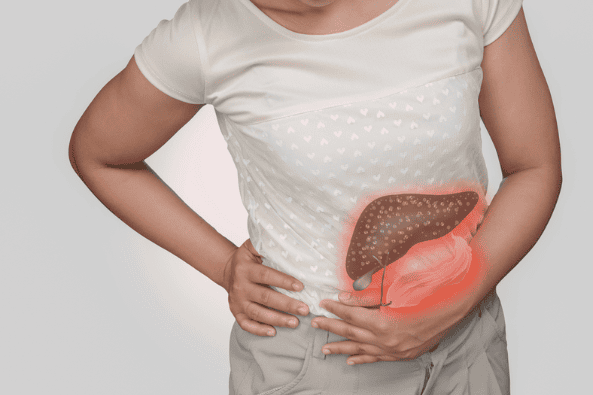
Discomfort in the upper-right abdomen
These symptoms can have many different causes.
They don't automatically mean you have liver disease.
But persistent or unexplained symptoms should be discussed with a healthcare professional.
You don't need a complicated routine.
Here's a simple example.
Start your day with water and a balanced breakfast.
For example:
Eggs + vegetables + whole-grain toast + fruit
Choose a meal containing:
Protein + vegetables + whole grains or another high-fiber carbohydrate
Instead of reaching for a sugary drink, try:
Water + fruit + a handful of nuts
Have a balanced dinner and avoid consistently eating very large portions.
Move regularly.
If you work at a desk, get up periodically and walk around.
Prioritize consistent sleep.
This routine isn't glamorous.
But that's exactly the point.
Long-term health usually comes from simple habits repeated consistently.
If you want to make changes without attempting an extreme detox, try this:
Replace at least one sugary beverage with water or unsweetened tea.
Include vegetables in at least two meals.
Take a dedicated walk or add extra movement to your day.
Replace one highly processed snack with fruit, yogurt, nuts, or another whole food.
Think honestly about how much and how often you drink.
Look at everything you're taking and ask whether each product is actually necessary.
Prepare a few simple meals or snacks so you're less likely to rely on fast food during a busy week.
The goal isn't perfection.
The goal is consistency.
Coffee is an interesting topic when it comes to liver health.
Research has associated regular coffee consumption with several potentially favorable liver outcomes.
However, coffee isn't a treatment for liver disease.
If you enjoy coffee, it can fit into a healthy lifestyle for many people.
The bigger issue may be what you add to it.
A coffee loaded with:
Sugar
Syrup
Whipped cream
Sweetened condensed milk
High-calorie toppings
can become a very different nutritional choice.
So enjoy your coffee, but pay attention to what goes into the cup.
Some people worry that fruit contains too much sugar.
Whole fruit is different from sugary beverages and many processed sweets.
Whole fruits provide:
Fiber
Water
Vitamins
Minerals
Plant compounds
Rather than avoiding fruit because it contains natural sugar, focus on eating a variety of whole fruits as part of a balanced diet.
The bigger concern is usually excessive added sugar and sugary beverages.
Intermittent fasting has become extremely popular.
For some people, structured eating patterns may help with calorie control and weight management.
But fasting isn't necessary for liver health.
If you have liver disease, diabetes, take certain medications, are pregnant, or have another medical condition, fasting may not be appropriate without professional guidance.
And extreme fasting is not a substitute for a balanced diet.
If you're overweight and have fatty liver disease, gradual weight loss may help reduce fat stored in the liver.
But crash diets aren't the answer.
Extreme calorie restriction, prolonged fasting, or rapid weight loss can create nutritional problems and may be counterproductive.
Instead, focus on sustainable changes:
Smaller portions
More vegetables
Adequate protein
Regular activity
Less added sugar
Less alcohol
Fewer highly processed foods
Think long-term rather than looking for overnight results.
This is perhaps the most important message.
You don't need to eat perfectly every day.
Eating a burger once doesn't suddenly damage your liver.
Having dessert doesn't mean you've "poisoned" your liver.
Drinking one sugary beverage doesn't create liver disease overnight.
Liver health is influenced by patterns over time.
What you repeatedly do for months and years matters much more than one meal.
So don't approach liver health with fear.
Approach it with consistency.
You may want to discuss liver health with a healthcare professional if you have risk factors such as:
Overweight or obesity
Type 2 diabetes
High triglycerides
Abnormal cholesterol
Metabolic syndrome
Heavy alcohol consumption
A history of viral hepatitis
Certain long-term medication use
A family history of liver disease
You should also seek medical advice if you develop unexplained symptoms such as:
Yellow skin or eyes
Persistent abdominal swelling
Dark urine
Significant unexplained fatigue
Unusual bleeding or bruising
Persistent upper-right abdominal discomfort
A healthcare professional can determine whether blood tests, imaging, or other evaluation is appropriate.
If you want to keep things simple, start here:
1. Drink more water.
2. Limit sugary beverages.
3. Eat more vegetables and whole foods.
4. Keep portions reasonable.
5. Stay physically active.
6. Maintain a healthy weight.
7. Limit or avoid alcohol, especially if you have liver disease.
8. Don't take unnecessary supplements.
9. Use medications according to recommended doses.
10. Get persistent or unexplained symptoms checked.
None of these habits is a magic solution.
Together, however, they can create a much healthier environment for your liver and your overall body.
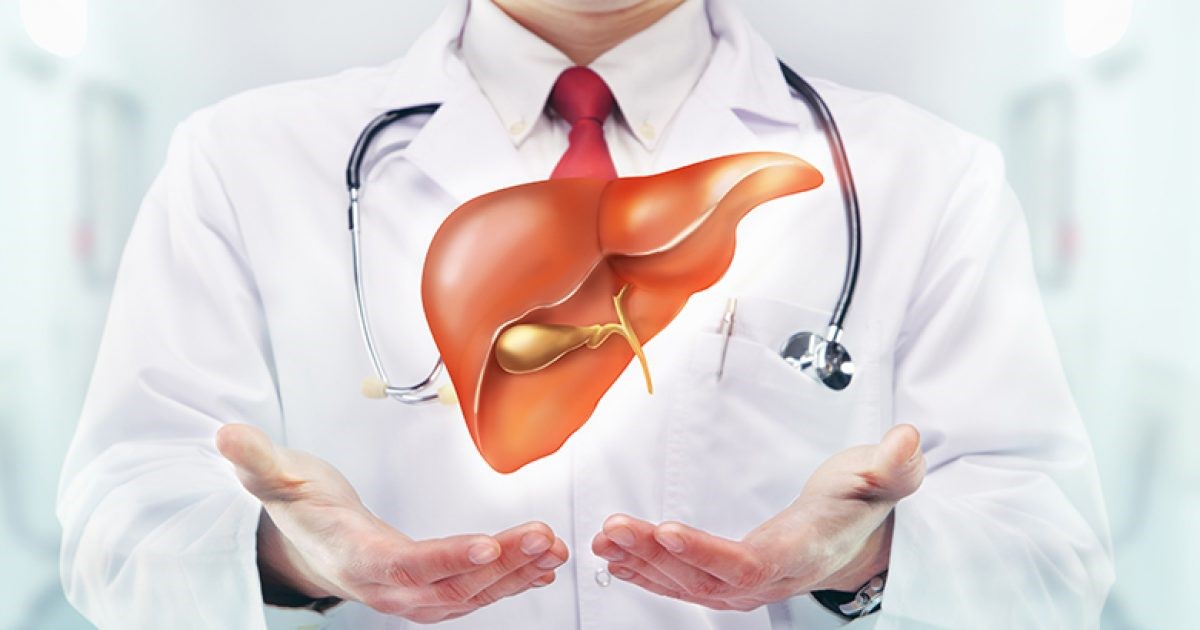
Your liver works continuously, even when you aren't thinking about it.
And while you can't control every cause of liver disease, many everyday behaviors can influence your long-term risk.
Habits worth reconsidering include:
Drinking alcohol frequently or excessively
Consuming sugary drinks regularly
Eating large amounts of ultra-processed food
Consistently overeating
Being physically inactive
Ignoring significant weight gain
Using unnecessary supplements
Taking medications incorrectly
Following extreme detox diets
Ignoring blood sugar, cholesterol, or triglyceride problems
Neglecting hepatitis prevention and medical care
The good news is that protecting your liver doesn't require an expensive detox program.
It starts with the basics:
Eat a balanced diet. Move your body. Maintain a healthy weight. Limit alcohol. Be careful with medications and supplements. And don't ignore persistent changes in your health.
Your liver doesn't need perfection.
It needs consistent support, day after day.
Simple vegetables, daily habits, and balance may support healthy aging.
Lab-grown teeth could transform the future of dental treatment.
Early kidney warning signs may appear long before serious damage occurs.
A simple sweet potato breakfast may offer surprising long-term benefits.
Tiny pumpkin seeds pack surprising nutrients and health benefits daily.
10 Things That May Happen When You Eat a Banana in the Morning
Could an Unnoticed Bacteria Be Affecting Your Stomach? What to Know About H. pylori
Why Eating Eggs Regularly May Be Good for Your Health?
Ginger Can Be Helpful, But It May Not Be Suitable for Everyone—Here’s Why
How Coconut Water May Affect Your Kidneys: What to Know

What Does One Banana a Day Really Do After 60? The Answer May Surprise You… 🍌

15 Breast Changes That May Be Linked to Breast Can.cer
More Visible Veins Than Usual? It May Be Completely Normal—or Worth Checking Out… See More
9 Subtle Symptoms of Kidney Can.cer That Can Be Easy to Overlook
Don't Ignore These Early Signs of Meningitis
Trying to Control Blood Sugar? Start With These Everyday Foods

A simple breakfast change helped improve energy levels, reduce hunger, and support healthier eating habits throughout the day.
Don't Ignore These 10 Possible Signs of Narrowed Arteries and Reduced Bl00d Flow...

Young Man in His 20s D.i.es of C.anc.er After Ignoring Two Nighttime Symptoms
Simple vegetables, daily habits, and balance may support healthy aging.
Stay cool all summer while keeping your energy costs under control.
Lab-grown teeth could transform the future of dental treatment.
Early kidney warning signs may appear long before serious damage occurs.
A simple sweet potato breakfast may offer surprising long-term benefits.
Watermelon peels hide surprising uses most people completely overlook.
Tiny pumpkin seeds pack surprising nutrients and health benefits daily.
10 Things That May Happen When You Eat a Banana in the Morning
Could an Unnoticed Bacteria Be Affecting Your Stomach? What to Know About H. pylori
Why Eating Eggs Regularly May Be Good for Your Health?
Ginger Can Be Helpful, But It May Not Be Suitable for Everyone—Here’s Why
How Coconut Water May Affect Your Kidneys: What to Know
What Does One Banana a Day Really Do After 60? The Answer May Surprise You… 🍌
These cockroaches appearing in your home could be a SIGN that you need to pay attention
15 Breast Changes That May Be Linked to Breast Can.cer
Food Safety Experts Say These Packaging Signs Should Never Be Ignored
More Visible Veins Than Usual? It May Be Completely Normal—or Worth Checking Out… See More
9 Subtle Symptoms of Kidney Can.cer That Can Be Easy to Overlook