Digestive discomfort is something almost everyone experiences from time to time. Occasional bloating after a large meal, mild indigestion, or a brief episode of stomach upset is usually not a cause for concern. In many cases, these symptoms resolve on their own with rest, hydration, or simple dietary adjustments.
However, persistent, worsening, or unusual digestive symptoms should never be ignored. While many stomach and digestive problems are caused by relatively minor conditions, some symptoms may signal ulcers, inflammatory bowel disease (IBD), gallbladder disease, pancreatitis, gastrointestinal bleeding, or even certain types of cancer.
Recognizing the difference between temporary digestive discomfort and symptoms that require medical attention can help ensure earlier diagnosis and more effective treatment.
Here are 8 digestive warning signs that deserve attention and may indicate it's time to see a healthcare professional.
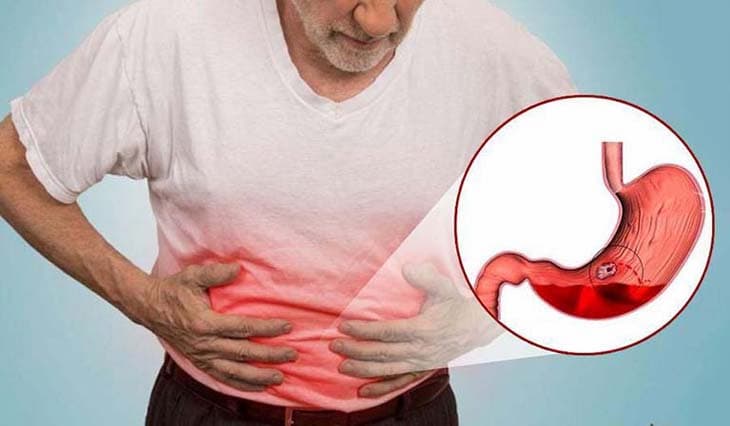
Understanding Your Digestive System
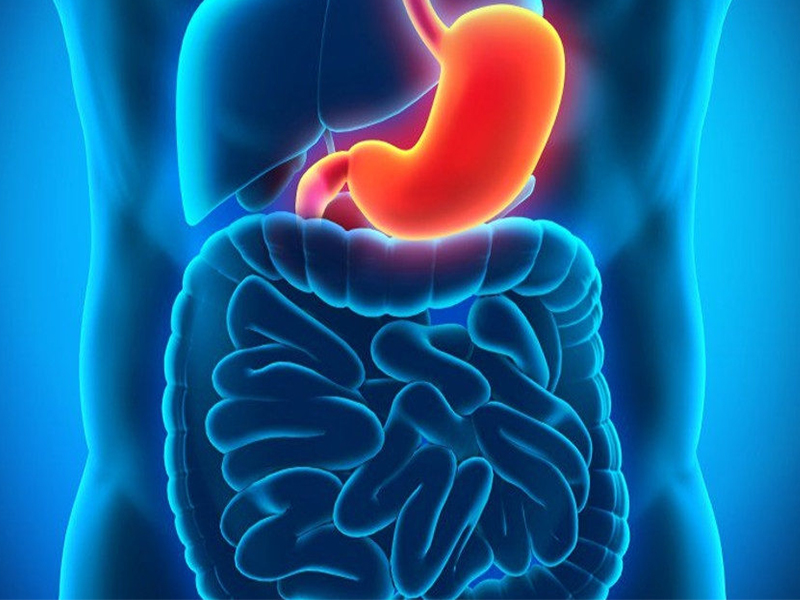
The digestive system includes many organs working together to break down food and absorb nutrients.
These include:
-
Mouth
-
Esophagus
-
Stomach
-
Small intestine
-
Large intestine (colon)
-
Liver
-
Gallbladder
-
Pancreas
Because so many organs are involved, digestive symptoms often have many possible causes.
Proper diagnosis is important before beginning treatment.
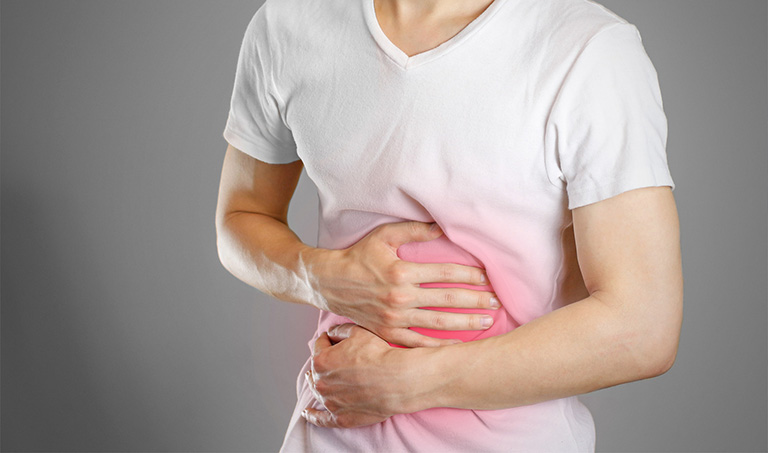
1. Persistent Abdominal Pain
Occasional stomach discomfort after eating is common.
However, persistent or severe abdominal pain should always be evaluated.
The pain may be:
-
Sharp
-
Dull
-
Burning
-
Cramping
-
Constant
-
Intermittent
Possible causes include:
-
Gastritis
-
Peptic ulcers
-
Gallstones
-
Pancreatitis
-
Irritable bowel syndrome (IBS)
-
Inflammatory bowel disease (IBD)
-
Appendicitis
-
Kidney stones
Pain lasting several days or recurring frequently warrants medical attention.
2. Unexplained Weight Loss
Losing weight without intentionally changing your diet or activity level is never something to ignore.
Possible digestive-related causes include:
-
Chronic inflammation
-
Malabsorption
-
Celiac disease
-
Chronic infections
-
Stomach ulcers
-
Pancreatic disease
-
Certain gastrointestinal cancers
Weight loss may also result from conditions unrelated to the digestive system, making a medical evaluation essential.
3. Difficulty Swallowing
Difficulty swallowing, also known as dysphagia, is not considered a normal part of aging.
You may notice:
-
Food getting stuck
-
Pain while swallowing
-
Frequent choking
-
Needing to drink excessive water to swallow food
Possible causes include:
-
Acid reflux causing esophageal narrowing
-
Esophageal inflammation
-
Esophageal motility disorders
-
Neurological conditions
-
Esophageal cancer
Persistent swallowing problems should be assessed promptly.
4. Blood in the Stool or Black, Tarry Stools
Blood anywhere in the digestive tract requires medical evaluation.
You may notice:
-
Bright red blood
-
Dark maroon stools
-
Black, tarry stools (melena)
Possible causes include:
-
Hemorrhoids
-
Anal fissures
-
Stomach ulcers
-
Diverticular disease
-
Inflammatory bowel disease
-
Colorectal cancer
Black, tarry stools may indicate bleeding from the upper digestive tract and require urgent medical assessment.
5. Persistent Vomiting or Nausea
Short-term nausea often occurs with viral infections or food poisoning.
However, ongoing vomiting or persistent nausea may suggest:
-
Stomach ulcers
-
Gallbladder disease
-
Pancreatitis
-
Gastric outlet obstruction
-
Pregnancy
-
Medication side effects
-
Neurological conditions
Persistent vomiting can lead to dehydration and electrolyte imbalances.
Medical evaluation is important if symptoms continue or worsen.
6. Ongoing Heartburn or Acid Reflux
Heartburn that occurs occasionally after a spicy meal is common.
However, symptoms occurring:
-
More than twice a week
-
Despite over-the-counter medications
-
For several weeks
may indicate gastroesophageal reflux disease (GERD).
Untreated GERD can sometimes lead to complications such as:
-
Esophagitis
-
Esophageal narrowing
-
Barrett's esophagus
Lifestyle changes and medical treatment can often improve symptoms.
7. Persistent Changes in Bowel Habits
Everyone's bowel habits vary.
However, sudden or long-lasting changes deserve attention.
Examples include:
-
Persistent diarrhea
-
Ongoing constipation
-
Alternating diarrhea and constipation
-
Narrow stools
-
Feeling unable to completely empty the bowel
Possible causes include:
-
Irritable bowel syndrome
-
Inflammatory bowel disease
-
Food intolerances
-
Infections
-
Colorectal cancer
Symptoms lasting more than a few weeks should be discussed with a healthcare provider.
8. Persistent Bloating With Early Fullness
Feeling bloated after a large meal is common.
However, ongoing bloating accompanied by early fullness may indicate:
-
Food intolerances
-
Gastritis
-
Peptic ulcers
-
Delayed stomach emptying (gastroparesis)
-
Ovarian conditions (in women)
-
Certain gastrointestinal disorders
Persistent bloating should not be ignored, especially if accompanied by weight loss or abdominal pain.
When Digestive Symptoms May Signal an Emergency
Some digestive symptoms require immediate medical care.
Seek emergency attention if you experience:
-
Severe abdominal pain
-
Vomiting blood
-
Black, tarry stools
-
Fainting
-
High fever with abdominal pain
-
Persistent vomiting with dehydration
-
Sudden inability to pass stool or gas with severe abdominal swelling
These symptoms may indicate a serious medical condition requiring urgent treatment.
Common Digestive Conditions
Many digestive symptoms are caused by conditions that can often be treated successfully.
Examples include:
Gastritis
Inflammation of the stomach lining.
Possible symptoms:
-
Burning pain
-
Nausea
-
Indigestion
Peptic Ulcers
Open sores in the stomach or upper small intestine.
Often associated with:
-
Helicobacter pylori infection
-
Long-term NSAID use
Irritable Bowel Syndrome (IBS)
A functional digestive disorder characterized by:
-
Abdominal pain
-
Bloating
-
Diarrhea
-
Constipation
IBS does not increase the risk of colorectal cancer but can significantly affect quality of life.
Inflammatory Bowel Disease (IBD)
Includes:
-
Crohn's disease
-
Ulcerative colitis
Unlike IBS, IBD causes chronic inflammation within the digestive tract.
Gallbladder Disease
Gallstones may cause:
-
Pain after fatty meals
-
Nausea
-
Vomiting
-
Pain beneath the right ribs
Risk Factors for Digestive Disease
Several factors increase the likelihood of digestive disorders.
These include:
-
Smoking
-
Heavy alcohol use
-
Obesity
-
Diets high in processed foods
-
Low fiber intake
-
Family history
-
Chronic stress
-
Long-term NSAID use
Addressing modifiable risk factors can improve digestive health.
Healthy Habits That Support Digestion
Eat More Fiber
Fiber supports:
-
Healthy bowel movements
-
Beneficial gut bacteria
-
Colon health
Sources include:
-
Fruits
-
Vegetables
-
Beans
-
Whole grains
-
Oats
Increase fiber gradually and drink enough water to reduce bloating.
Stay Hydrated
Adequate water intake supports:
-
Digestion
-
Bowel regularity
-
Nutrient absorption
Fluid needs vary depending on age, activity level, climate, and health conditions.
Exercise Regularly
Physical activity helps:
-
Stimulate normal bowel function
-
Maintain a healthy weight
-
Improve overall digestive health
Aim for regular movement most days of the week.
Avoid Smoking
Smoking increases the risk of several digestive conditions, including:
-
Peptic ulcers
-
Acid reflux
-
Crohn's disease
-
Certain digestive cancers
Quitting smoking benefits nearly every organ in the body.
Limit Alcohol
Excessive alcohol may irritate the digestive tract and contribute to:
-
Gastritis
-
Liver disease
-
Pancreatitis
Moderation is important.
Manage Stress
Stress does not directly cause ulcers in most cases, but it can worsen symptoms of conditions such as:
-
IBS
-
Functional dyspepsia
-
Acid reflux
Helpful stress-management strategies include:
-
Regular exercise
-
Meditation
-
Deep breathing
-
Adequate sleep
-
Spending time with supportive friends and family
The Importance of Screening
Some digestive diseases develop silently.
Depending on your age and risk factors, your healthcare provider may recommend:
-
Colorectal cancer screening
-
Endoscopy
-
Colonoscopy
-
Stool-based tests
Screening helps detect disease before symptoms appear.
Common Myths About Digestive Symptoms
Myth 1: Stomach Pain Is Always Caused by Indigestion
Many conditions—including appendicitis, gallstones, ulcers, and pancreatitis—can also cause abdominal pain.
Myth 2: Heartburn Is Harmless
Frequent reflux should be evaluated because chronic GERD may lead to complications if left untreated.
Myth 3: Blood in the Stool Is Always Caused by Hemorrhoids
Although hemorrhoids are common, bleeding should never be assumed to be harmless without proper medical evaluation.
Myth 4: Digestive Problems Only Affect Older Adults
Digestive disorders can occur at any age, including in children and young adults.
When Should You Schedule a Medical Appointment?
Arrange an appointment if you experience:
-
Persistent abdominal pain
-
Ongoing bloating
-
Recurrent vomiting
-
Difficulty swallowing
-
Changes in bowel habits lasting several weeks
-
Blood in the stool
-
Unexplained weight loss
-
Frequent heartburn
Early evaluation often leads to more effective treatment.
The Bottom Line
Digestive symptoms are common, and most are caused by conditions that are treatable or manageable. However, persistent abdominal pain, unexplained weight loss, difficulty swallowing, blood in the stool, ongoing vomiting, frequent acid reflux, lasting changes in bowel habits, and persistent bloating with early fullness are warning signs that should not be ignored.
These symptoms do not automatically mean you have a serious illness, but they do deserve medical evaluation to identify the underlying cause.
Final Thoughts
Your digestive system plays a vital role in nourishing every part of your body, and even subtle changes can provide important clues about your health. While occasional indigestion or bloating is usually harmless, symptoms that persist, worsen, or interfere with your daily life should prompt a conversation with a healthcare professional.
Maintaining a balanced diet rich in fruits, vegetables, whole grains, and lean protein, staying physically active, drinking enough water, limiting alcohol, avoiding smoking, and attending recommended health screenings are all practical ways to support long-term digestive health.
Remember that early evaluation is often the key to preventing complications and improving outcomes. If your digestive symptoms don't seem to be improving—or if you notice any of the warning signs discussed above - don't delay seeking medical advice. Your digestive system may be telling you that it's time for a closer look.