Early Warning Symptoms That Could Suggest Fatty Liver Problems 😨
Fatty liver disease is becoming increasingly common around the world, often developing quietly without obvious symptoms in the early stages. Many people may have liver fat buildup for years without realizing it — until the condition begins affecting overall health.
The good news is that early fatty liver problems can sometimes be improved through lifestyle changes if detected in time. Knowing the warning signs may help you pay closer attention to your body.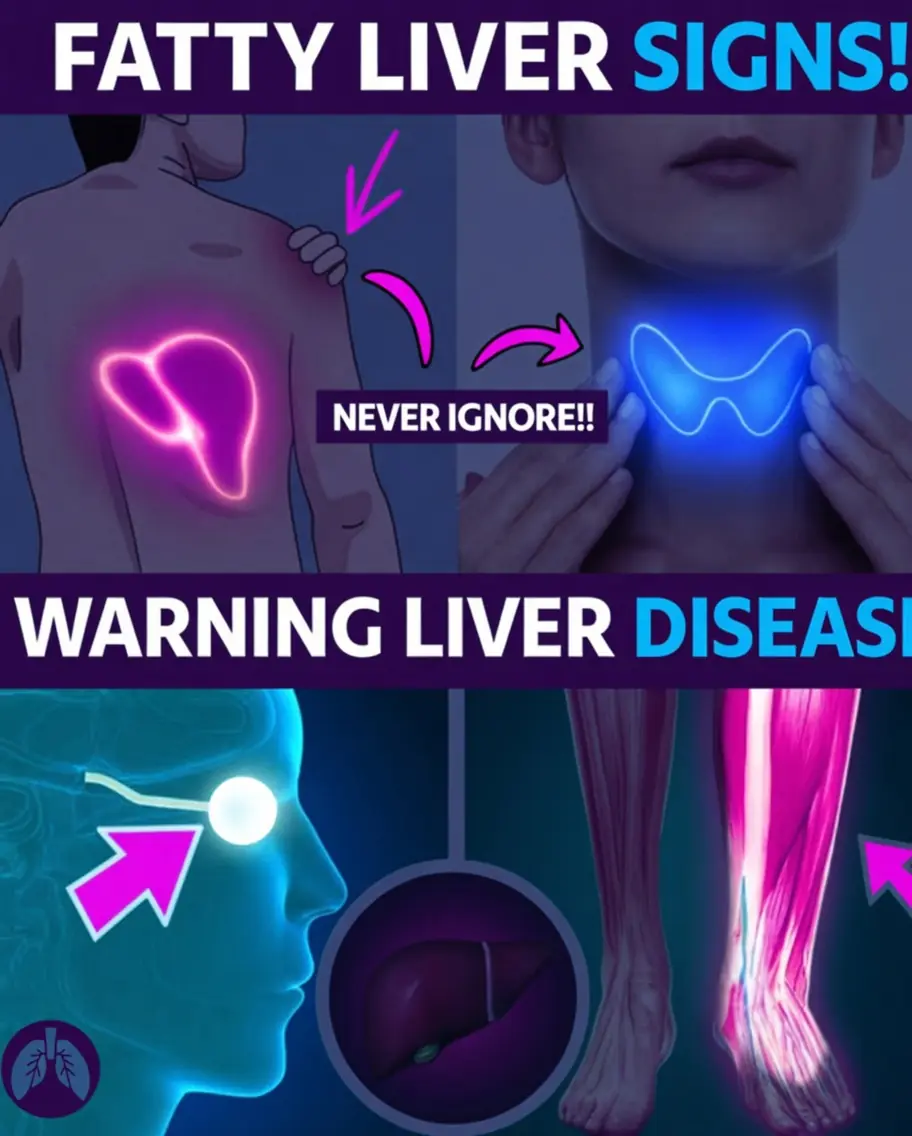
What Is Fatty Liver Disease?
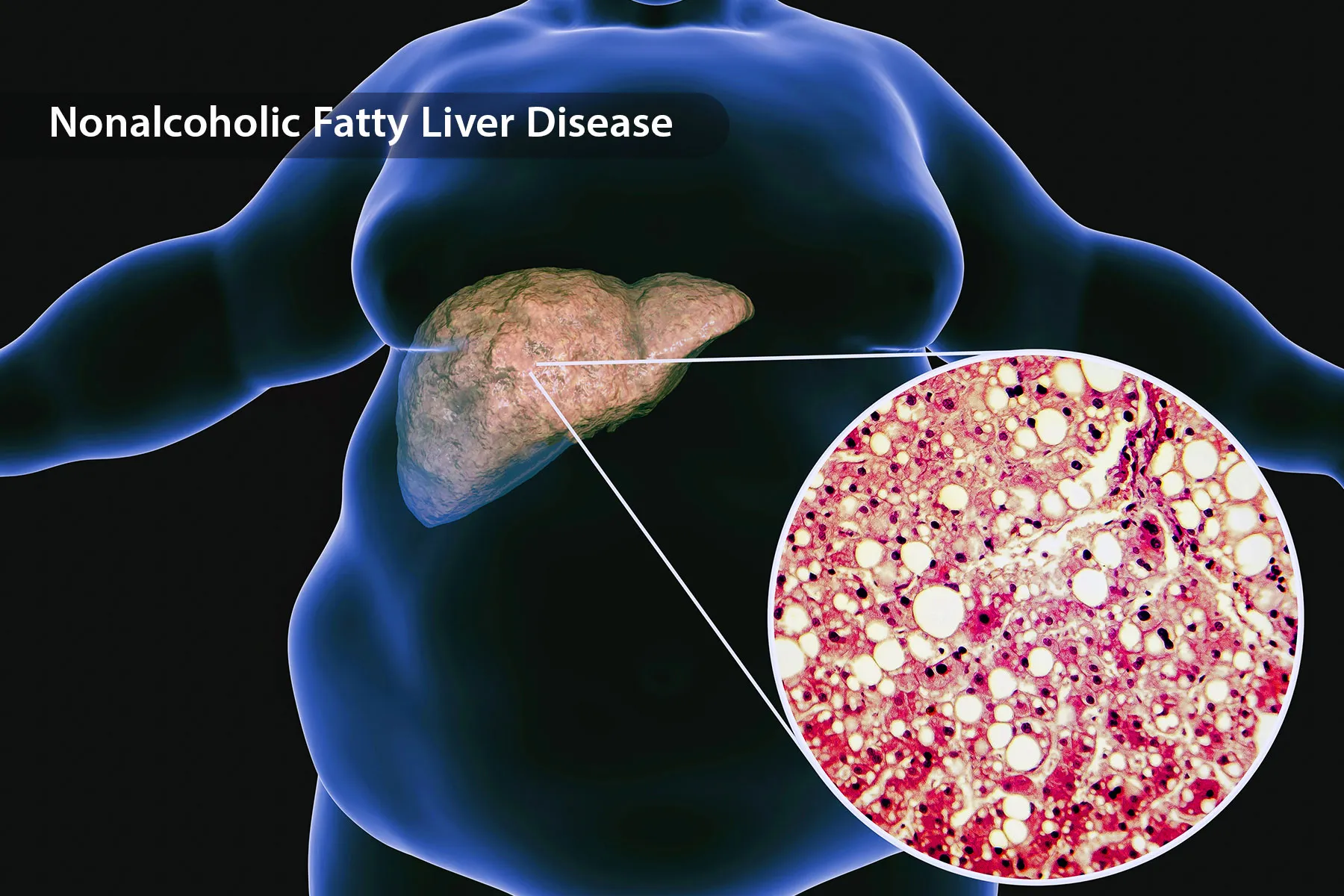
Fatty liver happens when excess fat accumulates inside liver cells. It is often linked to factors such as:
- Poor diet
- Obesity or excess belly fat
- Diabetes or insulin resistance
- High cholesterol
- Lack of physical activity
- Excessive alcohol consumption
There are two main types: alcoholic fatty liver disease and non-alcoholic fatty liver disease (NAFLD), which can affect even people who rarely drink alcohol.
Early Symptoms Many People Ignore
In the beginning, fatty liver disease may cause very mild symptoms — or none at all. However, some people notice subtle changes such as:
Persistent Fatigue
Feeling constantly tired or low on energy without a clear reason may be linked to liver stress and inflammation.
Discomfort in the Upper Right Abdomen
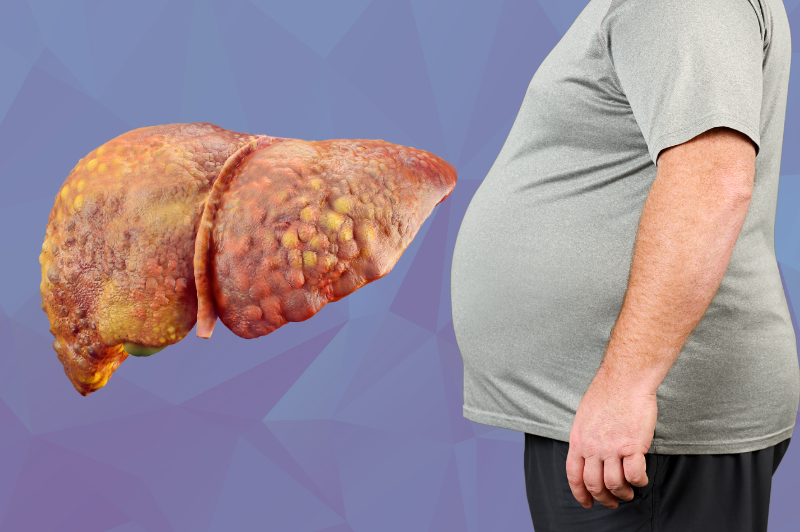
Some individuals experience mild pain, pressure, or fullness under the ribs on the right side where the liver is located.
Bloating and Digestive Issues
Frequent bloating, indigestion, or feeling heavy after meals may sometimes accompany liver problems.
Unexplained Weight Changes
Sudden weight gain around the abdomen or difficulty losing weight can be associated with metabolic changes linked to fatty liver.
Brain Fog and Poor Concentration
Some people report difficulty focusing, forgetfulness, or mental fatigue when liver health declines.
Dark Patches on the Skin
In certain cases, darker velvety patches around the neck or underarms may be connected to insulin resistance, a major risk factor for fatty liver disease.
Why Early Detection Matters
If left untreated, fatty liver disease can progress to inflammation, liver scarring (fibrosis), or even cirrhosis over time. Because symptoms can be vague, many cases are discovered during routine blood tests or ultrasounds.
That’s why doctors encourage paying attention to persistent symptoms and maintaining regular health checkups — especially if you have risk factors like obesity, diabetes, or high cholesterol.
Habits That May Help Protect Liver Health
Simple daily habits can make a major difference in supporting liver function:
- Eat more fruits, vegetables, and fiber-rich foods
- Reduce sugary drinks and heavily processed foods
- Exercise regularly
- Maintain a healthy weight
- Limit alcohol intake
- Stay hydrated
- Get enough sleep
Even modest weight loss may help reduce fat buildup in the liver for some individuals.
When to See a Doctor
If you frequently experience fatigue, abdominal discomfort, digestive problems, or other persistent symptoms, it’s important to consult a healthcare professional. Only proper medical testing can determine whether fatty liver or another condition may be involved.
Your liver works quietly every day to keep your body functioning properly — and sometimes small warning signs are worth paying attention to before bigger problems develop.