Your kidneys work around the clock to keep your body healthy. Although each kidney is only about the size of a fist, together they perform several vital functions, including filtering waste products from the blood, balancing fluids, regulating electrolytes, supporting healthy blood pressure, and producing hormones involved in red blood cell production and bone health.
Because the kidneys are so efficient, they can continue working even after losing a significant amount of function. As a result, early kidney disease often develops without noticeable symptoms. Many people do not realize they have a kidney problem until routine blood or urine tests reveal changes, or symptoms become more advanced.
Recognizing possible warning signs and knowing when to seek medical evaluation - can help support earlier diagnosis and treatment. It's important to remember that these symptoms do not necessarily mean you have kidney disease, as many other conditions can cause similar problems.
Here are 8 potential warning signs that may warrant medical attention.
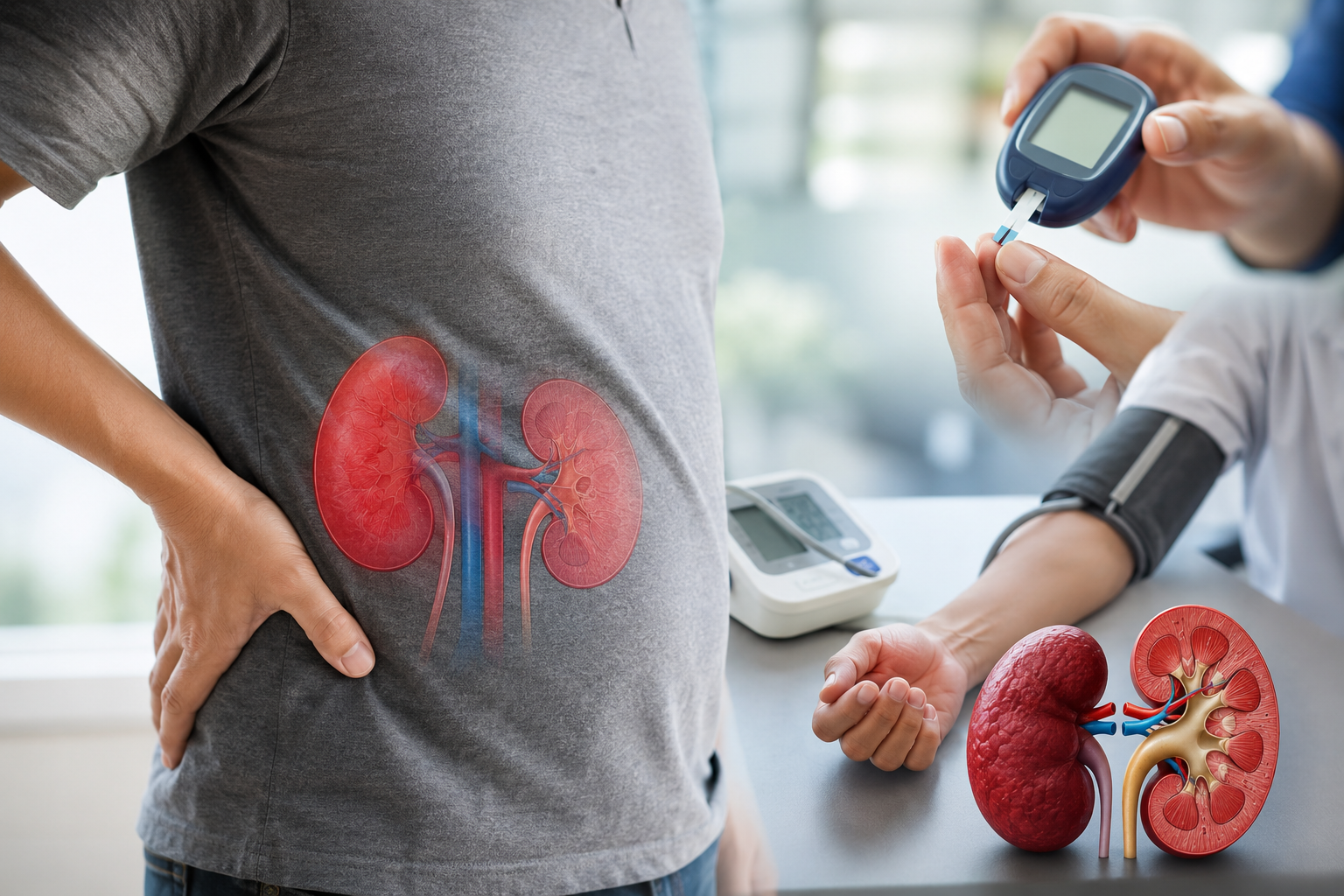
What Do the Kidneys Do?
Your kidneys perform many essential jobs every day.
They help:
-
Filter waste products from the bloodstream
-
Remove excess water through urine
-
Balance minerals such as sodium and potassium
-
Help regulate blood pressure
-
Support healthy red blood cell production
-
Activate vitamin D for bone health
-
Maintain the body's acid-base balance
When kidney function declines, these processes may become less efficient.
1. Changes in Urination
One of the earliest clues of kidney problems may involve changes in urination.
You may notice:
-
Urinating more often or less often than usual
-
Waking up frequently at night to urinate
-
Foamy or bubbly urine
-
Blood in the urine
-
Difficulty urinating
-
Changes in urine color
While these symptoms can also result from urinary tract infections, prostate conditions, dehydration, or other causes, they should not be ignored if they persist.
2. Swelling in the Feet, Ankles, or Around the Eyes
Healthy kidneys help remove excess salt and fluid from the body.
If kidney function decreases, fluid may accumulate, leading to swelling, particularly in:
-
Ankles
-
Feet
-
Legs
-
Hands
-
Eyelids
-
Around the eyes
Swelling may also be caused by heart disease, liver disease, certain medications, or problems with the veins or lymphatic system.
3. Persistent Fatigue or Weakness
When the kidneys are not functioning properly, waste products may build up in the bloodstream.
In addition, reduced production of the hormone erythropoietin may contribute to anemia, meaning the body produces fewer red blood cells.
This combination may lead to:
-
Fatigue
-
Weakness
-
Difficulty concentrating
-
Reduced exercise tolerance
These symptoms are common in many medical conditions, so proper evaluation is important.
4. Persistent Itching
People with advanced kidney disease sometimes experience widespread itching.
Researchers believe this may result from a combination of factors, including:
-
Waste buildup
-
Dry skin
-
Mineral imbalances
-
Changes in nerve function
Persistent itching without an obvious skin condition should be discussed with a healthcare provider, particularly if accompanied by other symptoms.

5. Loss of Appetite, Nausea, or Vomiting
As kidney function declines, waste products can accumulate in the blood.
Some individuals may experience:
-
Poor appetite
-
Nausea
-
Vomiting
-
Weight loss
-
An unpleasant metallic taste in the mouth
These symptoms usually occur in more advanced kidney disease but may also have many other causes.
6. High Blood Pressure That Is Difficult to Control
The kidneys play an important role in regulating blood pressure.
Interestingly:
-
High blood pressure can damage the kidneys.
-
Kidney disease can contribute to high blood pressure.
This creates a cycle in which each condition may worsen the other.
People with difficult-to-control hypertension may benefit from kidney function testing if recommended by their healthcare provider.
7. Shortness of Breath
Kidney disease may contribute to shortness of breath through several mechanisms.
Possible reasons include:
-
Fluid buildup in the lungs
-
Anemia
-
Heart-related complications associated with kidney disease
However, shortness of breath is a symptom with many possible causes, including heart disease, lung disease, infections, and anxiety.
Sudden or severe shortness of breath requires immediate medical attention.
8. Difficulty Concentrating or Feeling Mentally Foggy
When kidney function becomes significantly impaired, changes in blood chemistry and anemia may affect brain function.
Some people report:
-
Trouble concentrating
-
Poor memory
-
Reduced alertness
-
Feeling mentally "foggy"
These symptoms are not specific to kidney disease but may occur alongside other warning signs.
Who Is at Higher Risk of Kidney Disease?
Some individuals have a greater likelihood of developing kidney problems.
Risk factors include:
-
Diabetes
-
High blood pressure
-
Heart disease
-
Obesity
-
Smoking
-
Family history of kidney disease
-
Older age
-
Recurrent kidney infections
-
Long-term use of certain medications, such as some nonsteroidal anti-inflammatory drugs (NSAIDs)
If you have one or more of these risk factors, regular health checkups can help detect kidney problems early.
How Is Kidney Disease Diagnosed?
Because kidney disease often causes few symptoms early on, healthcare providers rely on laboratory testing.
Common tests include:
-
Blood tests to measure creatinine
-
Estimated glomerular filtration rate (eGFR)
-
Urinalysis
-
Urine albumin-to-creatinine ratio (ACR)
-
Blood pressure measurement
-
Kidney ultrasound when indicated
These tests help determine kidney function and identify possible underlying causes.
How Can You Support Kidney Health?
Many healthy lifestyle habits also benefit the kidneys.
Consider:
-
Managing blood pressure
-
Keeping diabetes well controlled
-
Drinking enough water unless otherwise advised
-
Eating a balanced diet rich in fruits, vegetables, and whole grains
-
Limiting excess sodium
-
Exercising regularly
-
Maintaining a healthy weight
-
Avoiding smoking
-
Taking medications only as directed
-
Attending regular medical checkups if you have risk factors
No single food, supplement, or detox product has been proven to prevent kidney disease.
When Should You See a Doctor?
Schedule a medical evaluation if you experience:
-
Persistent swelling
-
Blood in your urine
-
Ongoing changes in urination
-
Unexplained fatigue
-
Persistent nausea
-
High blood pressure that remains elevated
-
Symptoms lasting more than several days without improvement
Seek emergency medical care immediately if you experience:
-
Inability to urinate
-
Severe shortness of breath
-
Severe flank pain with fever
-
Confusion
-
Heavy bleeding in the urine
Common Myths About Kidney Disease
Myth: Kidney disease always causes pain.
Fact: Many people with early chronic kidney disease have no pain or noticeable symptoms.
Myth: If your urine looks normal, your kidneys must be healthy.
Fact: Kidney disease can develop silently, and laboratory tests are often needed to detect early changes.
Myth: Drinking excessive amounts of water prevents all kidney problems.
Fact: Staying hydrated is important, but excessive water intake does not prevent every form of kidney disease and may not be appropriate for everyone.
Myth: Herbal "kidney cleanses" can repair damaged kidneys.
Fact: There is no strong scientific evidence that detox products or herbal cleanses restore kidney function. Some supplements may even be harmful to the kidneys.
Myth: Kidney disease only affects older adults.
Fact: Although risk increases with age, kidney disease can occur in younger adults and even children, especially in the presence of diabetes, high blood pressure, genetic conditions, or autoimmune diseases.
The Bottom Line
Your kidneys perform essential functions that help maintain your body's overall balance, yet kidney disease often develops quietly with few or no symptoms in its early stages. Changes in urination, swelling, fatigue, persistent itching, nausea, high blood pressure, shortness of breath, and difficulty concentrating may all be possible warning signs, but none of these symptoms are specific to kidney disease alone.
If you notice persistent symptoms - especially if you have risk factors such as diabetes or high blood pressure it's important to seek medical evaluation. Simple blood and urine tests can often detect kidney problems before they become severe. Early diagnosis, appropriate treatment, and healthy lifestyle habits remain the most effective ways to protect kidney function and reduce the risk of long-term complications.