10 Ways Your Body Warns You About Kidney Disease (But You May Not Notice)
Your kidneys work around the clock to filter waste from your blood, remove excess fluid, balance electrolytes, regulate blood pressure, and support the production of red blood cells. Despite these vital roles, chronic kidney disease (CKD) often develops silently, with few or no symptoms in its early stages. Many people don't realize they have kidney disease until significant damage has already occurred.
The good news is that your body may provide subtle warning signs long before kidney disease becomes severe. While these symptoms can have many different causes, recognizing them early and seeking medical evaluation may help identify kidney problems before they progress.
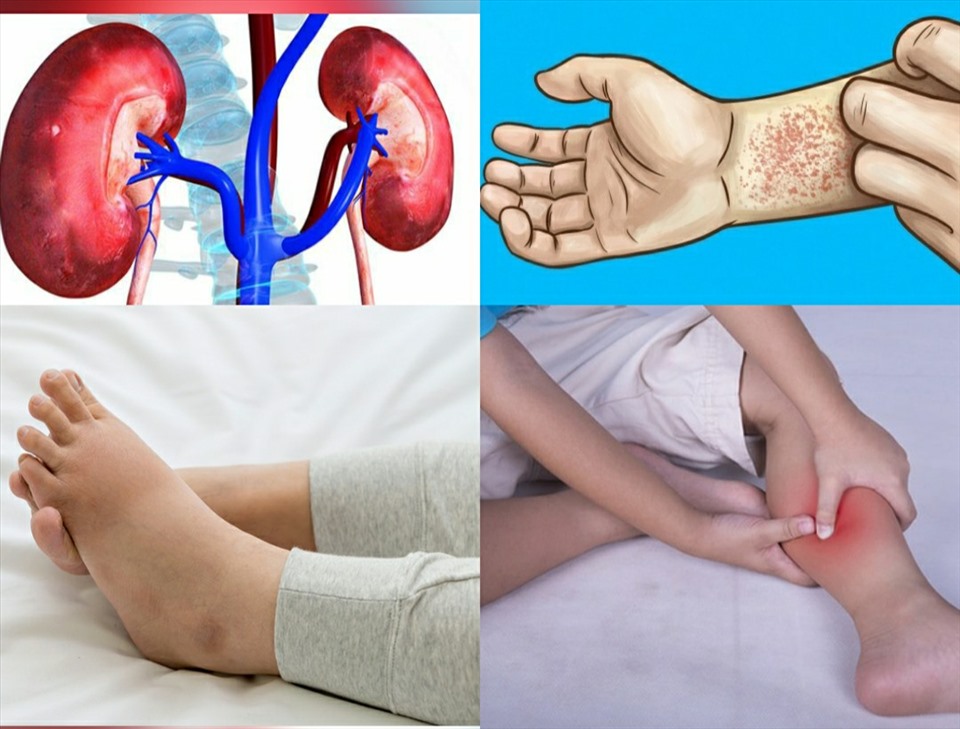
Here are 10 warning signs you should never ignore.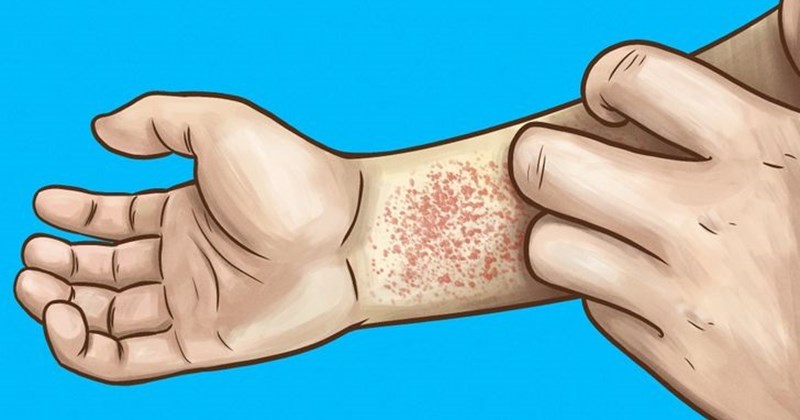
1. Changes in Urination
One of the earliest signs of kidney disease is a noticeable change in your urination habits.
You may experience:
- Urinating more often, especially at night
- Urinating less than usual
- Foamy or bubbly urine
- Dark-colored urine
- Difficulty urinating
Because your kidneys produce urine, persistent changes in its appearance or frequency should be discussed with a healthcare provider.
2. Swelling in Your Feet, Ankles, Hands, or Face
Healthy kidneys remove excess salt and fluid from the body.
When they don't function properly, fluid can build up, leading to swelling (edema), particularly in:
- Feet
- Ankles
- Lower legs
- Hands
- Around the eyes
You might notice tight shoes, sock marks, or puffiness around your eyes in the morning.
3. Persistent Fatigue and Weakness
Feeling exhausted all the time isn't always caused by stress or poor sleep.
Damaged kidneys produce less erythropoietin (EPO), a hormone that stimulates red blood cell production. Lower red blood cell levels can lead to anemia, reducing oxygen delivery throughout the body.
Symptoms may include:
- Constant tiredness
- Weakness
- Low energy
- Difficulty concentrating
4. Foamy or Bubbly Urine
Urine that consistently appears foamy or bubbly may indicate proteinuria, or excess protein in the urine.
Healthy kidneys normally prevent protein from leaking into urine. Damaged kidney filters may allow protein to pass through, making the urine appear unusually foamy.
Occasional bubbles are usually harmless, but persistent foamy urine should be evaluated.
5. Blood in the Urine
Blood in the urine (hematuria) is never considered normal.
It may appear:
- Pink
- Red
- Brown
- Tea-colored
Although blood in the urine can result from kidney stones, urinary tract infections, or other conditions, it may also be an early sign of kidney disease and warrants prompt medical evaluation.
6. Loss of Appetite or a Metallic Taste
As kidney function declines, waste products can accumulate in the bloodstream.
This buildup may cause:
- Poor appetite
- Food tasting metallic
- Bad breath
- Feeling full quickly
- Mild nausea
Persistent appetite changes without another clear explanation should not be ignored.
7. Dry, Itchy Skin
Your kidneys help maintain the proper balance of minerals and nutrients in your body.
When they aren't working efficiently, mineral imbalances and waste buildup may contribute to:
- Dry skin
- Persistent itching
- Rough or flaky skin
While dry skin is common and often harmless, ongoing itching without an obvious cause can sometimes be associated with advanced kidney disease.
8. Muscle Cramps
Frequent muscle cramps—especially in the legs—may occur when kidney disease disrupts the balance of electrolytes such as calcium, potassium, and phosphorus.
Although muscle cramps have many possible causes, recurring cramps may deserve further evaluation if accompanied by other kidney-related symptoms.
9. Trouble Sleeping
Many people with chronic kidney disease report sleep problems.
Possible reasons include:
- Waste buildup in the bloodstream
- Restless legs syndrome
- Sleep apnea
- Frequent nighttime urination
Poor sleep can further contribute to daytime fatigue and reduced quality of life.
10. Puffy Eyes
Persistent puffiness around the eyes—particularly in the morning—may indicate protein leakage caused by damaged kidney filters.
While allergies and lack of sleep are common causes, ongoing puffiness together with foamy urine or swelling elsewhere in the body may suggest kidney dysfunction.
Who Is Most at Risk?
Anyone can develop kidney disease, but the risk is higher if you have:
- Diabetes
- High blood pressure
- Heart disease
- Obesity
- A family history of kidney disease
- Age over 60
- Smoking history
People with these risk factors should discuss routine kidney screening with their healthcare provider.
How to Help Protect Your Kidneys
Healthy habits can reduce the risk of chronic kidney disease and slow its progression:
- Keep blood pressure under control.
- Manage blood sugar if you have diabetes.
- Stay physically active.
- Eat a balanced diet rich in fruits, vegetables, and whole grains.
- Limit sodium and ultra-processed foods.
- Stay well hydrated.
- Avoid smoking.
- Limit excessive alcohol intake.
- Use pain medications such as NSAIDs only as directed.
- Have regular blood and urine tests if you're at increased risk.
When to See a Doctor
Schedule a medical evaluation if you notice:
- Persistent changes in urination
- Blood or persistent foam in your urine
- Swelling in your feet, ankles, or around your eyes
- Unexplained fatigue
- Ongoing itching
- Muscle cramps along with other symptoms
- Appetite loss that doesn't improve
Early detection is important because kidney disease can often be slowed with appropriate treatment and lifestyle changes.
The Bottom Line
Kidney disease often develops quietly, but your body may send subtle warning signs long before the condition becomes advanced. Changes in urination, swelling, persistent fatigue, foamy urine, blood in the urine, dry itchy skin, muscle cramps, poor sleep, appetite changes, and puffy eyes are all symptoms that deserve attention—especially if they persist.
These signs do not necessarily mean you have kidney disease, but they are good reasons to talk with a healthcare professional. Early diagnosis through simple blood and urine tests can make a significant difference in preserving kidney function and preventing complications.
Sources
- National Kidney Foundation. Recognizing Kidney Disease Symptoms: 10 Warning Signs Explained.
- National Kidney Foundation. 10 Signs You May Have Kidney Disease.
- Health.com. What Are the Signs of Kidney Disease?
- The Busted News. Your Body Often Warns You Before Kidney Problems Become Serious—Watch for These 8 Signs.
Medical Disclaimer: This article is for educational purposes only and is not a substitute for professional medical advice, diagnosis, or treatment. If you experience persistent symptoms or have risk factors such as diabetes or high blood pressure, consult a qualified healthcare professional for evaluation.