When most people think about lung cancer, they naturally think about the lungs.
A persistent cough.
Shortness of breath.
Chest discomfort.
Coughing up blood.
These are among the symptoms commonly associated with lung cancer.
But some effects of lung cancer can occur outside the lungs. In certain cases, a person may experience changes elsewhere in the body, including the legs.
That doesn't mean that every unusual leg symptom is a sign of cancer. In fact, leg swelling, pain, weakness, numbness, and skin changes are much more commonly caused by conditions unrelated to cancer.
However, when a leg symptom is new, unexplained, persistent, occurs suddenly, or appears alongside other concerning symptoms, it deserves attention.
Three particular leg-related changes can sometimes occur in people with lung cancer or its complications:
-
Unexplained swelling or pain in one leg
-
New muscle or joint pain, particularly with swelling around the joints
-
Weakness, numbness, or difficulty walking caused by cancer-related complications
Understanding these possibilities can help you recognize when a symptom should be discussed with a healthcare professional.
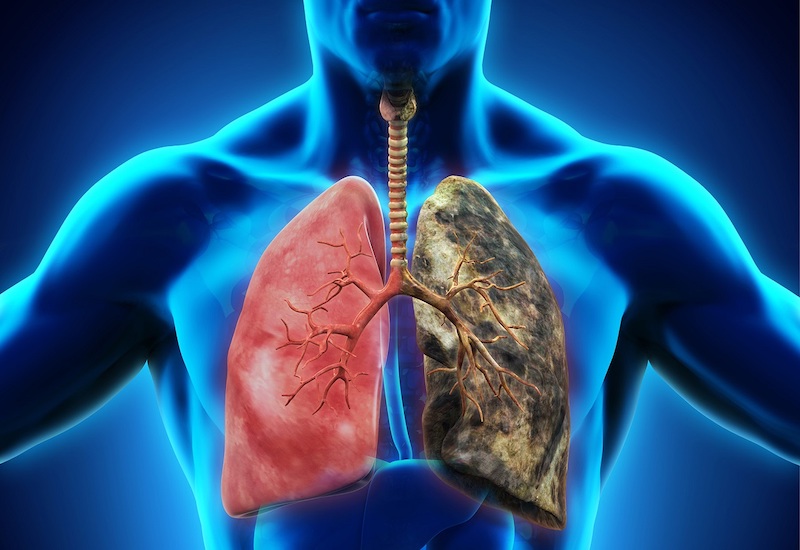
Lung Cancer Doesn't Always Cause Symptoms Only in the Lungs
Lung cancer begins in lung tissue, but its effects aren't necessarily limited to the respiratory system.
Cancer can affect the body in several ways.
A tumor can grow and put pressure on nearby structures. Cancer can spread to other parts of the body. It can also trigger changes in blood clotting, immune responses, hormone-like signaling, and metabolism.
These effects can produce symptoms far away from the original tumor.
This is why some symptoms associated with lung cancer can appear in places that might initially seem unrelated to the lungs.
The legs are one example.
But it's important to emphasize that leg symptoms alone cannot diagnose lung cancer.
A person with leg pain or swelling should not assume they have cancer.
Instead, the symptom should be interpreted according to its severity, timing, associated symptoms, medical history, and risk factors.
1. Sudden Swelling or Pain in One Leg
One of the most important leg symptoms to recognize is new swelling, pain, tenderness, warmth, or redness affecting one leg, particularly when it appears suddenly.
This can sometimes be associated with a deep vein thrombosis (DVT), a blood clot that forms in a deep vein, usually in the leg.
Why is this relevant to lung cancer?
Cancer can increase the body's tendency to form blood clots.
Certain cancers, including lung cancer, can increase the risk of venous thromboembolism. This doesn't mean that a person with a blood clot necessarily has cancer. Blood clots have many possible causes.
But an unexplained clot can sometimes be an important medical finding.
What might a DVT feel like?
Possible symptoms include:
-
Swelling in one leg
-
Pain or tenderness
-
Warmth in the affected area
-
Red or discolored skin
-
A feeling of heaviness
-
Pain that may become more noticeable when walking or standing
Sometimes a DVT causes few obvious symptoms.
That's why a sudden, unexplained change in one leg shouldn't simply be ignored.
Why Can Cancer Increase Blood-Clot Risk?
Cancer can affect the body's normal blood-clotting system.
Some tumors release substances that encourage clot formation. In addition, inflammation, reduced mobility, surgery, hospitalization, certain cancer treatments, and other factors can increase the risk.
The result can be a state in which blood clots form more easily than usual.
This is sometimes called a hypercoagulable state.
Again, this isn't unique to lung cancer.
Blood clots can occur in people who have:
-
Recent surgery
-
Long periods of immobility
-
Long-distance travel
-
Certain medications
-
Pregnancy
-
Hormonal treatments
-
Previous blood clots
-
Some inherited clotting disorders
-
Obesity
-
Other medical conditions
So leg swelling is not a cancer diagnosis.
But a suspected DVT can be medically urgent regardless of the underlying cause.
When a Leg Blood Clot Becomes an Emergency
A dangerous complication can occur if part of a clot breaks away and travels through the bloodstream to the lungs.
This is called a pulmonary embolism (PE).
A pulmonary embolism can cause:
-
Sudden shortness of breath
-
Chest pain, especially with breathing
-
Rapid heartbeat
-
Coughing
-
Coughing up blood
-
Lightheadedness
-
Fainting
If someone has sudden difficulty breathing, chest pain, coughing up blood, or collapses—especially with a swollen or painful leg—emergency medical care is needed immediately.
Don't wait to see whether the symptoms disappear.
2. New Bone or Joint Pain and Swelling
Another possible connection between lung cancer and the legs involves the bones and joints.
Lung cancer can spread to bones in advanced disease.
When cancer affects bone tissue, it can cause persistent pain.
This pain may:
-
Continue even when you're resting
-
Become worse at night
-
Gradually increase
-
Be localized to one area
-
Interfere with walking or daily activities
The hips, pelvis, spine, and other bones can be affected.
Sometimes people initially interpret persistent bone pain as ordinary aging, arthritis, muscle strain, or an old injury.
In many cases, that's exactly what it is.
But unexplained, persistent, or progressively worsening bone pain deserves medical evaluation—especially when accompanied by other unexplained symptoms.
What Does Cancer-Related Bone Pain Feel Like?
There isn't one specific type of pain that proves cancer has spread to the bone.
However, clinicians may become more concerned when pain is:
Persistent: It doesn't improve as expected.
Progressive: It gradually becomes more severe.
Unexplained: There is no clear injury or other obvious cause.
Present at rest: The discomfort continues even when the person isn't using the affected area.
Associated with weakness: The person becomes less able to walk or bear weight.
Bone pain has many possible causes, including arthritis, osteoporosis, injuries, infections, and other conditions.
Therefore, the pattern matters more than any single characteristic.

Why Bone Metastases Matter
When cancer spreads from its original location to another part of the body, it is called metastasis.
Lung cancer can metastasize to bones.
When this happens, symptoms can depend on which bones are affected.
A person may experience:
-
Localized bone pain
-
Reduced mobility
-
Weakness
-
Increased risk of fractures
-
Back pain
-
Hip pain
-
Difficulty walking
In some cases, cancer affecting the spine can compress nerves or the spinal cord.
That can produce more serious neurological symptoms.
3. Weakness, Numbness, or Difficulty Walking
A third category of symptoms involves neurological changes.
A person may develop:
-
Leg weakness
-
Numbness
-
Tingling
-
Loss of coordination
-
Difficulty walking
-
Problems with balance
-
Changes in sensation
These symptoms have countless possible explanations.
Common causes include:
-
Sciatica
-
Peripheral neuropathy
-
Diabetes
-
Vitamin deficiencies
-
Nerve compression
-
Spinal problems
-
Stroke
-
Multiple sclerosis
-
Medication effects
-
Musculoskeletal conditions
However, neurological symptoms can sometimes occur when cancer affects the brain, spinal cord, or nerves.
This is one reason new or progressive weakness shouldn't automatically be dismissed as “just getting older.”
Spinal Cord Compression Is Especially Important
In people with known cancer, new back pain accompanied by leg weakness, numbness, or difficulty walking can sometimes indicate spinal cord compression.
This can happen when a tumor affects the spine and puts pressure on the spinal cord or nearby nerves.
Potential warning signs include:
-
New or worsening back pain
-
Leg weakness
-
Numbness
-
Difficulty walking
-
Problems with balance
-
Changes in bladder function
-
Changes in bowel control
This can be a medical emergency because prolonged pressure on the spinal cord can cause permanent neurological damage.
Someone with cancer who develops these symptoms should seek urgent medical evaluation.
Not Every Leg Symptom Is Related to Cancer
This point cannot be emphasized enough.
Leg symptoms are extremely common.
Millions of people experience:
-
Muscle cramps
-
Varicose veins
-
Arthritis
-
Sports injuries
-
Back-related nerve pain
-
Circulation problems
-
Swelling after prolonged sitting
-
Foot problems
-
Tendon injuries
Most of these are not caused by lung cancer.
For example, mild leg swelling after standing all day could have a completely ordinary explanation.
Likewise, knee pain in an older adult may be related to osteoarthritis.
A calf strain after exercise is usually much more likely to be a musculoskeletal injury than a cancer symptom.
The goal isn't to make people fearful of ordinary aches and pains.
The goal is to recognize patterns that deserve evaluation.
What Other Symptoms Can Accompany Lung Cancer?
Leg symptoms become more meaningful when they occur alongside symptoms commonly associated with lung cancer.
Potential symptoms can include:
Persistent cough
A cough that doesn't go away or changes significantly may deserve evaluation.