Your nose does much more than help you breathe and detect smells. It warms and filters the air you inhale, contributes to your sense of taste and smell, and plays an important role in protecting the respiratory system.
Because the nose is exposed to the environment every day, it can also experience many ordinary changes. Dry weather, allergies, infections, medications, aging, and skin conditions can all affect how the nose looks and feels.
However, some persistent or unusual changes may deserve closer attention.
A change in the nose does not automatically mean something is seriously wrong. In fact, most nasal symptoms have relatively common explanations. But if a change lasts, repeatedly returns, becomes worse, or appears alongside other symptoms, it may be worth discussing with a healthcare professional.
Here are five changes to know about.
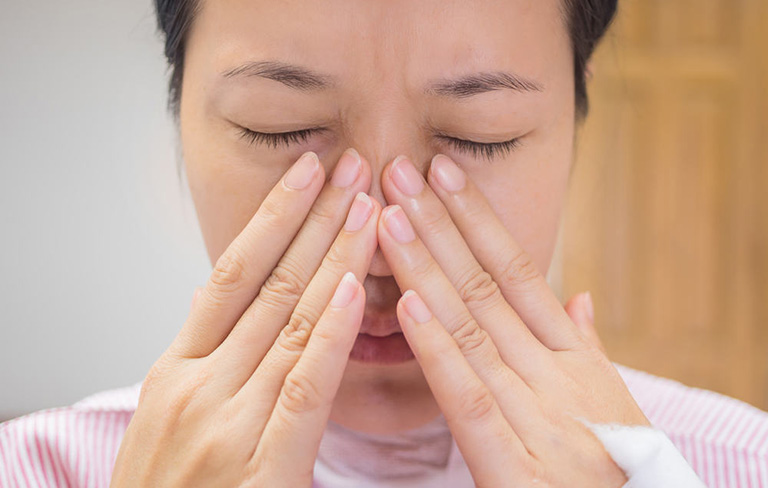
1. Persistent Nasal Congestion
Almost everyone experiences a blocked or stuffy nose from time to time.
A cold, seasonal allergies, dust, smoke, or other irritants can temporarily cause the nasal passages to become swollen.
But congestion that persists for weeks or repeatedly interferes with breathing deserves attention.
You may notice:
-
Difficulty breathing through your nose
-
A blocked sensation on one or both sides
-
Reduced ability to smell
-
Mouth breathing
-
Nasal pressure
-
Snoring that has become worse
One common cause is allergic rhinitis, which occurs when the immune system reacts to substances such as pollen, dust mites, or pet allergens.
Other possible causes include chronic sinusitis, nasal polyps, a deviated septum, medication effects, and environmental irritation.
When Congestion May Need Evaluation
Persistent congestion accompanied by other symptoms can be more important.
For example:
Nasal blockage + recurrent nosebleeds
Nasal blockage + facial swelling
Nasal blockage + persistent facial pain
Nasal blockage + unexplained weight loss
doesn't necessarily mean a serious disease is present, but it warrants medical assessment.
A healthcare professional can examine the nasal passages and determine whether allergies, infection, structural problems, or another condition is responsible.
2. Frequent or Unexplained Nosebleeds
Nosebleeds are extremely common because the inside of the nose contains many small blood vessels close to the surface.
Dry air can make these vessels more fragile.
Other common triggers include:
-
Nose picking
-
Forceful nose blowing
-
Allergies
-
Colds
-
Nasal sprays
-
Minor trauma
-
Very dry indoor air
Occasional nosebleeds are usually not a sign of a serious health problem.
But frequent, heavy, or unexplained nosebleeds should not simply be ignored.
Why Can Nosebleeds Keep Happening?
Repeated bleeding can result from chronic irritation or dryness.
Certain medications can also increase bleeding risk, particularly:
-
Aspirin
-
Anticoagulants
-
Some antiplatelet medications
Bleeding disorders can also cause unusually frequent or prolonged nosebleeds.
In rare cases, persistent one-sided nasal symptoms and recurrent bleeding can be associated with a growth in the nasal or sinus area.
That doesn't mean every nosebleed is a warning sign of cancer.
It simply means persistent or unusual bleeding deserves appropriate evaluation.
3. A Persistent Change in Your Sense of Smell
Your sense of smell can change for many reasons.
A temporary loss of smell is common during respiratory infections such as colds and COVID-19.
Allergies and sinus inflammation can also interfere with the ability to detect odors.
But changes in smell that persist after an infection has resolved may warrant further investigation.
You might notice:
-
Reduced ability to smell
-
Complete loss of smell
-
Smells becoming unusually weak
-
Distorted smells
-
Smelling odors that aren't actually present
The medical terms include hyposmia, anosmia, and parosmia, depending on the specific change.
What Can Cause Changes in Smell?
Possible causes include:
-
Viral respiratory infections
-
Chronic sinus disease
-
Nasal polyps
-
Allergies
-
Head injury
-
Certain medications
-
Smoking
-
Aging
-
Neurological conditions
Because smell is closely connected with the nervous system, persistent unexplained changes may occasionally provide information about broader health conditions.
But a change in smell by itself is not enough to diagnose a neurological disorder.
4. Persistent Crusting, Sores, or Skin Changes
The skin around and inside the nose can become irritated for many reasons.
Dry weather, frequent nose blowing, allergies, and skin conditions can all cause:
-
Crusting
-
Redness
-
Scaling
-
Small cracks
-
Irritation
-
Tenderness
Most cases are harmless and improve when the underlying irritation is addressed.
However, a sore or crusted area that doesn't heal deserves attention.
Why Might a Persistent Nasal Sore Matter?
A wound that repeatedly bleeds, develops a persistent crust, or fails to heal can sometimes be associated with infection or a skin disorder.
Less commonly, persistent skin lesions can be related to skin cancer.
This is particularly relevant for people with significant sun exposure, because the nose receives considerable ultraviolet radiation.
Warning features can include:
-
A sore that doesn't heal
-
Repeated bleeding from the same spot
-
A growing bump
-
A lesion that changes appearance
-
Persistent scaling
-
A pearly or unusual skin growth
These signs don't mean cancer is present.
But a dermatologist or other healthcare professional can determine whether the lesion needs further examination.
5. A Noticeable Change in the Shape or Structure of the Nose
The shape of the nose naturally changes over time.
Aging can affect cartilage, skin, and facial tissues.
Injuries can also alter the shape of the nose.
But a new and unexplained structural change deserves attention, particularly if it develops alongside breathing problems or other symptoms.
Potential causes include:
-
Previous trauma
-
Chronic inflammation
-
Infection
-
Cartilage disorders
-
Skin conditions
-
Benign growths
-
Rarely, tumors
A gradual change that occurs with aging is generally very different from a sudden or progressive change.
Your Nose Can Also Reflect Skin Health
The nose is one of the most common areas for certain skin conditions.
Because it contains many oil-producing glands and receives substantial sun exposure, it can develop:
-
Acne
-
Rosacea
-
Seborrheic dermatitis
-
Sun damage
-
Actinic keratoses
-
Skin cancers
Persistent redness of the nose, for example, can occur with rosacea.
Rosacea may also cause:
-
Visible small blood vessels
-
Flushing
-
Burning or stinging
-
Small bumps or pustules
It is a treatable skin condition, although symptoms can vary significantly between people.
What About a Swollen or Red Nose?
A swollen nose can occur because of:
-
Trauma
-
Infection
-
Allergic reactions
-
Inflammation
-
Skin conditions
A sudden swollen nose accompanied by difficulty breathing, facial swelling, or swelling of the lips or tongue can indicate a serious allergic reaction.
Difficulty breathing or rapidly developing facial swelling requires emergency medical attention.
The Nose and Respiratory Health
Because the nose is the first part of the respiratory tract that incoming air encounters, nasal symptoms can sometimes reflect respiratory problems.
For example, chronic nasal congestion can contribute to:
-
Mouth breathing
-
Dry mouth
-
Snoring
-
Poor sleep quality
People with persistent nasal obstruction may also experience daytime fatigue because their sleep becomes disrupted.
If you regularly wake up gasping, snore loudly, or experience severe daytime sleepiness, discuss these symptoms with a healthcare professional.
Why One-Sided Symptoms Deserve Attention
Many common nasal conditions affect both sides of the nose.
For example, allergies often produce congestion in both nasal passages.
A persistent problem affecting only one side, particularly if it involves bleeding, pain, a foul-smelling discharge, or progressive blockage, deserves medical assessment.
Again, this doesn't mean a tumor is present.
There are many benign explanations for one-sided symptoms, including a deviated septum, localized infection, or a foreign object.
But persistent unilateral symptoms shouldn't be ignored.
What Does a Foul-Smelling Nasal Discharge Mean?
An unusual smell from nasal discharge can occur with infection.
Sinus infections may produce:
-
Thick mucus
-
Facial pressure
-
Congestion
-
Reduced smell
-
Headache
-
Postnasal drip
A persistent foul-smelling discharge, especially from one nostril, may have other causes and should be evaluated.
In children, one-sided foul-smelling nasal discharge can sometimes occur when a foreign object has become lodged in the nose.
Nasal Polyps Can Affect Breathing and Smell
Nasal polyps are soft, noncancerous growths that can develop inside the nasal passages or sinuses.
They may cause:
-
Chronic congestion
-
Reduced sense of smell
-
Postnasal drip
-
Facial pressure
-
Mouth breathing
-
Snoring
People with asthma or chronic sinus inflammation may be more likely to develop nasal polyps.
Treatment depends on the severity and may include nasal corticosteroids or other medical approaches.
A Deviated Septum Can Cause Long-Term Problems
The septum separates the two sides of the nose.
If it is significantly deviated, one nasal passage may become narrower.
This can contribute to:
-
Difficulty breathing through one side
-
Chronic congestion
-
Snoring
-
Recurrent sinus problems
-
Nosebleeds
A deviated septum can be present from birth or develop after an injury.
It isn't necessarily dangerous, but severe symptoms can be treated.
What About the Color of Your Nose?
Temporary redness is common.
It can occur because of:
-
Cold weather
-
Heat
-
Exercise
-
Alcohol
-
Spicy foods
-
Emotional stress
-
Rosacea
Persistent discoloration may have a dermatological explanation.
If the skin develops a new dark patch, persistent redness, scaling, or a changing lesion, a medical evaluation may be appropriate.
Can Your Nose Reveal Heart or Lung Problems?
There are many exaggerated claims online suggesting that the shape or color of the nose can diagnose heart or lung disease.
These claims should be treated cautiously.
Some systemic diseases can affect the skin, blood vessels, or tissues of the face, but you cannot diagnose heart or lung disease simply by looking at your nose.
Symptoms such as chest pain, shortness of breath, fainting, or persistent coughing require appropriate medical evaluation rather than visual self-diagnosis.
What About a Blue or Purple Nose?
A bluish or purplish color can sometimes reflect reduced oxygenation or circulation problems, but it can also occur because of cold temperatures or vascular conditions.
If the nose, lips, or fingertips suddenly turn blue—particularly alongside:
-
Difficulty breathing
-
Chest pain
-
Confusion
-
Severe weakness
seek emergency medical attention.
Nasal Symptoms and Allergies
Allergies are among the most common causes of chronic nasal problems.
Typical allergic symptoms include:
-
Sneezing
-
Itchy nose
-
Runny nose
-
Nasal congestion
-
Watery eyes
-
Postnasal drip
Symptoms often occur after exposure to specific triggers such as pollen, dust mites, mold, or animal dander.
Managing the underlying allergy can often improve nasal symptoms significantly.
Don't Overuse Decongestant Sprays
Some nasal decongestant sprays can provide rapid relief from congestion.
However, using certain products for too long can cause rebound congestion, in which the nose becomes congested again—or even more severely—after the medication wears off.
Always follow the product instructions.
If you find yourself relying on a decongestant spray regularly, talk with a healthcare professional.
Dry Air Can Change Your Nose
Dry environments can irritate the nasal lining.
This may cause:
-
Crusting
-
Small nosebleeds
-
Burning
-
Nasal discomfort
Using a humidifier, drinking adequate fluids, and avoiding excessive nose picking may help.
If indoor air is very dry, keeping humidity at a comfortable level can reduce irritation.
Smoking Can Affect the Nose
Smoking exposes the nasal passages to irritating chemicals.
It can contribute to:
-
Chronic irritation
-
Reduced sense of smell
-
Increased mucus production
-
Respiratory problems
Smoking is also associated with numerous serious diseases, including cancer and cardiovascular disease.
Quitting smoking is one of the most effective steps a person can take to improve overall health.
Aging Can Change Your Sense of Smell
The ability to smell often becomes less sensitive with age.
This can affect:
-
Enjoyment of food
-
Appetite
-
Detection of smoke or gas
-
Ability to recognize spoiled food
Because smell contributes significantly to flavor perception, some older adults may feel that food has become less flavorful.
However, a sudden or rapidly progressive loss of smell should not simply be attributed to aging.
Your Sense of Smell Can Affect Nutrition
When smell decreases, food may become less appealing.
Some people respond by adding more:
-
Salt
-
Sugar
-
Fat
to compensate for reduced flavor.
This can be problematic for people managing blood pressure, diabetes, or cardiovascular risk.
Using herbs, spices, citrus, and naturally flavorful foods can help make meals more enjoyable without relying heavily on salt or sugar.
How to Protect Your Nasal Health
Simple habits can make a difference.
Keep the nasal passages clean
Use appropriate saline rinses when recommended, especially during allergy or sinus problems.
Avoid smoking
This protects both nasal and overall respiratory health.
Manage allergies
Identify triggers and use appropriate treatments.
Protect yourself from excessive sun exposure
The nose is particularly vulnerable to UV damage.
Don't pick your nose
Repeated trauma can cause bleeding and infection.
Stay hydrated
Adequate fluid intake can help prevent excessive dryness.
Use medications correctly
Follow instructions for nasal sprays and other medications.

When Should You See a Doctor?
Consider medical evaluation if you experience:
-
Persistent nasal blockage
-
Recurrent unexplained nosebleeds
-
Loss of smell that doesn't improve
-
A sore that won't heal
-
A persistent lump or growth
-
One-sided nasal discharge
-
Persistent facial pain
-
Progressive changes in the shape of the nose
-
Symptoms that continue despite appropriate home care
These symptoms do not automatically indicate a serious illness.
The purpose of an examination is to determine what is actually causing them.
When Is It an Emergency?
Some nasal or facial symptoms require urgent care.
Seek immediate medical attention for:
-
Sudden difficulty breathing
-
Rapid swelling of the nose, lips, tongue, or throat
-
Severe facial trauma
-
Uncontrolled heavy bleeding
-
Blue lips or face associated with breathing problems
-
Sudden neurological symptoms accompanying a change in smell
Don't wait for a nasal symptom to resolve on its own if you're experiencing signs of a potentially life-threatening problem.
The 5 Changes to Remember
If you want to keep the main points simple, watch for these five changes:
1. Persistent nasal congestion
Especially when it is new, severe, or mainly affects one side.
2. Frequent or unexplained nosebleeds
Particularly if bleeding is heavy or repeatedly comes from the same area.
3. Persistent changes in smell
Including unexplained loss, distortion, or unusual smells.
4. Sores, crusting, or unusual skin changes
Especially lesions that repeatedly bleed or don't heal.
5. Unexplained structural changes
Particularly progressive changes accompanied by pain or breathing problems.
The Bottom Line
Your nose can provide useful clues about your health, but it should never be treated as a diagnostic tool on its own.
Persistent congestion, recurrent nosebleeds, changes in smell, non-healing sores, and unexplained structural changes are among the symptoms worth paying attention to.
Most of these signs have common explanations. Allergies, infections, dry air, medications, aging, and minor irritation are much more likely causes in many situations.
But when a symptom is persistent, progressive, one-sided, unexplained, or accompanied by other concerning changes, getting it checked is the smart move.
Final Thoughts
It's easy to dismiss nasal symptoms because they're so common.
A stuffy nose may simply be allergies. A small nosebleed may be caused by dry air. A reduced sense of smell may follow a viral infection.
In most cases, there's no reason to panic.
The key is recognizing when something doesn't behave like your usual symptoms.
If a change persists, keeps returning, becomes progressively worse, or occurs alongside unusual bleeding, severe pain, a non-healing sore, facial swelling, or difficulty breathing, don't rely on internet symptom lists.
Pay attention to the change, document how long it has been happening, and talk with a healthcare professional when appropriate.
Your nose may not be able to diagnose a disease—but noticing changes early can help you know when it's time to look more closely.