Is Your Spleen Trying to Tell You Something? Don’t Ignore These Subtle Warning Signs
Most people don’t think about their spleen at all — until something feels off. It’s not as “famous” as the heart or brain, but the spleen plays a crucial role in your immune system and blood health. And when something goes wrong, your body will send signals… just not always in obvious ways.
Let’s decode what those signals might mean — clearly, no fluff.
What Does the Spleen Actually Do?
6
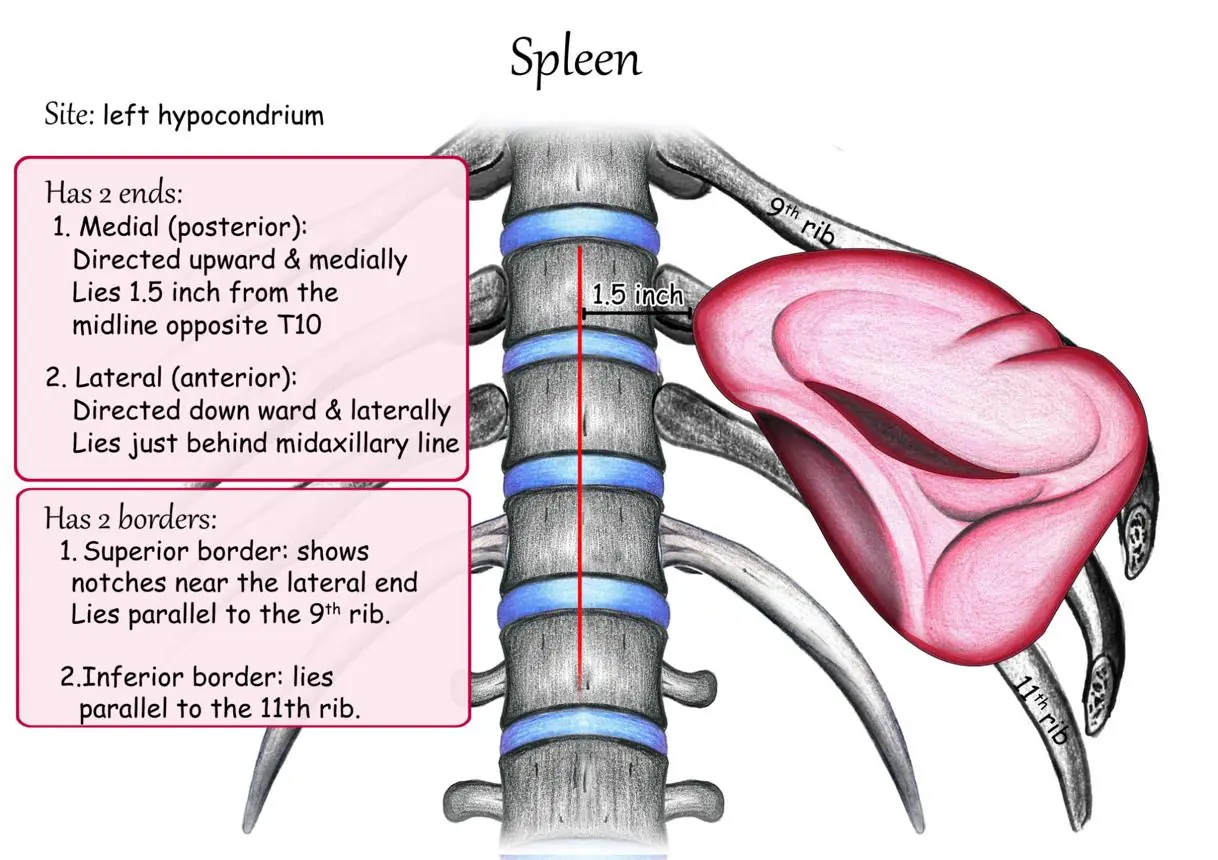
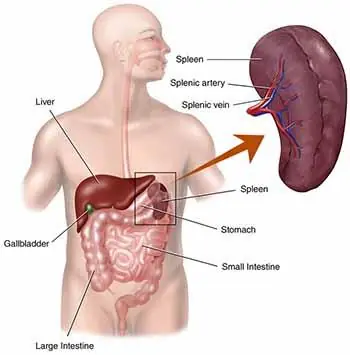
Your spleen sits in the upper left side of your abdomen, just behind your ribs.
Key functions:
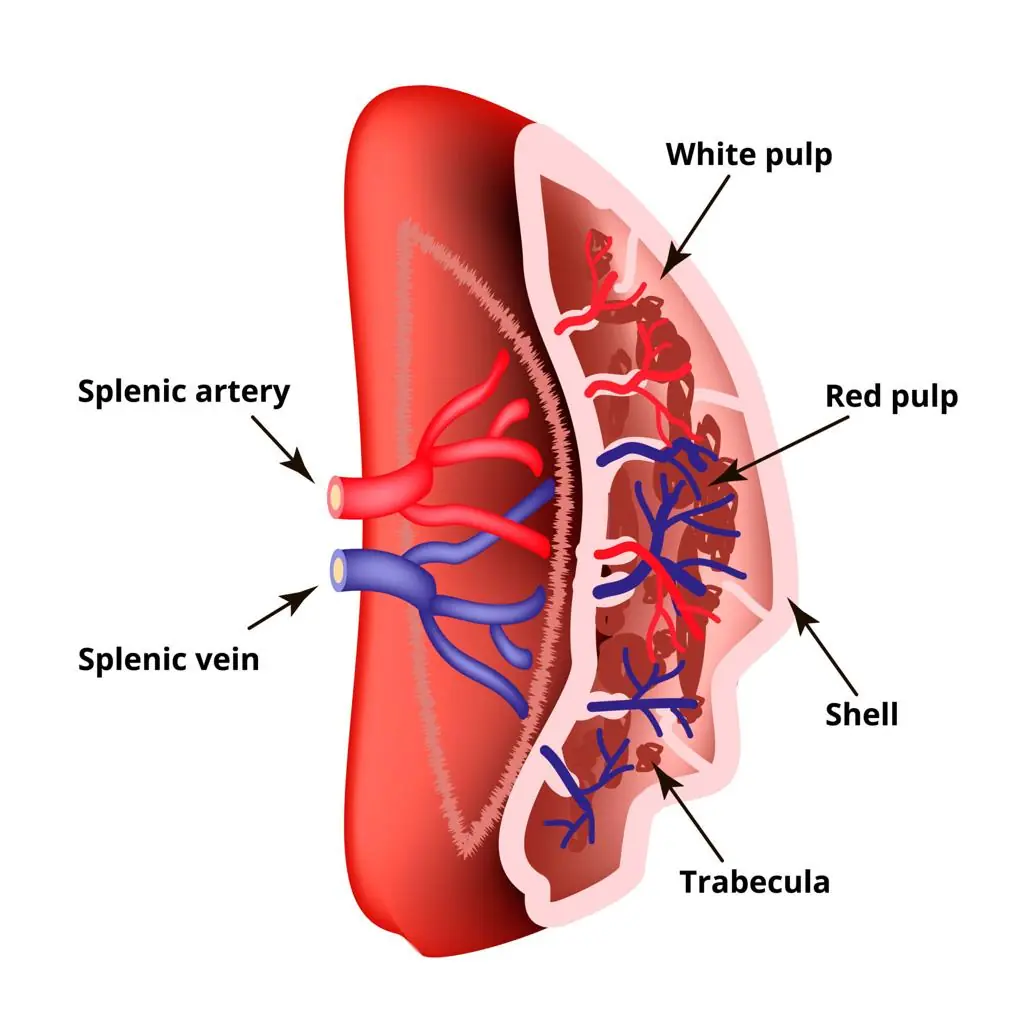
- Filters old or damaged blood cells
- Stores white blood cells (immune defense)
- Helps fight infections
- Acts as a blood reservoir
Basically, it’s like a quality control center for your blood + immune system.
Early Signs Your Spleen Might Be in Trouble



6
When the spleen becomes enlarged or stressed (a condition called splenomegaly), symptoms can be subtle at first:
1. Pain or discomfort (upper left abdomen)
- May spread to the left shoulder
- Often worsens after eating
2. Feeling full quickly
Even small meals can make you feel uncomfortably full — because the enlarged spleen presses on your stomach.
3. Fatigue & weakness
Your spleen affects blood cells, so issues can lead to low energy levels.
4. Frequent infections
If your immune system is compromised, you may get sick more often.
More Serious Symptoms You Should NOT Ignore


4
If things progress, symptoms become more obvious — and more serious:
- Easy bruising or bleeding
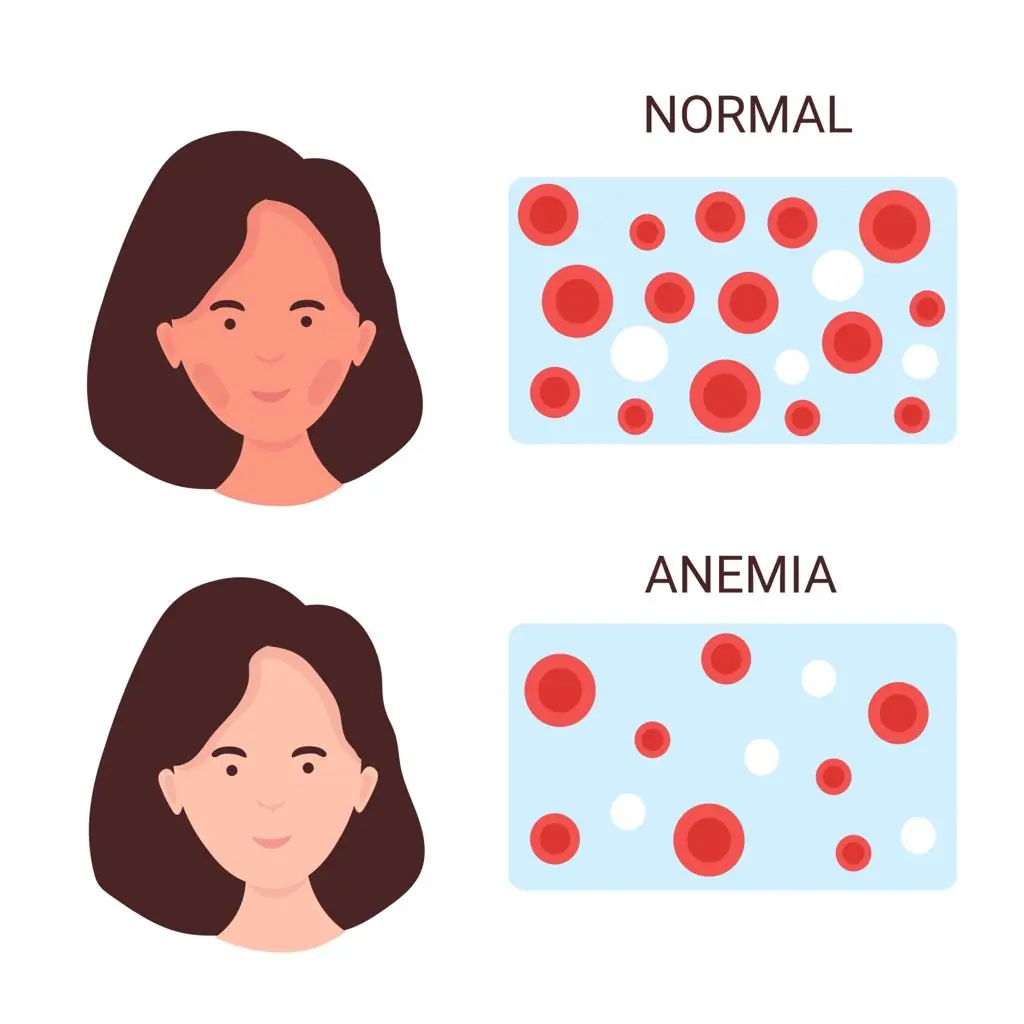
- Pale skin (possible anemia)
- Dizziness or fainting
- Rapid heart rate
These signs suggest your spleen may be affecting your blood cell balance, which is not something to take lightly.
What Causes Spleen Problems?
7
Several underlying conditions can impact your spleen:
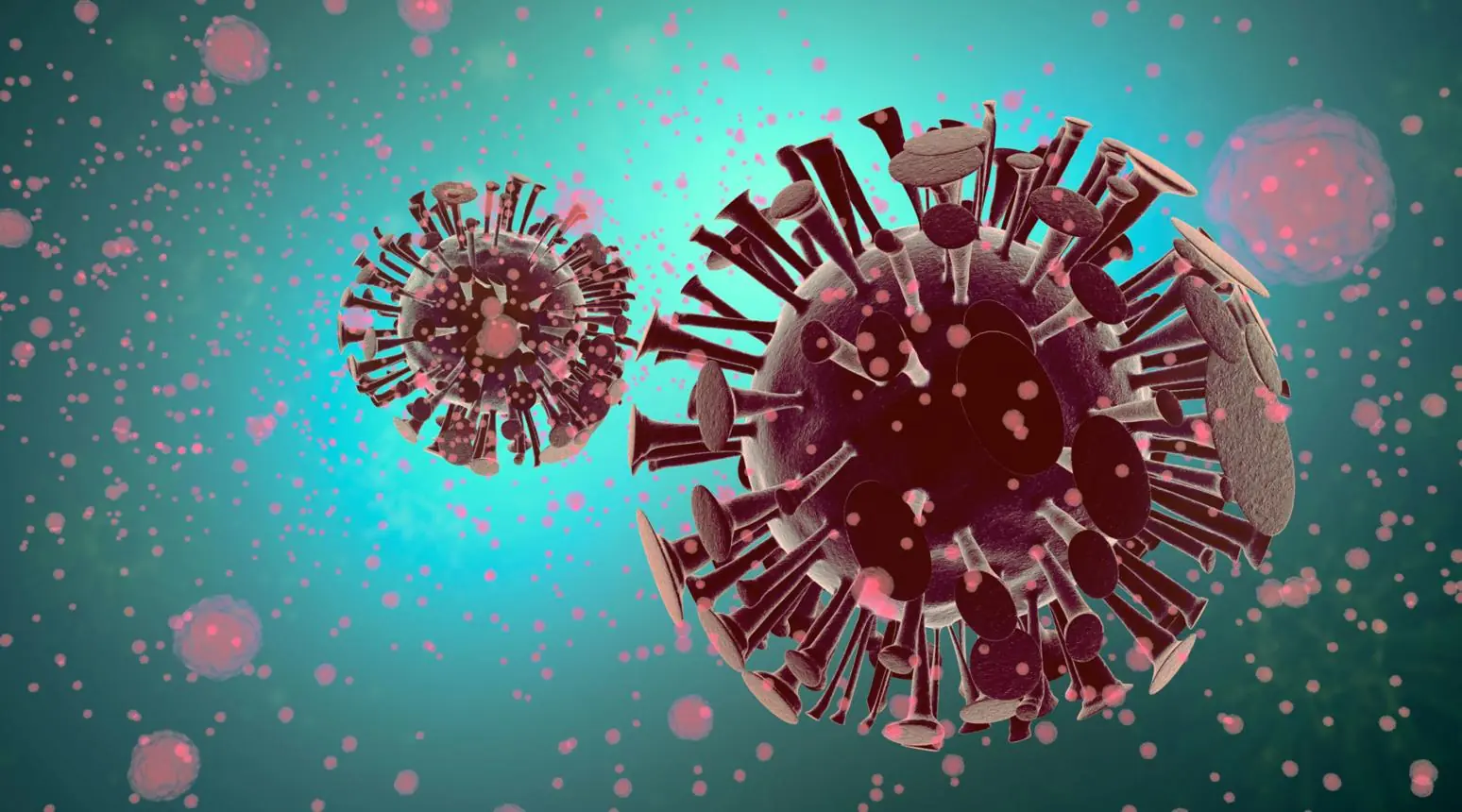
- Infections (like viral or bacterial illnesses)
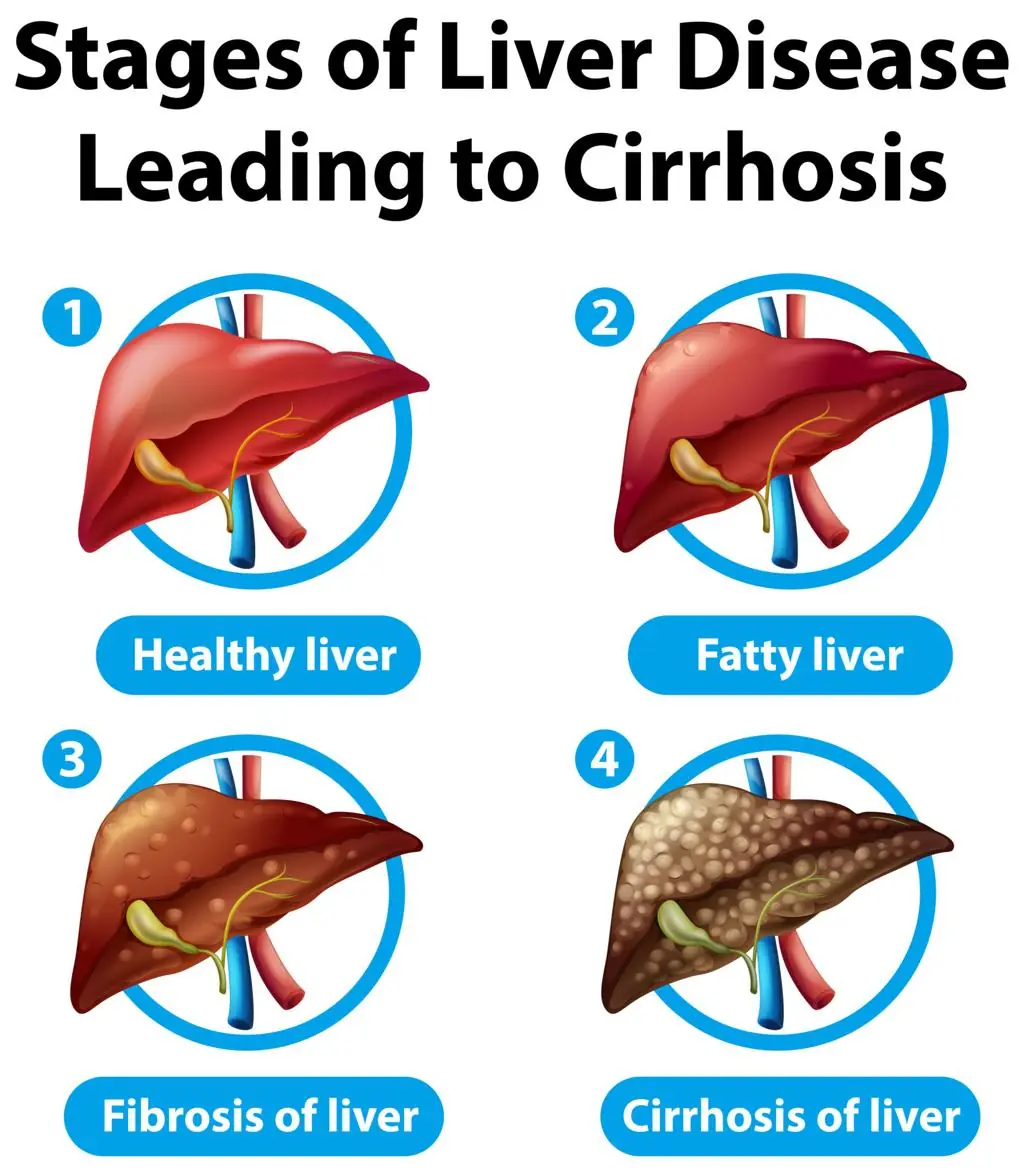
- Liver diseases (e.g., cirrhosis)
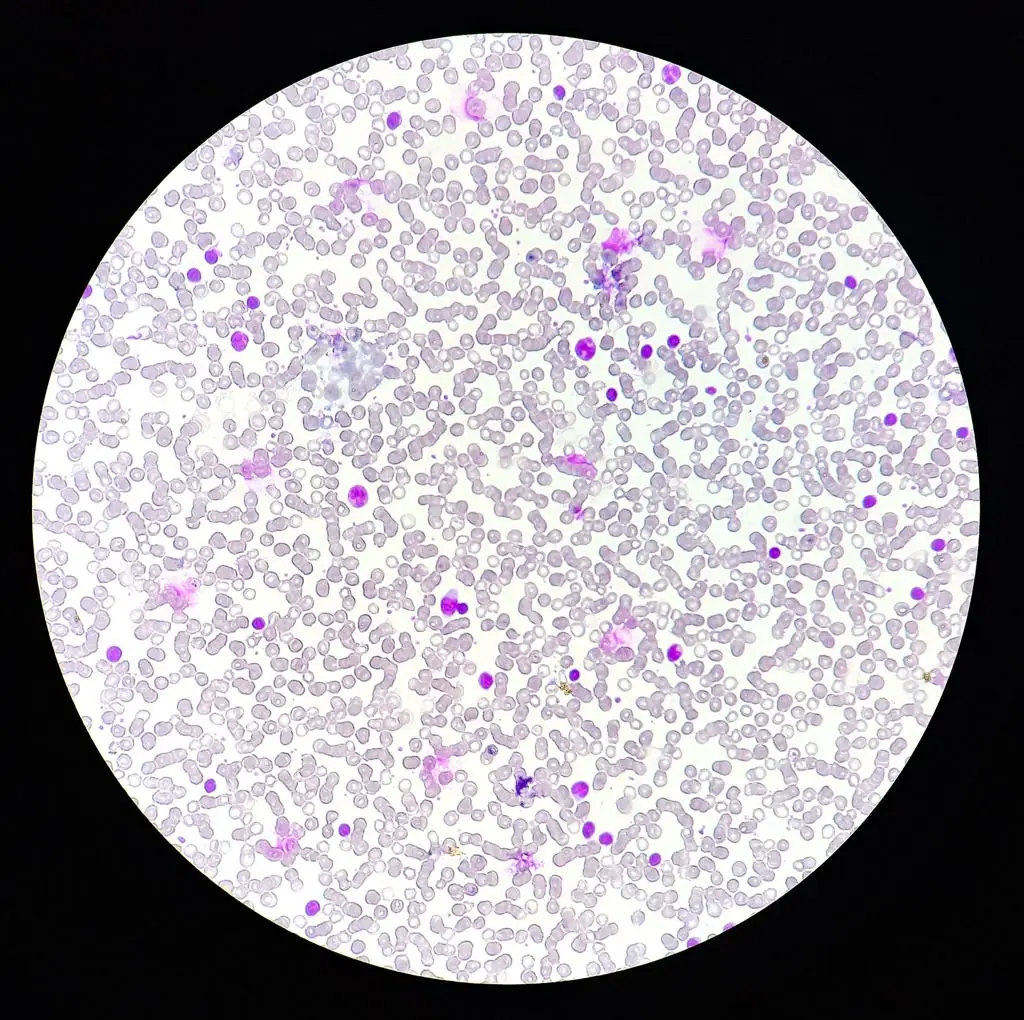
- Blood disorders
- Certain cancers
- Physical trauma (injury to the abdomen)
So the spleen problem is often a signal of something bigger happening inside your body.
When Should You See a Doctor?
Let’s keep it real — not every discomfort is serious, but these situations are red flags:
Get checked if you notice:
- Persistent pain in the upper left abdomen
- Unexplained fatigue + frequent illness
- Sudden bruising or bleeding
- Feeling full after eating very little
And if you feel sharp pain after an injury, especially in that area — that could indicate a ruptured spleen, which is a medical emergency.
How to Protect Your Spleen



6
Simple habits can go a long way:
- Maintain a healthy diet
- Avoid excessive alcohol (protects liver → helps spleen)
- Use seatbelts and avoid risky impacts
- Treat infections early
- Regular health checkups
Final Tho
Is Your Spleen Trying to Tell You Something? Understanding the Warning Signs, Hidden Causes, and How to Protect Your Health
Most people rarely think about their spleen. Unlike the heart, lungs, or kidneys, it is not an organ we hear about in everyday health conversations. Yet this small organ, tucked beneath the left side of the rib cage, performs several important jobs that help keep the blood healthy and the immune system functioning.
The spleen quietly filters blood, removes aging blood cells, stores certain blood cells and platelets, and helps the body respond to infections. Because its work happens largely behind the scenes, problems involving the spleen may not produce obvious symptoms at first.
Sometimes, an enlarged spleen causes a feeling of fullness after eating only a small amount of food. In other cases, a person may experience discomfort beneath the left ribs, unexplained fatigue, or changes in blood test results. These symptoms can also have many other causes, which is why they should not automatically be attributed to the spleen.
Understanding what the spleen does, what can affect it, and when symptoms require medical attention can help you recognize potentially important changes in your health.
1. Where Is the Spleen, and Why Is It Important?
The spleen is located in the upper-left portion of the abdomen, just beneath the diaphragm and behind the lower left ribs. It sits close to the stomach, left kidney, pancreas, and large intestine.
In a healthy adult, the spleen is generally about the size of a fist, although its size varies from person to person.
Its position provides some protection from the ribs, but the spleen is a relatively soft organ with a rich blood supply. This is one reason why significant abdominal injuries can sometimes cause serious bleeding if the spleen is damaged.
The spleen is part of the lymphatic and immune systems. It is not essential for survival, but it performs functions that become particularly important when the body encounters bacteria and other infectious organisms.
Think of it as a combination of a blood-filtering station and an immune monitoring center.
2. The Four Major Jobs of the Spleen
Filtering Old and Damaged Red Blood Cells
Red blood cells transport oxygen from the lungs to tissues throughout the body.
These cells normally circulate for approximately 120 days before they become less flexible and begin to show signs of aging. The spleen helps identify and remove red blood cells that are old, damaged, or abnormal.
Specialized immune cells called macrophages help break down these cells and recycle useful components, including iron.
This recycling process is important because the body needs iron to produce new red blood cells.
When the spleen becomes excessively active or enlarged, however, it may remove healthy blood cells as well as aging ones. This can contribute to low blood cell counts.
Supporting the Immune System
The spleen contains immune cells, including lymphocytes and macrophages, that help recognize and respond to infectious organisms.
It plays a particularly important role in defending the body against certain bacteria that have protective outer capsules.
Examples include: