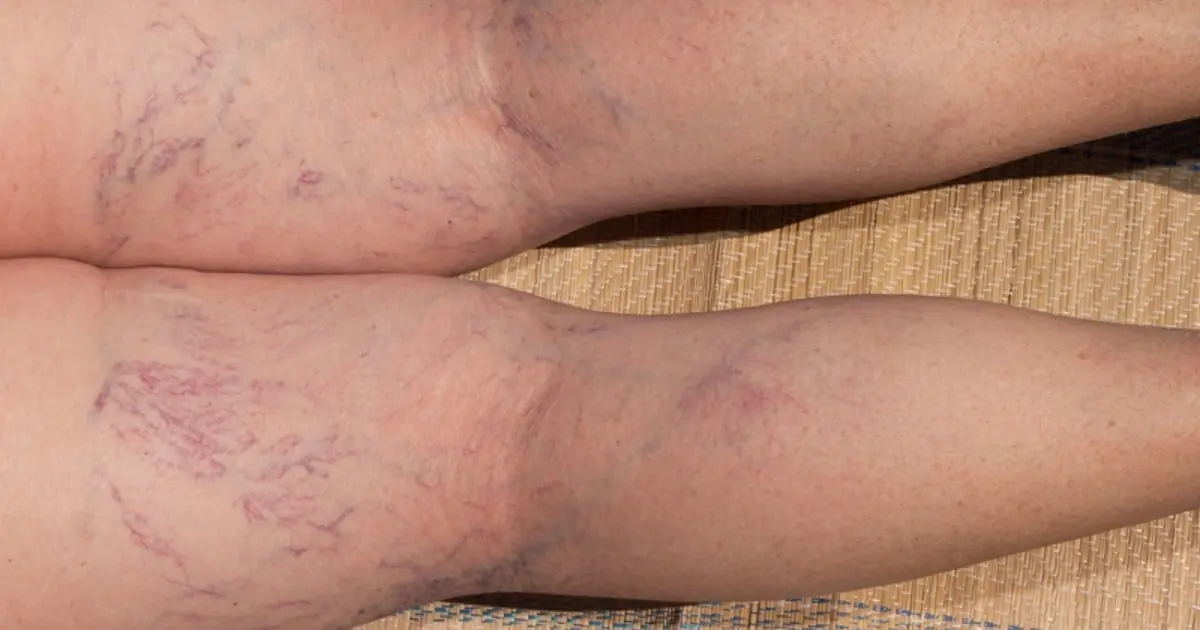
What Purple Veins on Your Legs May Tell You About Your Health?
Seeing Purple Veins on Your Legs? Here’s What They May Mean
⏱️ 1 min read 25/08/2026 10:04
Have you ever noticed dark, velvety patches of skin around your neck, under your arms, or in other body folds and wondered what they mean?
For many people, these skin changes appear gradually and don't cause pain or itching. Because they often develop slowly, they're easy to ignore or mistake for dirt, poor hygiene, or simple skin discoloration. But in some cases, these patches can be a sign that your body is trying to tell you something important.
One possible cause is acanthosis nigricans, a skin condition that is often linked with insulin resistance, obesity, hormonal disorders, certain medications, or, more rarely, other underlying medical conditions.
The good news is that acanthosis nigricans itself is not contagious, and it is not caused by poor hygiene. While it isn't dangerous on its own, it can sometimes be a clue that it's worth discussing your overall health with a healthcare professional.
Let's take a closer look at what it is, why it happens, and when it's a good idea to seek medical advice.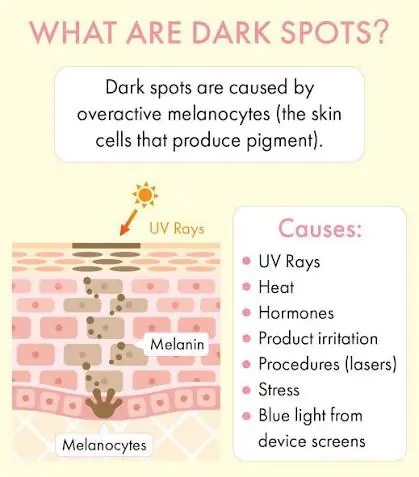
Acanthosis nigricans is a skin condition that causes areas of skin to become:
The discoloration may range from light brown to dark brown or gray, depending on a person's natural skin tone.
The affected skin often feels soft or slightly raised rather than rough or scaly.
The condition most commonly develops in skin folds, including:
Less commonly, it can appear on:
Acanthosis nigricans isn't a disease by itself. Instead, it's often a sign associated with another condition or factor.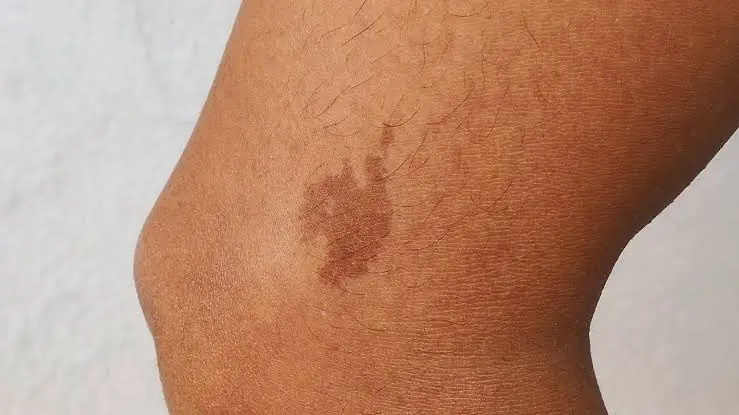
The most common cause is insulin resistance, a condition in which the body's cells don't respond well to insulin.
To compensate, the body produces more insulin, and high insulin levels may stimulate skin cells to grow more rapidly, leading to thickened, darker patches.
Insulin resistance is commonly associated with:
Not everyone with insulin resistance develops acanthosis nigricans, but the two are frequently linked.
People who are overweight or obese are more likely to develop insulin resistance, making acanthosis nigricans more common in this group.
In some individuals, gradual weight loss and improved metabolic health may lead to improvement in the skin changes.
Several hormone-related conditions may increase the likelihood of developing acanthosis nigricans, including:
Some medications have been associated with acanthosis nigricans, including:
If you notice new skin changes after starting a medication, don't stop taking it on your own. Speak with your healthcare provider.
In some families, acanthosis nigricans can occur due to inherited genetic factors.
This form is much less common and may appear during childhood without being linked to obesity or diabetes.
Rarely, acanthosis nigricans can be associated with certain internal cancers, particularly stomach (gastric) cancer.
This form usually develops suddenly, spreads quickly, and may involve unusual locations such as the mouth or palms.
Although this possibility sounds alarming, it's important to remember that most cases are not related to cancer.
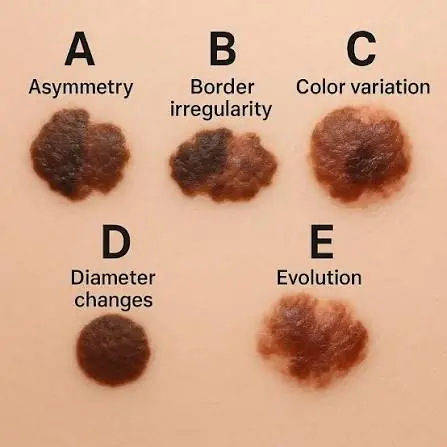
Besides darker skin, people may notice:
Most people have no pain.
The skin changes themselves are usually harmless.
However, because acanthosis nigricans may be associated with conditions such as insulin resistance or hormonal disorders, it's worth discussing with a healthcare professional, especially if the patches are new or changing.
Treating the underlying cause often helps improve the appearance of the skin over time.
A healthcare provider can often recognize acanthosis nigricans by examining the skin.
Depending on your situation, they may recommend tests such as:
If the appearance is unusual or develops rapidly, additional evaluation may be recommended.
Treatment focuses on addressing the underlying cause.
For example:
Improving blood sugar control through lifestyle changes or medication, when appropriate, may gradually improve the skin.
For some people, gradual weight loss can reduce insulin resistance and help the affected skin lighten over time.
A healthcare provider may decide whether changing medications is appropriate.
Never stop a prescribed medication without medical advice.
Although creams alone usually don't treat the underlying cause, these habits may help keep the skin comfortable:
Avoid trying to scrub the patches away—they are not caused by dirt and vigorous scrubbing may irritate the skin.
Schedule an appointment if:
Early evaluation can help identify any treatable cause.
Not every case can be prevented, but maintaining overall metabolic health may reduce the risk for some people.
Helpful habits include:
No. It cannot be spread from person to person.
No. Washing or scrubbing harder will not remove it.
Sometimes they improve after the underlying cause is treated, but changes may take months and can vary from person to person.
Yes. It can occur in children, particularly those with obesity or insulin resistance. Pediatric evaluation is important to assess for possible underlying causes.
No. While it is commonly associated with insulin resistance, it can also be related to other conditions or medications, and some people do not have diabetes.
Dark, velvety patches of skin can be surprising to discover, but they are not something to ignore. Acanthosis nigricans is often a visible clue that your body may be experiencing changes such as insulin resistance or another underlying condition. While the skin changes themselves are usually harmless, they can provide an opportunity to identify and address health issues early.
If you notice new or changing dark patches, especially around the neck, underarms, or other skin folds, consider scheduling a medical evaluation. A simple conversation with your healthcare provider can help determine the cause and guide appropriate next steps. With proper care and attention to overall health, many people see improvements in both their skin and their long-term well-being.
Seeing Purple Veins on Your Legs? Here’s What They May Mean
These Common Morning Habits May Affect Your Bl00d Pressure
Skin irritation in the groin area is a common condition that can affect people of all ages and genders. Due to the warm, moist, and confined environment of the groin, it is particularly vulnerable to skin problems. Understanding the causes, symptoms, and

Who Should Think Twice Before Eating Eggplant?
Are You Sleeping Next to the Wrong Person? Here Are the Signs

Signs Your Digestive System May Be Asking for Help
5 Silent Signs of Pancreatic Can.cer Most People Ignore

What Your Everyday Aches Might Be Trying to Tell You

Could your bedtime routine be putting extra stress on your heart? A 65-Year-Old Woman Di.ed Suddenly Before Dawn: Doctors Warn That One Common Bedtime Habit Could Increase the Risk

Young Man in His 20s D.i.es of C.anc.er After Ignoring Two Nighttime Symptoms

Avocados have earned a reputation as one of the healthiest foods on the planet. From breakfast toast to salads and smoothies, this creamy fruit has become a staple in many diets. But what actually happens when you eat avocados regularly?

Man D.ie.s After Drinking Coconut Water; Suffers Brain Damage

Doctors reveal surprising reasons behind waking up at 3 a.m. nightly.
Doctors and Researchers Are Taking Another Look at Cloves
The Colonoscopy Advice That Could Help You Feel More Prepared

The "Silent" Eating Habits Linked to Heart Disease and Stroke
You Notice Red Dots Overnight? Read This First

One Vegetable, Countless Benefits—Here's What You Should Know

Avocados are packed with nutrients, but for some people, they may come with unexpected risks worth understanding.
Scientists have finally determined when Elon Musk’s warning that “eventually, all life on Earth will be destroyed by the sun” could come to pass.
Seeing Purple Veins on Your Legs? Here’s What They May Mean
These Common Morning Habits May Affect Your Bl00d Pressure
Skin irritation in the groin area is a common condition that can affect people of all ages and genders. Due to the warm, moist, and confined environment of the groin, it is particularly vulnerable to skin problems. Understanding the causes, symptoms, and
Who Should Think Twice Before Eating Eggplant?
Are You Sleeping Next to the Wrong Person? Here Are the Signs
Signs Your Digestive System May Be Asking for Help
5 Silent Signs of Pancreatic Can.cer Most People Ignore
What Your Everyday Aches Might Be Trying to Tell You
Could your bedtime routine be putting extra stress on your heart? A 65-Year-Old Woman Di.ed Suddenly Before Dawn: Doctors Warn That One Common Bedtime Habit Could Increase the Risk
The Emotional Story That Proves Kindness Still Exists
Young Man in His 20s D.i.es of C.anc.er After Ignoring Two Nighttime Symptoms
Avocados have earned a reputation as one of the healthiest foods on the planet. From breakfast toast to salads and smoothies, this creamy fruit has become a staple in many diets. But what actually happens when you eat avocados regularly?
Man D.ie.s After Drinking Coconut Water; Suffers Brain Damage
Doctors reveal surprising reasons behind waking up at 3 a.m. nightly.
Doctors and Researchers Are Taking Another Look at Cloves
Many Judged Him at First Glance. Few Knew the Real Story
The Colonoscopy Advice That Could Help You Feel More Prepared