Discovering synthetic plastic waste and hazardous chemical pollutants at the deepest point on the planet serves as a heartbreaking and urgent warning to humanity, proving that our consumer habits have left an indelible scar across every corner of the global ecosystem.
The Illusion of Pristine Isolation
For centuries, the sheer depth and extreme pressure of the ocean's deepest trenches acted as a natural barrier, leading many to believe that abyssal zones were completely shielded from industrial pollution. Yet, scientific expeditions equipped with advanced deep-sea submersibles have repeatedly recovered troubling evidence to the contrary. From microscopic plastic fibers embedded in amphipods to discarded single-use bags resting on the ocean floor, humanity's footprint has officially reached the ends of the Earth.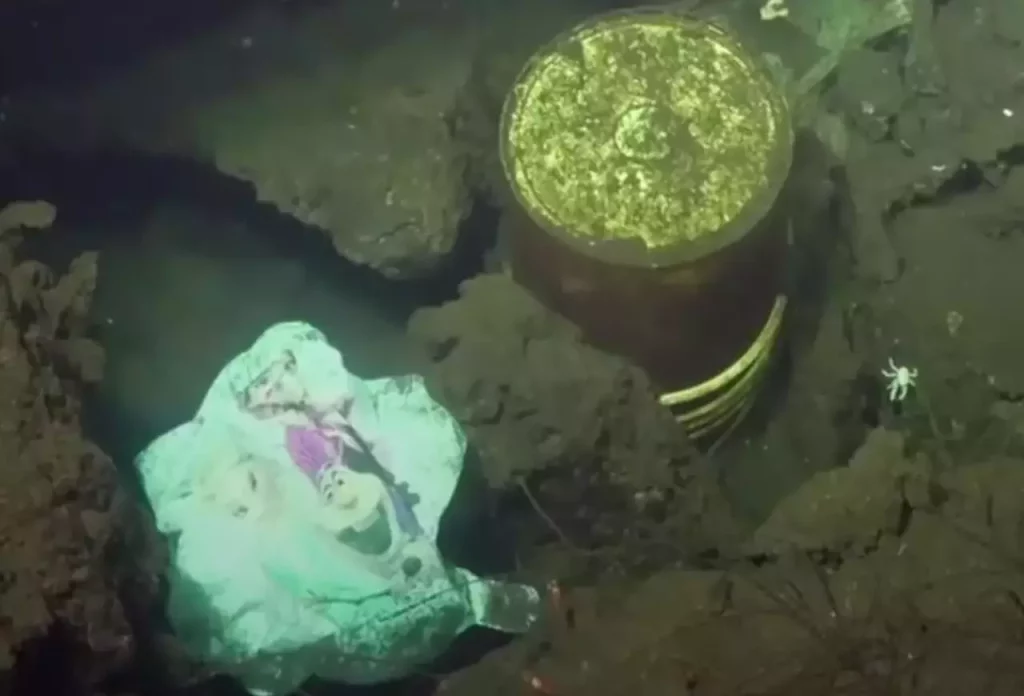
How Pollution Reaches the Abyss
The presence of anthropogenic waste in the Mariana Trench is not the result of direct dumping in the deep ocean, but rather a tragic consequence of global water cycles and gravity:
-
The Plastic Cascade: Lightweight plastics discarded on land break down over time into microplastics under sunlight and wave action. These tiny particles drift across ocean currents, eventually sinking into deep-sea sediment like an underwater snowfall.
-
Persistent Chemical Pollutants: Industrial chemicals and heavy metals—such as PCBs (polychlorinated biphenyls)—accumulate in marine food webs. Deep-sea scavengers consume contaminated organic matter drifting from upper layers, concentrating these toxins in their tissues at levels thousands of times higher than industrial coastal waters.
A Stark Wake-Up Call for Global Ecosystems
The grim discoveries at the ocean floor are more than just a visual embarrassment; they threaten the delicate balance of deep-marine life. Microplastics disrupt feeding patterns and reproductive success in bottom-dwelling organisms, while chemical pollutants undermine the resilience of fragile ecosystems that scientists are only just beginning to understand. Because the deep ocean plays a critical role in regulating global climate and carbon cycles, compromising its health has cascading consequences for the entire planet.
The Path Forward: Redefining Our Relationship with Waste
The warning from the Mariana Trench is clear: out of sight must no longer mean out of mind. Addressing this planetary crisis requires a fundamental shift in how society manufactures, consumes, and discards single-use materials. Strengthening international waste management policies, reducing global plastic production, and embracing circular economies are essential steps to prevent our oceans from turning into the ultimate landfill.
The Bottom Line
The depressing find at the bottom of the Mariana Trench acts as a mirror reflecting our collective environmental negligence. If humanity's discarded plastic can reach the deepest abyss on Earth, it proves that no place is too remote to save—and that the time to change our environmental trajectory is long overdue.