Chapter 1: What Happens Inside Your Body When You Eat a Banana?
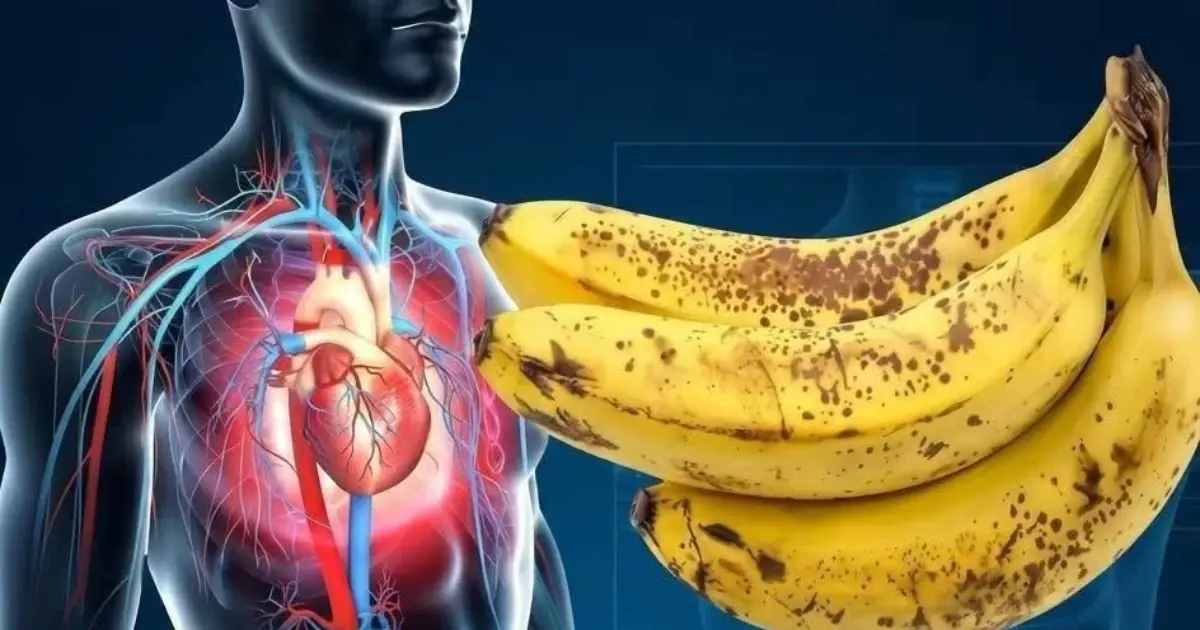
Bananas are so common that many people rarely stop to think about what happens after taking the first bite. They are inexpensive, easy to carry, naturally sweet and available throughout the year. Some people eat one every morning, while others prefer them as an afternoon snack or blend them into smoothies.
Yet this familiar yellow fruit contains several nutrients that play important roles in the human body. Among them are potassium, vitamin B6, vitamin C, carbohydrates and dietary fiber. Each contributes to different processes, including muscle function, energy production, digestion and the maintenance of normal blood pressure.
One of the most important nutrients found in bananas is potassium. This mineral acts as an electrolyte, helping the body maintain fluid balance and allowing nerves and muscles to function properly. The heart is also a muscle, which means potassium plays an essential role in maintaining a normal heartbeat.
A medium-sized banana contains approximately 420–450 milligrams of potassium, although the exact amount varies according to its size. That makes bananas a convenient source of this mineral.
When someone eats a banana, the digestive system begins breaking down its carbohydrates. These carbohydrates provide energy that the body can use for everyday activities. The natural sugars become more available as the fruit ripens, which explains why a ripe banana tastes sweeter than a green one.
But bananas are not simply a source of sugar. They also contain dietary fiber, which influences how quickly food moves through the digestive tract and how the body processes carbohydrates.
Another interesting feature is that bananas change nutritionally as they ripen. Green bananas contain more resistant starch, a type of carbohydrate that is not completely digested in the small intestine. Instead, some of it reaches the large intestine, where beneficial gut bacteria can ferment it.
As the banana becomes yellow and develops brown spots, much of this resistant starch is converted into simpler sugars. This changes its texture, sweetness and digestive characteristics.
For people who want a convenient snack, bananas can be a useful addition to a balanced eating pattern. They can be eaten alone, paired with plain yogurt or combined with nuts and whole grains.
However, one important distinction should be made: eating bananas does not automatically make someone healthier. Their benefits depend on the person's overall diet, activity level and medical circumstances.
The same fruit that provides valuable nutrients to one person may require portion adjustments for another, particularly someone who has been advised to monitor potassium intake.
Understanding these differences is more useful than believing that one particular food can protect every organ or cause every health problem.
The real story of bananas becomes even more interesting when examining their relationship with the heart, kidneys and digestive system.
Chapter 2: How Bananas May Support Heart Health
The heart works continuously, pumping blood throughout the body and delivering oxygen and nutrients to organs and tissues. Maintaining healthy blood pressure and a balanced electrolyte level is important for this process.
This is where potassium becomes especially relevant.
Potassium helps regulate the effects of sodium in the body. When potassium intake is adequate, the kidneys can excrete more sodium through urine, while blood vessel walls may relax. These mechanisms can contribute to healthier blood pressure levels.
The American Heart Association identifies bananas as one of several foods that provide potassium. A medium banana supplies approximately 450 milligrams, making it a convenient option for people who want to increase their intake through food.
However, bananas are not a treatment for hypertension, and eating one every day cannot guarantee protection against cardiovascular disease.
A person's blood pressure is influenced by many factors, including genetics, age, body weight, physical activity, sodium consumption, sleep and existing medical conditions.
Dietary patterns matter more than individual foods. Eating a variety of vegetables, fruits, whole grains, legumes and other nutritious foods can help support cardiovascular health.
Bananas can fit naturally into this pattern.
For example, someone who usually eats sweet pastries for breakfast might choose oatmeal with sliced banana and unsweetened yogurt instead. This combination provides fiber, carbohydrates and several important nutrients.
Another possibility is combining banana slices with a small portion of unsalted nuts. The fruit provides natural sweetness, while the nuts contribute healthy fats and additional nutrients.
There is also an important connection between potassium and the electrical activity of the heart.
Heart cells use carefully regulated concentrations of potassium and other electrolytes to generate electrical signals. These signals coordinate the contractions that keep blood circulating.
Both excessively low and excessively high potassium levels can interfere with normal electrical activity. This is why maintaining an appropriate balance is important.
People with healthy kidneys generally regulate potassium from ordinary foods effectively. Their kidneys remove excess potassium through urine.
The situation can be different for individuals with advanced kidney disease or certain medical conditions. Some medications used for blood pressure and heart failure can also affect potassium levels.