Did You Know That Okra Is One of the Best Foods for Women Over 50?
This humble green vegetable may offer valuable support for heart, bone, digestive, and metabolic health as women grow older.
After the age of 50, many women begin paying closer attention to the small things that can make a meaningful difference to their health. A balanced diet becomes especially important as the body changes: digestion may become less predictable, maintaining strong bones becomes a greater priority, and blood pressure, cholesterol, and blood sugar deserve closer attention.
Yet one of the most useful vegetables to include in everyday meals is neither expensive nor difficult to find. It is the familiar green pod known as okra.
Often called lady’s finger or bhindi, okra is sometimes overlooked in favor of more fashionable vegetables. But its combination of dietary fiber, vitamins, minerals, and plant compounds makes it a nutritious choice for women over 50. It is low in calories, naturally contains soluble and insoluble fiber, and can be prepared in many different ways.
Could eating okra regularly help support digestion, heart health, bones, and blood sugar balance? There are good nutritional reasons to consider adding it to the menu. However, it is equally important to understand what research has actually shown—and what remains uncertain.
Okra is not a miracle food, and no single vegetable can prevent every health problem associated with aging. Its real value lies in something more practical: it can help make a healthy eating pattern more varied, satisfying, and nutrient-rich.
To understand why this simple vegetable deserves more attention, let’s look at the nutrients inside each pod, the potential benefits that matter after 50, and the easiest ways to enjoy it as part of everyday meals.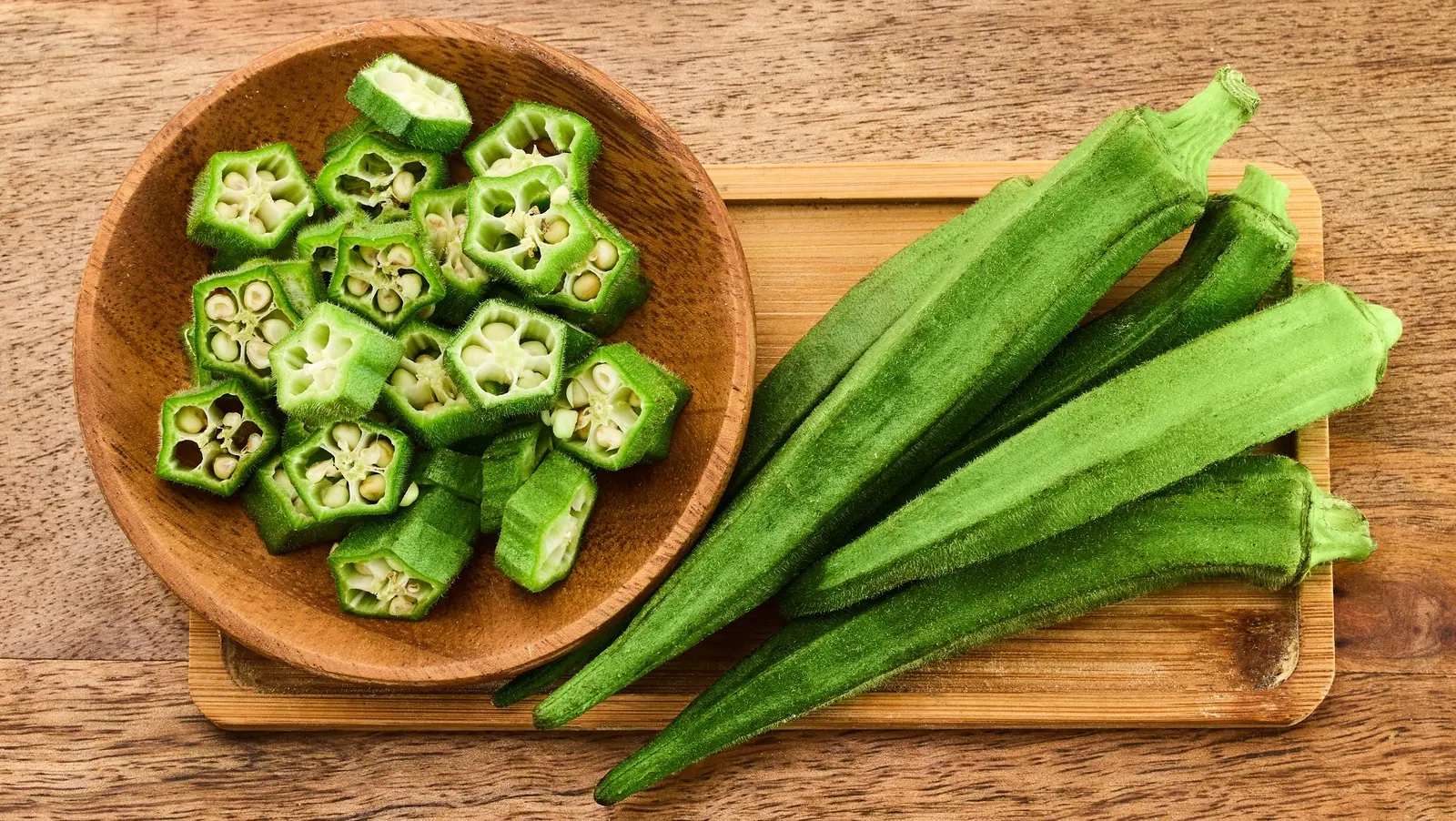
Why Nutrition Matters More After 50
Turning 50 does not mean that a woman will suddenly experience a decline in health. Many women remain active and energetic well beyond this age. Nevertheless, the years around and after menopause can bring changes that make certain nutritional needs more important.
One major concern is bone health. Estrogen plays a role in maintaining bone density, and its levels fall significantly during menopause. As a result, women can lose bone mass more quickly during the years surrounding menopause. Adequate calcium, vitamin D, protein, and regular weight-bearing activity all help support healthy bones.
Heart health also deserves attention. Blood pressure and cholesterol levels can change with age, while factors such as physical activity, body weight, smoking, sleep, and family history influence cardiovascular risk. A diet rich in vegetables, fruit, whole grains, beans, and other fiber-containing foods can contribute to a heart-friendly lifestyle.
Digestion is another area where dietary habits matter. Some older adults experience constipation or changes in bowel regularity. Eating enough fiber, drinking sufficient fluids, and staying physically active can help support normal bowel function.
Blood sugar management is equally important. The risk of developing type 2 diabetes increases with age, although it is not inevitable. Eating balanced meals that include fiber-rich vegetables, protein, and minimally processed carbohydrates can help support better blood glucose management.
This is where okra becomes interesting. It is not a complete solution to any of these concerns, but it contains nutrients that fit naturally into an eating pattern designed to support health as women grow older.
What Makes Okra So Nutritious?
Okra is a green vegetable with a distinctive shape, ridged skin, and small edible seeds inside. When cut, it releases a slightly thick, slippery substance known as mucilage. This natural texture is one of the vegetable’s most recognizable features.
That substance is not a sign that the vegetable has spoiled. It is part of okra’s natural composition and includes soluble fibers and other plant components.
Okra provides several nutrients that can contribute to a balanced diet:
-
Dietary fiber: Supports digestion and helps make meals more filling.
-
Vitamin C: Contributes to normal immune function and collagen formation.
-
Vitamin K: Plays a role in normal blood clotting and bone metabolism.
-
Folate: Helps the body make DNA and supports normal cell division.
-
Potassium: Helps regulate fluid balance and supports normal muscle and nerve function.
-
Magnesium: Contributes to normal muscle, nerve, and bone function.
-
Plant antioxidants: Include compounds that help protect cells from oxidative damage.
The exact nutrient content depends on the variety, growing conditions, serving size, and cooking method. Fresh okra is also naturally low in calories, making it a useful ingredient for people who want to add more vegetables to their meals without significantly increasing their energy intake.
The most important point is that okra offers several useful nutrients together. It is not necessary to think of it as a special treatment or a food that works in isolation. Its benefits are best understood as part of a varied diet.
1. Okra’s Fiber Can Help Support Better Digestion
One of the strongest nutritional reasons to eat okra is its fiber content. Fiber is essential for digestive health, yet many people do not consume enough of it each day.
There are two broad types of dietary fiber: soluble and insoluble. Both are useful, although they work in somewhat different ways.
Soluble fiber absorbs water and forms a gel-like substance in the digestive tract. This can help soften the contents of the intestine and influence how quickly certain nutrients are absorbed. Insoluble fiber adds bulk to stool and helps support regular bowel movements.
Okra contains both types of fiber. Its naturally slippery texture is partly associated with soluble components, which is why the vegetable becomes thicker when boiled or simmered.
For women over 50, this can be useful because constipation may become more common with changes in activity levels, eating habits, medications, and other aspects of health. Adding fiber-rich foods such as okra, beans, lentils, vegetables, and whole grains may help improve overall fiber intake.
However, fiber works best when introduced gradually. Someone who suddenly increases their fiber intake may experience bloating, gas, or abdominal discomfort. A gradual increase gives the digestive system time to adjust.
Drinking enough water is also important. Fiber absorbs water, and a diet that contains more fiber without sufficient fluids may not provide the expected digestive benefits.
Okra can be included in soups, stews, vegetable dishes, or lightly cooked meals. It does not need to be eaten in large quantities to contribute to a healthier eating pattern. A moderate serving alongside other vegetables can be a practical starting point.
It is also worth remembering that persistent constipation should not automatically be blamed on age or a lack of vegetables. New or severe constipation, blood in the stool, unexplained weight loss, or ongoing abdominal pain should be discussed with a healthcare professional.
2. It May Help Support Healthy Blood Sugar Levels
Blood sugar management becomes an increasingly important topic as people grow older. Some women may develop insulin resistance, prediabetes, or type 2 diabetes, while others simply want to maintain stable energy levels and healthy eating habits.
Okra has attracted scientific interest because of its soluble fiber and other plant compounds. Soluble fiber can slow the digestion and absorption of some carbohydrates, which may influence how quickly glucose enters the bloodstream after a meal.