🌿 A “Weed” With More Value Than You Think
Bull thistle (Cirsium vulgare) is often dismissed as nothing more than a prickly weed. Found growing along roadsides, fields, and disturbed land, it’s usually pulled out or avoided because of its sharp spines.
But here’s the surprising truth:
This wild plant has a long history of practical uses - from traditional remedies to edible applications.
When approached carefully and used correctly, bull thistle reveals a side that most people never notice.
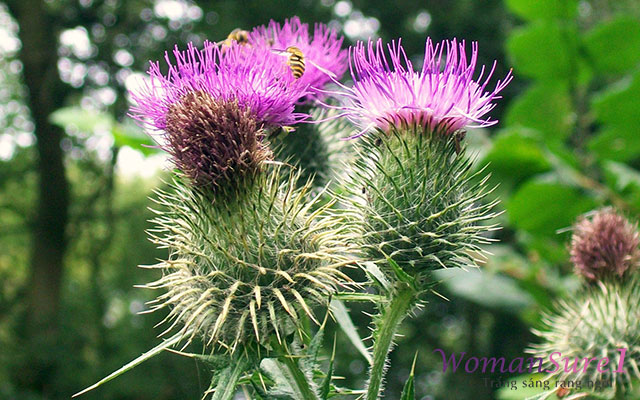
🔍 What Is Bull Thistle?
Bull thistle is a biennial plant known for:
- Tall, spiny stems
- Deeply lobed, prickly leaves
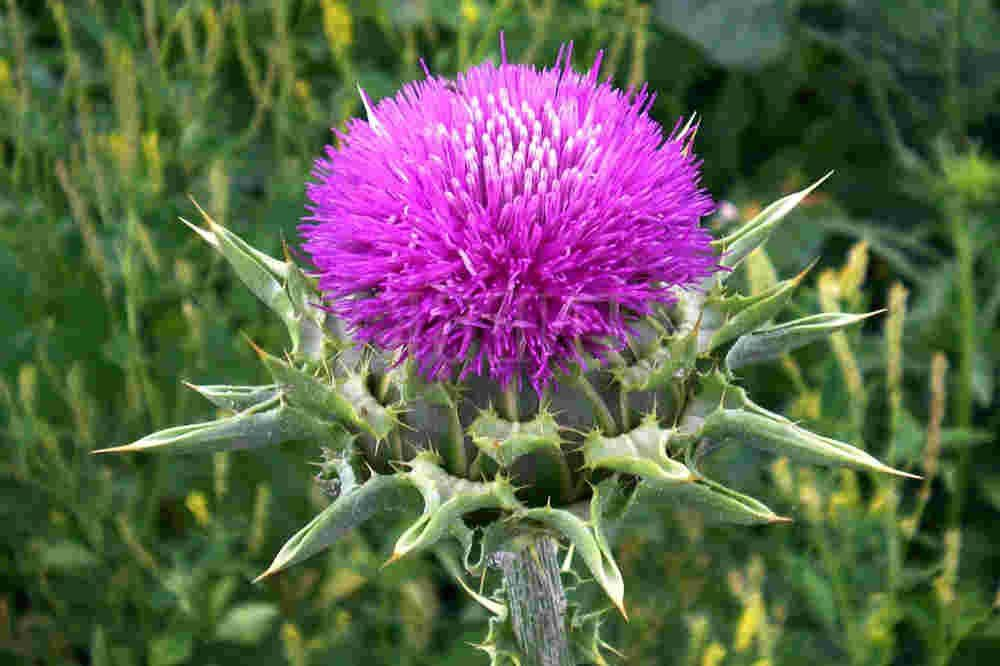
- Bright purple flower heads
It belongs to the same plant family as other thistles, many of which have been used in herbal traditions for centuries.
👉 Despite its rough appearance, it contains valuable natural compounds.
🥗 1. Edible Parts (With Proper Preparation)
Yes — parts of bull thistle are edible.
Commonly used parts include:
- Young stems
- Leaf midribs (after removing spines)
- Roots (in early growth stages)
Important:
- Spines must be carefully removed
- Cooking or peeling is usually required
These parts can be:
- Boiled
- Steamed
- Added to soups
👉 It’s a wild food source hiding in plain sight.
🍵 2. Traditional Herbal Uses
In some traditional practices, bull thistle has been used for its potential medicinal properties.
It has been associated with:
- Supporting digestion
- Mild detoxifying effects
- General wellness support
Leaves or roots may be used in herbal preparations like teas.
👉 While not a mainstream remedy, it has historical significance.
🛡️ 3. Rich in Natural Compounds
Like many wild plants, bull thistle contains:
- Antioxidants
- Plant-based nutrients
- Bioactive compounds
These may help:
- Protect cells from oxidative stress
- Support overall health
👉 Nature often hides powerful nutrients in unexpected places.
🐝 4. A Valuable Plant for the Ecosystem
Bull thistle isn’t just useful for humans — it plays an important role in nature.
It provides:
- Nectar for bees and pollinators
- Food sources for certain wildlife
👉 Supporting biodiversity and ecological balance.
⚠️ Important Safety Considerations
While bull thistle has benefits, caution is essential.
- Handle carefully to avoid injury from spines
- Ensure proper identification before use
- Avoid consuming if unsure or untrained
👉 Not all wild plants are safe — knowledge is key.
🌱 Why It’s Often Overlooked
Bull thistle is commonly ignored because:
- It looks aggressive and uninviting
- It grows in unmanaged areas
- It’s labeled as a weed
But many plants we call “weeds” actually have:
- Nutritional value
- Ecological importance
- Traditional uses
👉 Perspective changes everything.
🌿 A Lesson From Nature
Bull thistle is a reminder that not everything valuable looks appealing at first glance.
What seems rough, unwanted, or inconvenient can sometimes hold unexpected benefits — if you take the time to understand it.
🌱 Final Thoughts
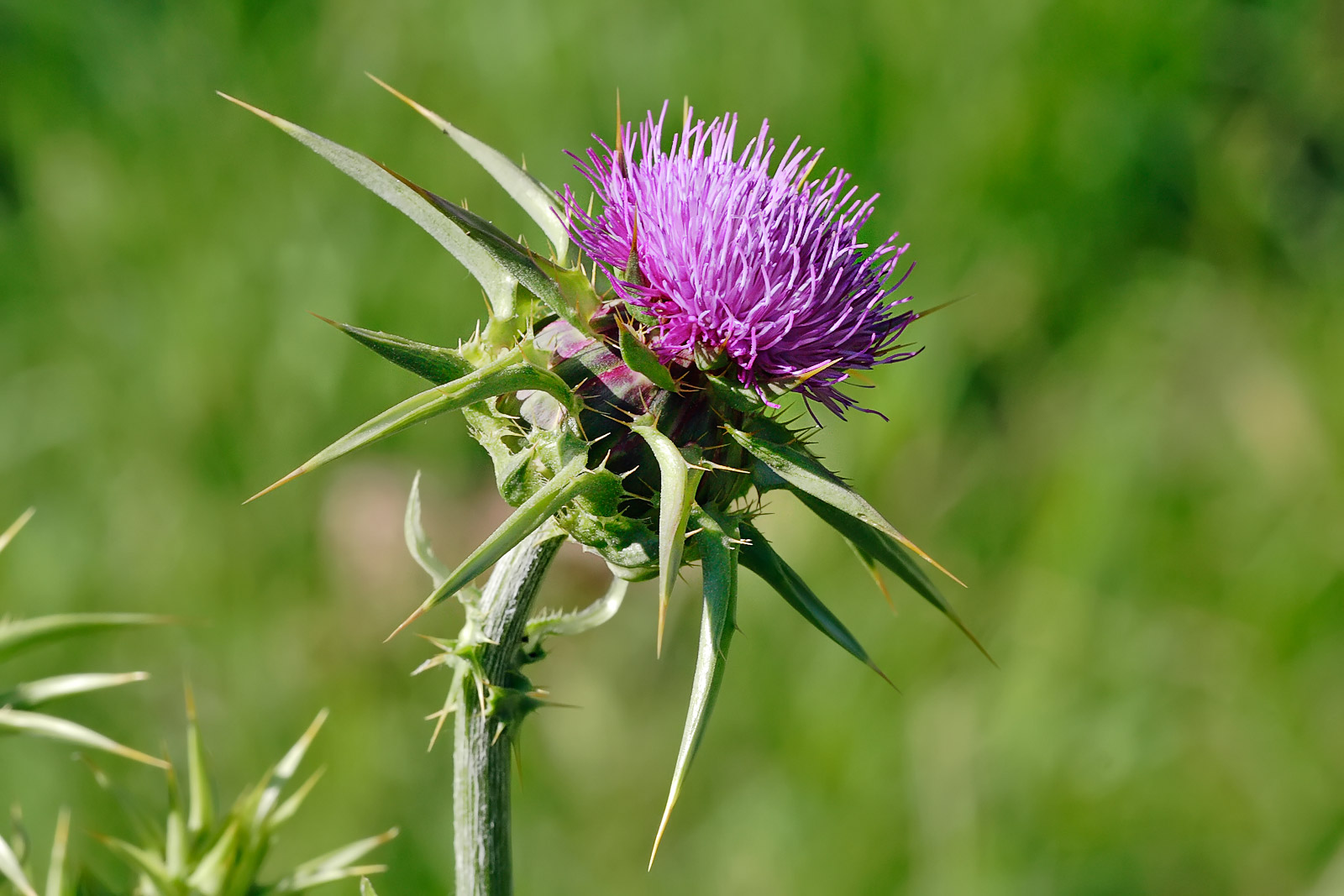
Bull thistle (Cirsium vulgare) may not win any beauty contests, but it offers more than meets the eye.
From edible uses to ecological importance, it stands as an example of how nature provides resources in even the most overlooked places.
So next time you see this spiky plant growing wild, don’t just walk past it.
Because sometimes, the most underestimated things carry the most surprising value.