Remember the day you brought your dog home? You can probably paint a pretty clear picture, whether it’s a wagging tail, a nervous side eye, or your pure joy. But does your dog hold onto those same memories? Dogs’ short-term memory is fleeting, and their long-term memory is a web of associations rather than a movie-like memory.
We’re a little fuzzy on all the details, says . But your dog definitely recognizes and remembers you. Sure, they may not recall the exact moment you met, but they associate you with positive feelings, treats, playtime, and all the good stuff that comes with being part of the family.
Below, learn more about your dog’s memory and how to make it even better
How Do Dogs’ Memories Work?
When we talk about memory, we’re usually referring to the ability to relive past our moments in detail, called episodic memories. But dogs experience memories differently. They rely less on recall and more on associations related to the emotions they felt (this place made me feel scared, happy, or anxious) or their core needs (when this happened, I was given food).
This doesn’t mean your dog doesn’t remember you. Instead, they connect you to positive feelings and experiences rather than replaying specific events.
For instance, when you think of a walk with your dog, you might recall the specifics about the walk (weather, path, walking outfit).
But for dogs, that walk is less about replaying the individual details and more about the outcomes of the walk. Did it mean treats? Belly rubs? Playtime with other dogs? Ultimately, these emotions become associated with you, which helps build a positive bond with your dog.
What Do Dogs Remember About Us?
MRIs of the brain show that dogs have brain anatomy similar to humans. The biggest difference between your brain and your pup’s? Dogs have larger olfactory systems (AKA the part of the brain responsible for scent).
“Dog’s is phenomenal,” Ehrenzweig explains. “It’s their strongest memory trigger.” Additionally, Ehrendogs might also but it likely holds less weight in their memory compared to other things, like the sound of your voice.
Together, all these factors build recognizable markers for dogs, associating you with feel-good emotions and outcomes, even if you two have gone a while without seeing one another. So if you’re worried your dog won’t remember you after a physical change, like an injury or surgery, it’s unlikely.
How Long Do Dogs Remember People?
Your dog might not remember the details of the things you do together, and they likely don’t recall the specifics of puppyhood. In fact, your dog might have forgotten they saw you leave the house; they have a short-term memory of about two minutes.
But fear not; the associations they build can last a lifetime. Ehrenzweig says dogs can even recognize people and animals they might not have seen for years. They also extended periods.
Unfortunately, dogs’ memories can decline with age. Ehrenzweig explains that around 60% of animals show signs of cognitive decline, an Alzheimer ’s-like disease affecting pets. It generally affects around eight years of age and as early as five. Along with other behavioral changes, a pup’s tends to decline with , which gets in the way of retrieving and forming memories.
Do Dogs Remember Bad Experiences?
Dogs form positive and negative associations based on past experiences. For example, formerly mistreated dogs might show when they experience a similar context, even if they don’t recall the specific details of the trauma. This doesn’t necessarily mean they’reor consciously reliving the experience. Instead, a trigger (a place, activity, or even body language) has become associated with negative emotions.
You can help dogs overcome negative associations by replacing them with positive ones. This training technique is called desensitization and counterconditioning, which can look like the following.
- Slowly introduce your dog to the negative trigger
- Reward them for their progress
- Be gentle and go slow
iStock/Lenti Hill
How Can I Improve My Dog’s Memory?
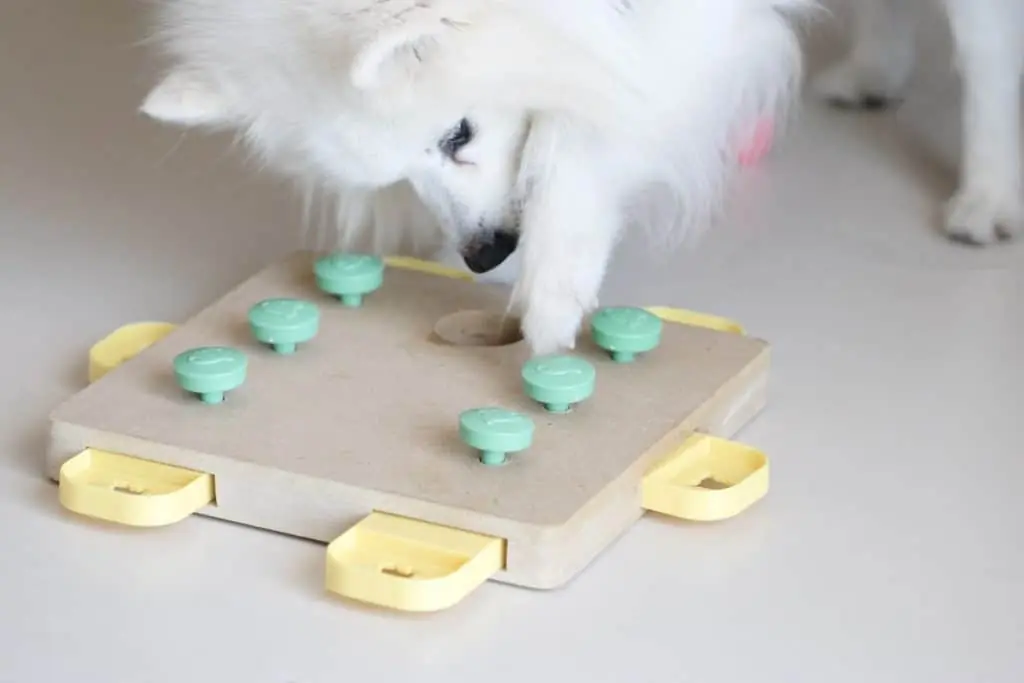
You can make good memories with your dog by building as many positive associations as you can with them. However, sometimes they fail to remember those fun moments. Here’s how you can improve your dog’s memory. With these tricks, your pup is sure to remember all the good times you two have had together.
-
- Take an active role in basic care (feeding and walking)
- Carve out time for fun activities together
- Exercise their brain with