WHAT DO THOSE TWO “DIMPLES” ON YOUR LOWER BACK REALLY MEAN?

4
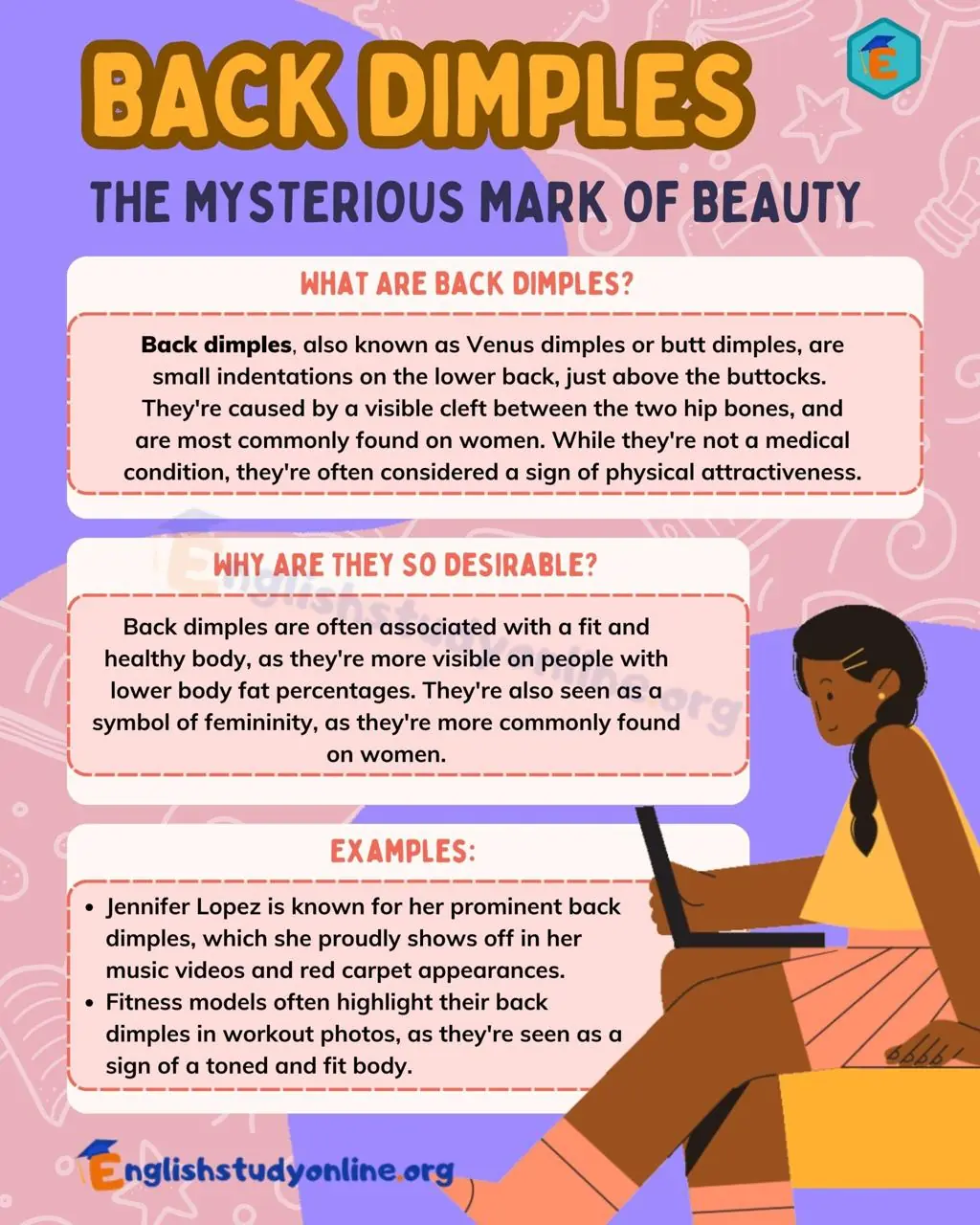
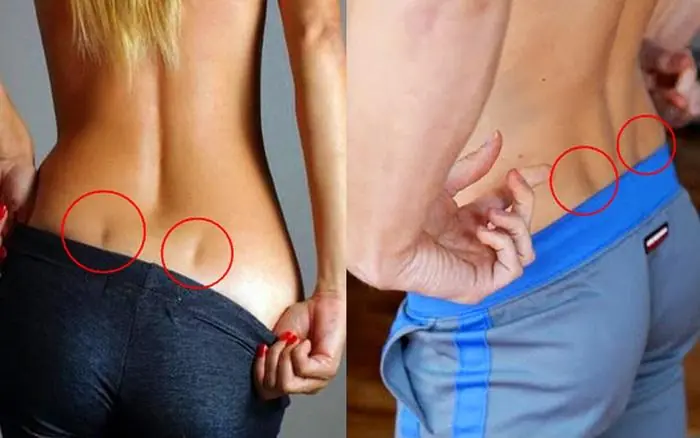
If you’ve ever noticed two small indentations on the lower part of your back—right above the hips—you might have wondered what they are. Social media loves to hype them up, calling them “Venus dimples” in women and “Apollo dimples” in men, often associating them with beauty, fitness, or even mysterious health benefits.
But let’s cut through the noise and get real: these dimples are completely normal anatomical features. No magic, no secret powers—just human biology doing its thing.
1. WHAT ARE THESE DIMPLES, EXACTLY?
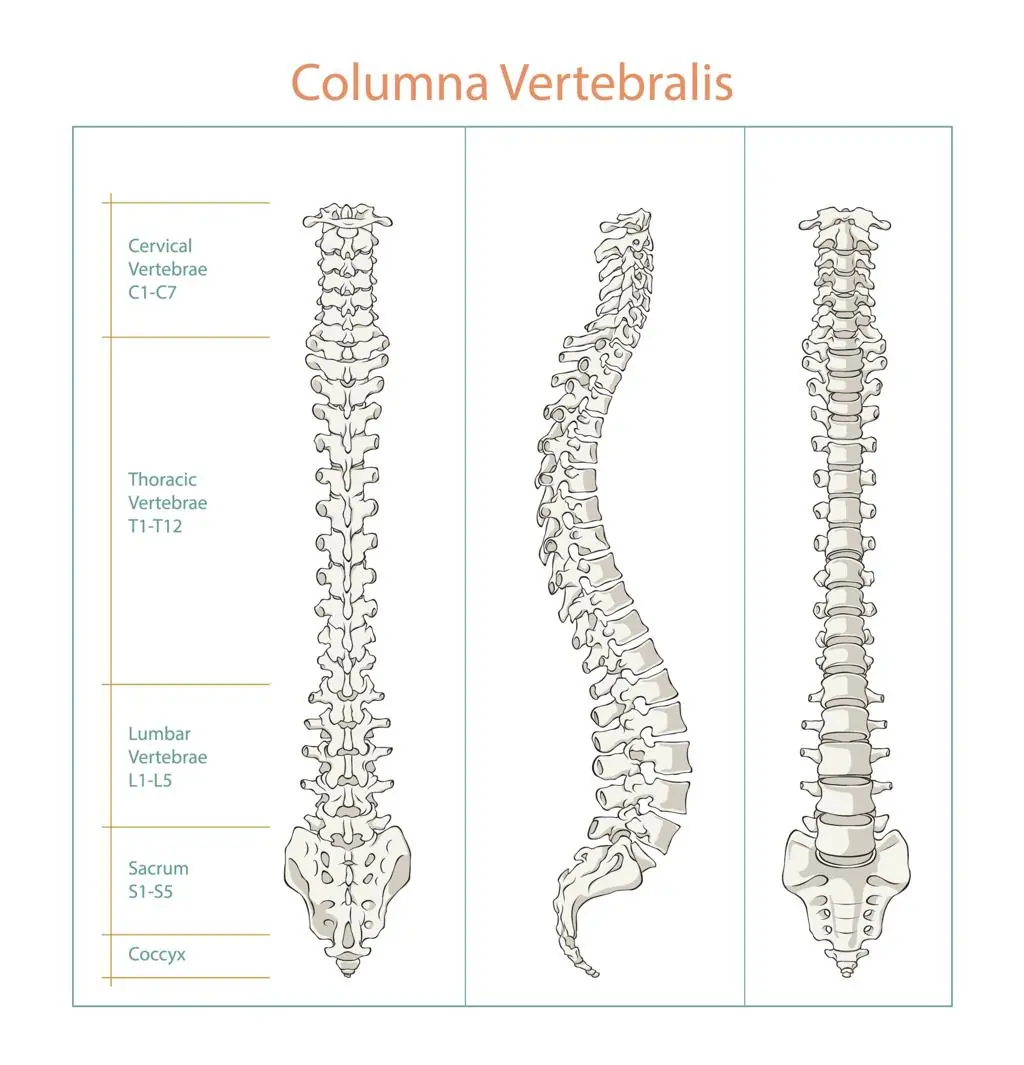
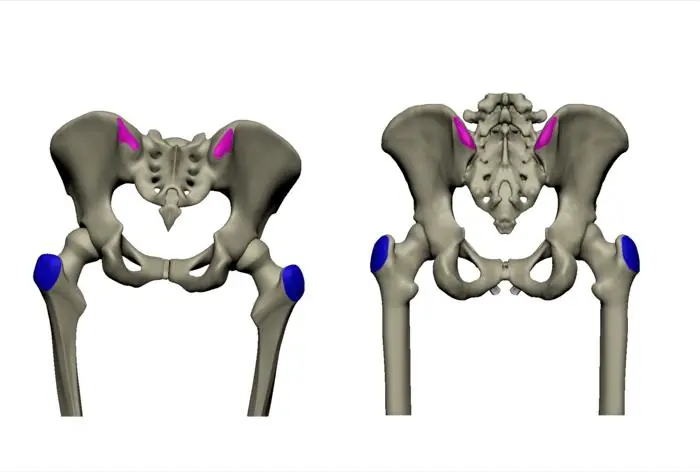
Those two indentations are located over a bony landmark called the posterior superior iliac spine (PSIS)—part of your pelvic bone.
In simpler terms:
They appear where your skin is tethered more tightly to the underlying bone.
Some people have visible dimples there, others don’t. And that difference? It mostly comes down to genetics and body composition, not effort or lifestyle.
2. ARE THEY A SIGN OF BEAUTY OR FITNESS?


4
Let’s be honest—these dimples are often labeled as “attractive.” That’s why they’ve gone viral so many times. But here’s the truth:
- They are not a reliable indicator of fitness
- They are not proof of being “in shape”
- They don’t automatically mean low body fat
However, they may be more visible in people with lower body fat or toned muscles because there’s less tissue covering the area. That’s why athletes or people who work out often seem to have them more clearly.
Still, some people naturally have them even without exercising, while others never develop them no matter how fit they are.
3. DO THEY HAVE ANY HEALTH SIGNIFICANCE?
Short answer: No—at least not directly.
There’s a popular myth online that these dimples are linked to:
- Better circulation
- Strong reproductive health
- Higher libido
But none of that is backed by solid medical evidence.
From a clinical standpoint, these dimples are simply surface landmarks used by doctors. They can help locate certain parts of the pelvis during physical exams or procedures, but that’s about it.
4. CAN YOU “GET” THESE DIMPLES THROUGH EXERCISE?

4
This is where a lot of misinformation spreads.
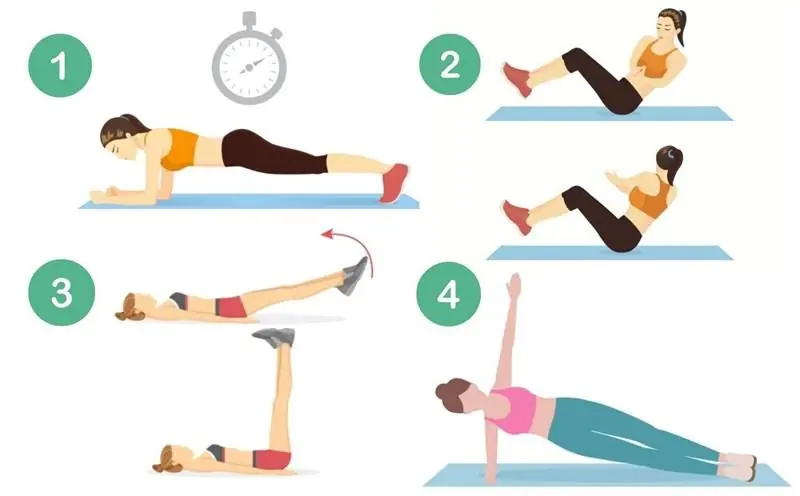
You might see workouts claiming to “create” Venus dimples—but here’s the reality:
- You can’t target fat loss in one specific spot
- You can’t create bone structure through exercise
What you can do:
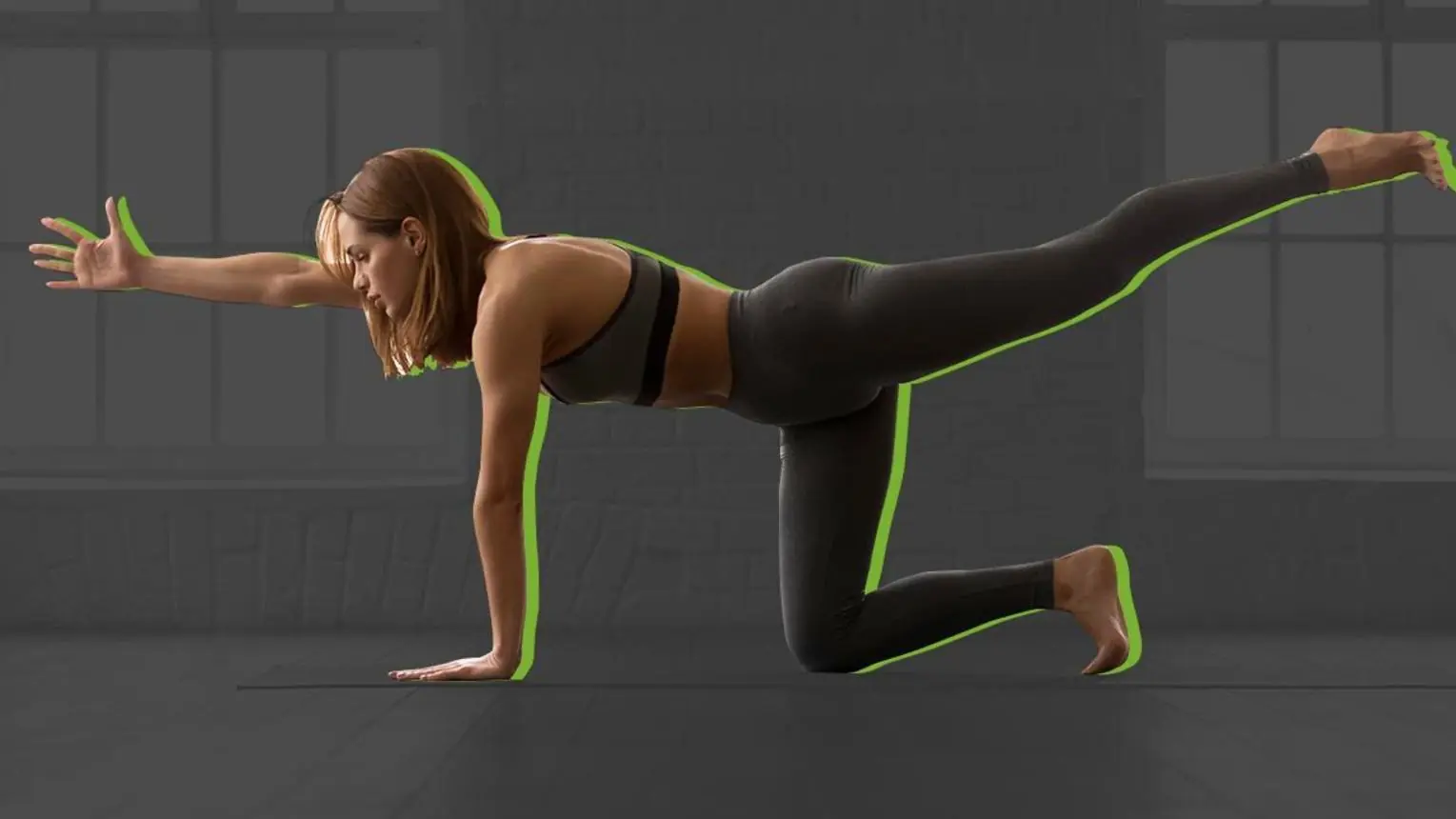
- Strengthen your lower back and core
- Reduce overall body fat
- Improve muscle definition
These changes might make existing dimples more noticeable, but they won’t magically appear if your anatomy doesn’t naturally support them.
5. WHY DO SOME PEOPLE HAVE THEM AND OTHERS DON’T?

4
It all comes down to individual variation:
- Genetics – determines bone structure and skin attachment
- Fat distribution – affects how visible the indentations are
- Muscle tone – can enhance or soften the appearance
Think of it like dimples on your face. Some people have them, some don’t. Neither is better—it’s just diversity in human bodies.
6. SHOULD YOU BE WORRIED IF YOU DON’T HAVE THEM?
Absolutely not.
There’s zero health risk associated with not having these dimples. They’re not a requirement for being healthy, attractive, or fit.
Chasing them purely because of trends can lead to unrealistic expectations. Your body doesn’t need to match a viral image to be considered “good.”
7. WHEN SHOULD YOU PAY ATTENTION TO YOUR LOWER BACK?
While these dimples themselves are harmless, your lower back health does matter.
Watch out for:
- Persistent pain
- Stiffness or reduced mobility
- Sharp or radiating discomfort
Those are actual signals worth noticing—and they have nothing to do with whether dimples are present.
FINAL TAKE
Those two little dimples on your lower back?
They’re just a natural anatomical feature—nothing more, nothing less.
Yes, they can look aesthetically pleasing. Yes, they might stand out more in certain body types. But they don’t define health, fitness, or attractiveness.
Bodies aren’t trends.
And not every feature needs a deeper meaning.
Sometimes, it’s just biology keeping things simple.
8. WHAT LIES BENEATH THE SURFACE OF YOUR LOWER BACK?
To understand why these two small indentations appear, it helps to take a closer look at the structures beneath your skin.
Your lower back is not simply a flat area of muscle and tissue. It contains several interconnected structures that support your body, help you maintain balance, and allow you to move.
The most important structures involved in the appearance of lower-back dimples are the pelvis, sacrum, surrounding muscles, connective tissues, and skin.
The pelvis is a large, bowl-shaped structure made up of several bones. It supports the weight of your upper body and transfers that weight to your legs when you stand, walk, or run.
At the back of the pelvis are two prominent anatomical landmarks called the posterior superior iliac spines, commonly abbreviated as PSIS.
These landmarks are located on the left and right sides of the sacrum, near the upper part of the buttocks.
In some people, the skin and connective tissue over these landmarks create visible indentations.
This is why the dimples tend to appear symmetrically on both sides of the lower back.