Few nutrition claims are as alarming as the idea that certain fruits can somehow “feed cancer cells.” Because cancer cells use glucose for energy, headlines sometimes suggest that eating sweet fruits gives tumors exactly what they need to grow.
That sounds convincing at first—but the science is much more complicated.
The truth is that fruits are not simply “cancer-feeding foods,” and there is no strong evidence that people should routinely eliminate specific fruits to starve cancer. In fact, whole fruits provide fiber, vitamins, minerals, and numerous plant compounds that can be part of a healthy eating pattern.
For someone living with cancer, however, nutrition can become more complicated. Certain foods may need to be limited for reasons related to treatment, medication interactions, blood sugar management, digestive symptoms, or individual medical conditions.
So before removing bananas, grapes, mangoes, or any other fruit from your diet, it is worth understanding what the phrase “feed cancer cells” actually means.
Why Do People Say Sugar Feeds Cancer?
The claim comes from a real biological observation that is often oversimplified.
Cancer cells, like normal cells, require energy. Glucose is one source of energy used by cells throughout the body.
Some cancer cells also consume glucose at unusually high rates. This metabolic behavior is associated with what scientists call the Warburg effect, in which many cancer cells rely heavily on glycolysis even when oxygen is available.
This does not mean that eating sugar directly causes a tumor to grow.
Your body carefully regulates blood glucose. When you eat carbohydrates—including those found naturally in fruit—your digestive system breaks some of them down into glucose and other sugars. The resulting glucose enters the bloodstream and is distributed throughout the body.
You cannot simply direct glucose away from cancer cells by eliminating fruit.
Your brain, muscles, red blood cells, and many other tissues also need glucose or can use energy derived from carbohydrates.
So, Can Fruit “Feed” Cancer?
The short answer is: not in the simplistic way social-media headlines often suggest.
Eating a piece of fruit does not selectively nourish cancer cells while starving healthy cells.
Your body doesn't work like a fuel delivery system in which one particular food goes directly to a tumor.
Even if you dramatically reduce dietary carbohydrates, your body can still produce glucose from other sources through metabolic processes such as gluconeogenesis.
That is one reason the idea of starving cancer simply by avoiding fruit is misleading.
More importantly, cancer is not one single disease. Different cancers have different biological characteristics, and treatment plans vary enormously from one person to another.
What About Naturally Sweet Fruits?
Fruits such as bananas, grapes, mangoes, pineapples, and cherries can taste quite sweet.
That doesn't automatically make them unhealthy.
Whole fruit contains naturally occurring sugars, but it also contains fiber, water, vitamins, minerals, and phytochemicals.
Fiber slows digestion and contributes to fullness, while the food's overall structure affects how quickly its carbohydrates are absorbed.
This is very different from consuming a concentrated source of added sugar, such as sugary soda, candy, or desserts.
So saying that a sweet fruit is equivalent to a sugary beverage because both contain sugar misses an important nutritional distinction.
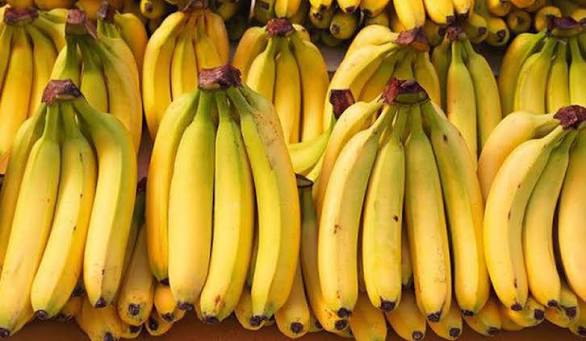
1. Bananas
Bananas are frequently mentioned in online discussions about cancer because they contain carbohydrates and natural sugars.
But a banana is much more than its sugar content.
It provides:
-
Dietary fiber
-
Potassium
-
Vitamin B6
-
Vitamin C
-
Other plant compounds
For many people, bananas can be a convenient and nutritious snack.
The carbohydrate content may matter for someone who needs to carefully manage blood glucose, but that is a different issue from saying bananas feed cancer cells.
If someone undergoing cancer treatment has diabetes or treatment-related changes in blood sugar, their healthcare team may recommend an individualized eating pattern.
That doesn't mean bananas are inherently dangerous for people with cancer.
2. Grapes
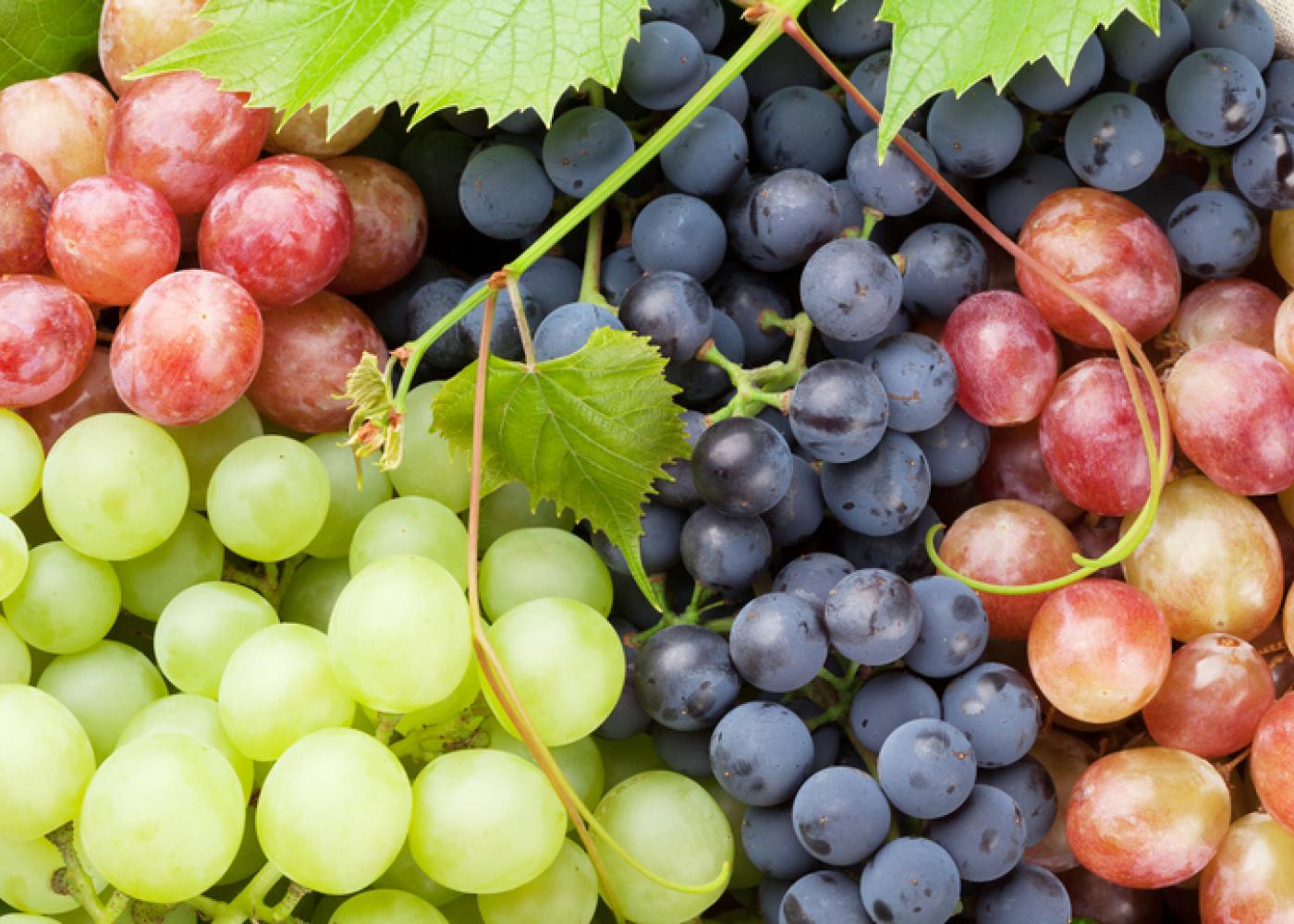
Grapes are another fruit sometimes portrayed negatively because they contain natural sugars.
But grapes also contain water, fiber, vitamins, and various plant compounds, including polyphenols.
Research into compounds found in grapes and other plants has generated interest in laboratory studies involving cancer biology.
However, there is an important distinction:
A compound showing an effect on cancer cells in a laboratory experiment is not the same thing as eating grapes preventing or treating cancer.
The dose, metabolism, absorption, and biological environment can be completely different.
Therefore, it would be misleading to claim that grapes either cure cancer or necessarily make cancer worse.
For most people, whole grapes can be part of a balanced diet.
3. Mangoes
Mangoes are naturally sweet and contain carbohydrates, which has led some online articles to place them on lists of supposedly dangerous fruits.
But mangoes also provide:
-
Vitamin C
-
Vitamin A precursors
-
Folate
-
Fiber
-
Various plant compounds
The fact that mango contains sugar doesn't mean that eating mango causes cancer cells to multiply.
As with other fruits, portion size and overall dietary pattern matter more than demonizing one food.
Someone with specific nutritional needs may need individualized advice about portions or carbohydrate intake, particularly if they have diabetes or treatment-related metabolic changes.
But that is very different from saying that mango should be avoided because it “feeds cancer.”
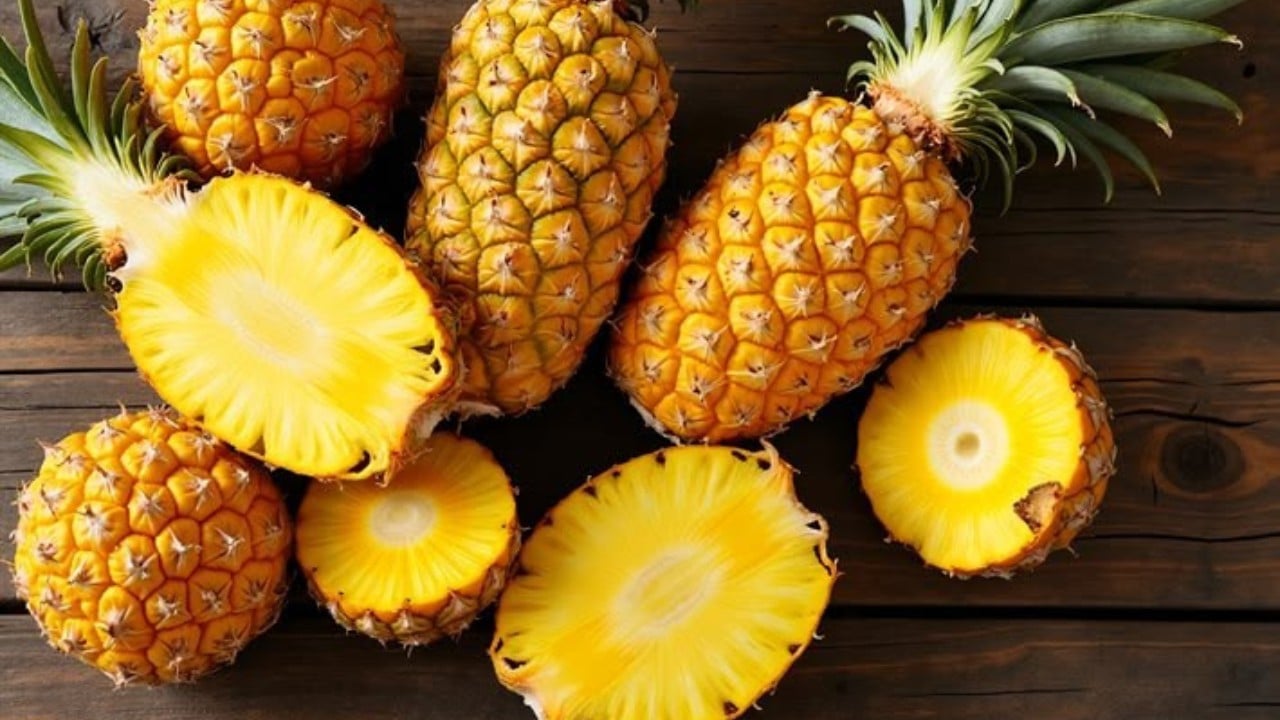
4. Pineapple
Pineapple is another fruit that often gets caught up in online discussions about sugar and cancer.
It contains natural sugars, but it also provides vitamin C, water, fiber, and other plant compounds.
Pineapple is also notable for containing bromelain, a group of enzymes that has been studied for various biological effects.
Research involving bromelain and cancer is interesting, but much of the evidence is laboratory or preclinical research.
That doesn't establish pineapple as a cancer treatment.
At the same time, there is no good reason to classify ordinary servings of whole pineapple as a food that inherently “feeds cancer cells.”
Whole Fruit Is Different From Fruit Juice
One distinction that really does matter is whole fruit versus juice.
When you eat a whole piece of fruit, you're consuming its natural structure and fiber.
Fruit juice, even when it contains no added sugar, is more concentrated and usually provides less fiber per serving.
It's much easier to consume the equivalent of several pieces of fruit in a glass of juice than it is to eat all that fruit whole.
This can make a difference for blood sugar, calorie intake, and fullness.
For everyday nutrition, whole fruit is generally the more useful choice.
That doesn't mean fruit juice is automatically harmful.
It simply means it should not necessarily be treated as nutritionally identical to whole fruit.
What About Dried Fruit?
Dried fruit is another case where portion size matters.
Removing water concentrates the fruit's sugars and calories.
A small handful of raisins, for example, represents much more fruit than the same volume of fresh grapes.
Dried fruit can still provide fiber and nutrients, but it is easier to overeat.
For someone managing blood glucose or calorie intake, portion control can therefore become especially important.
Again, this is a question of overall nutrition and individual needs, not evidence that dried fruit directly feeds tumors.
Cancer Nutrition Is About More Than Sugar
Cancer can significantly affect nutritional needs.
Some people lose weight unintentionally.
Others experience nausea, reduced appetite, taste changes, difficulty swallowing, diarrhea, constipation, or other treatment-related problems.
In these situations, the priority may actually be getting enough calories, protein, fluids, and nutrients.
Trying to eliminate every food that contains natural sugar can sometimes make an already difficult nutritional situation worse.
For someone struggling to maintain weight during treatment, unnecessarily restricting nutritious foods may not be helpful.
This is why cancer nutrition should be individualized rather than based on viral lists of “forbidden foods.”
Your Body Needs Energy During Treatment
Cancer treatment can place considerable demands on the body.
Depending on the cancer and treatment, maintaining adequate nutrition can help support strength and daily functioning.
Protein-rich foods may be important for maintaining muscle.
Adequate calories can help prevent unwanted weight loss.
Fluids help support hydration.
Fruits and vegetables can contribute vitamins, minerals, fiber, and plant compounds.
The precise diet depends on the individual.
Someone undergoing chemotherapy may have very different nutritional challenges from someone recovering from surgery or receiving radiation therapy.
There is no universal cancer diet that works for everyone.
Why Eliminating Fruit Can Backfire
Imagine someone reads that fruit “feeds cancer.”
They become frightened and remove every banana, apple, orange, berry, and other fruit from their diet.
But what replaces those foods?
If fruit is replaced with highly processed foods, refined carbohydrates, or calorie-dense snacks, the overall diet may actually become less nutritious.
Fear-based dietary restrictions can also make eating more stressful.
For someone already dealing with cancer treatment, maintaining a sustainable and nourishing eating pattern is often more practical than following increasingly restrictive food rules.
What the Research Really Tells Us
There is substantial scientific interest in the relationship between diet, metabolism, and cancer.
Researchers study how dietary patterns, body weight, insulin regulation, inflammation, physical activity, and other factors may influence cancer risk and outcomes.
But this research does not translate into a simple list of four fruits that all cancer patients must avoid.
Cancer biology is complex.
Tumors can differ in their genetics, metabolism, location, and response to treatment.
A dietary intervention that looks promising in a cell culture or animal model may not produce the same effect in humans.
This distinction is essential when evaluating nutrition claims online.
Be Careful With “Miracle” Cancer Diets
Whenever an article promises that a particular food can starve cancer, kill tumors, or reverse cancer naturally, it's worth becoming skeptical.
Cancer treatment should be based on evidence appropriate to the specific diagnosis.
Nutrition can play an important supportive role, but food should not be presented as a replacement for chemotherapy, radiation, surgery, immunotherapy, targeted therapy, or other medically indicated treatments.
Likewise, someone should not stop prescribed medication because an online article claims that a particular fruit, herb, or supplement works better.
When Certain Fruits May Actually Need Attention
There are legitimate situations where a person with cancer may need to modify their fruit intake.
For example, someone may need to manage:
Blood glucose: Certain treatments or underlying diabetes can affect blood sugar.
Digestive symptoms: Diarrhea, constipation, mouth sores, or gastrointestinal sensitivity may influence which fruits are easiest to tolerate.
Food safety: Some people undergoing intensive cancer treatment may receive specific food-safety recommendations from their medical team.
Medication interactions: Certain fruits or fruit products can interact with medications. Grapefruit is a well-known example because it can affect enzymes involved in the metabolism of some drugs.
These are real considerations—but they're very different from the claim that fruit generally “feeds cancer.”
What Should You Eat Instead?
Rather than focusing on four supposedly dangerous fruits, think about building a balanced dietary pattern.
Depending on your individual needs, that might include:
-
A variety of vegetables
-
Whole fruits
-
Whole grains
-
Beans and lentils
-
Nuts and seeds
-
Fish, poultry, eggs, or other protein sources
-
Dairy or suitable alternatives
-
Adequate fluids
The proportions and specific foods can be adjusted according to your health status and treatment plan.
If eating has become difficult during cancer treatment, a registered dietitian specializing in oncology can provide much more useful guidance than a generic internet food list.
The Importance of Individual Medical Advice
Two people with cancer can have completely different nutritional requirements.
One person may need help gaining weight.
Another may need to manage blood glucose.
Someone else may have difficulty swallowing.
Another may experience severe digestive symptoms.
Their diets shouldn't necessarily look the same.
That's why it's important to discuss major dietary changes with your oncologist or an oncology dietitian.
Your diagnosis, treatment, medications, symptoms, and nutritional status all matter.
The Bottom Line
The claim that four particular fruits “feed cancer cells” is an oversimplification of cancer metabolism.
Cancer cells can use glucose, but that doesn't mean eating fruit selectively nourishes tumors. Your body regulates blood glucose and can produce glucose from other sources even when dietary carbohydrates are restricted.
Bananas, grapes, mangoes, and pineapple all contain natural sugars, but they also provide nutrients and plant compounds that can fit into a balanced diet.
That doesn't mean every fruit is appropriate for every person in every situation.
Individual circumstances matter—especially during cancer treatment.
If you're living with cancer, don't eliminate nutritious foods based on a frightening headline alone. Ask your healthcare team what makes sense for your specific diagnosis and treatment.
The most useful approach isn't to fear every gram of natural sugar.
It's to focus on adequate nutrition, overall dietary quality, treatment-specific needs, and evidence-based medical care.
Because when it comes to cancer and nutrition, the truth is rarely as simple as “this food feeds cancer” or “that food kills cancer.” The real story is much more nuanced—and understanding that difference can help you make better decisions about your health.