If You Urinate in the Shower, This Is What Can Happen
It’s a habit many people don’t openly talk about—but surveys suggest it’s surprisingly common. Urinating in the shower is often seen as harmless, convenient, and even more hygienic than using the toilet. But is it really as safe as people think?
The answer is more nuanced than a simple yes or no. While it’s unlikely to cause serious harm in most cases, there are a few health and hygiene considerations worth knowing.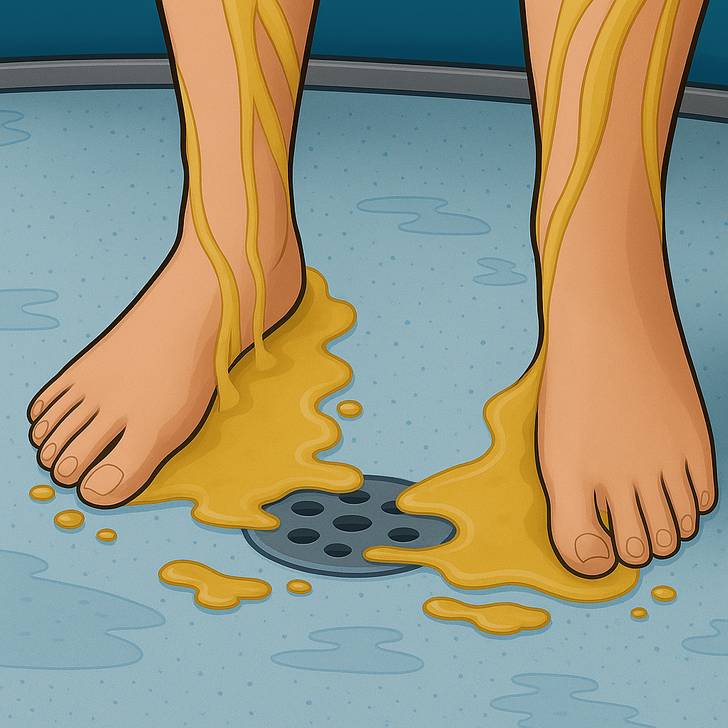
Is It Hygienic?
From a purely biological standpoint, urine is typically sterile in healthy individuals. According to the Cleveland Clinic, urine usually doesn’t contain harmful bacteria unless a person has an infection.
Because of this, urinating in the shower is generally not considered dangerous—especially since water immediately washes it down the drain. However, this doesn’t mean it’s entirely risk-free.
Potential Skin and Infection Concerns
If you have cuts, open wounds, or a urinary tract infection, urine may contain bacteria that could irritate the skin or increase the risk of infection. The National Health Service notes that bacteria can be present in urine when infections are involved, which changes the hygiene equation.
In shared showers—such as gyms or public facilities—this becomes more relevant, as bacteria can spread more easily in damp environments.
The Habit Factor

Some experts suggest there may be a behavioral aspect to consider. Conditioning your body to urinate whenever you hear running water could, over time, affect bladder control. While research is limited, some pelvic health specialists warn that this habit might contribute to urgency or difficulty holding urine in certain situations.