Have you ever noticed that you almost always fall asleep in the same position?
Maybe you curl up tightly on your side, stretch out across the entire bed, sleep flat on your back, or bury your face into the pillow. You might even change positions throughout the night without realizing it.
People have long been fascinated by the idea that the way we sleep can reveal something about our personality. Some popular theories claim that certain positions are associated with confidence, sensitivity, independence, or even laziness.
But there is an important distinction between sleeping-position folklore and scientific evidence.
There is no reliable scientific test that can determine whether someone is lazy, confident, shy, or outgoing simply by looking at how they sleep. Your preferred position is influenced by comfort, habits, body structure, pain, temperature, mattress quality, pregnancy, breathing patterns, and many other factors.
Still, different sleeping positions can be interesting to explore—and some may provide clues about your comfort preferences, sleep habits, and physical health.
So, how do you usually sleep?
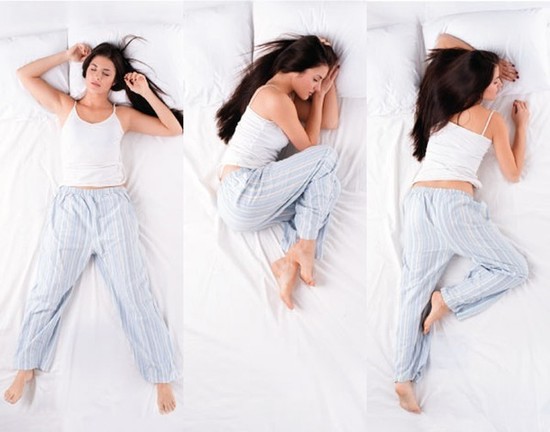
1. The Fetal Position
If you sleep on your side with your knees pulled toward your chest, you're using what's commonly called the fetal position.
It's one of the most common sleeping positions, particularly among side sleepers.
Popular personality interpretations often associate the fetal position with people who are sensitive, cautious, or comfort-seeking. Some descriptions even suggest that people who sleep tightly curled up are more reserved while those who curl up loosely may feel more secure.
These ideas can be fun to consider, but they shouldn't be treated as psychological facts.
Your preference for the fetal position may simply be because it feels comfortable.
Side sleeping can also be helpful for some people who experience certain types of snoring or sleep-disordered breathing. Keeping the body on its side may help prevent the airway from becoming as restricted as it can in some people when sleeping on their backs.
However, curling too tightly can sometimes make the neck, shoulders, or hips uncomfortable.
A pillow between the knees may help keep the hips and spine in a more comfortable position.
2. The Log Position
Some side sleepers lie relatively straight, with their arms resting close to the body.
This is sometimes called the log position because the body resembles a relatively straight line.
Popular sleep-personality theories often describe “log” sleepers as relaxed, sociable, or trusting.
Again, there is little evidence that sleeping this way actually reveals those personality characteristics.
From a physical perspective, however, side sleeping can be a comfortable choice for many people.
If you sleep on your side, your pillow should generally be high enough to keep your head and neck reasonably aligned rather than allowing the head to drop sharply toward the mattress.
Your mattress also matters.
If the shoulder and hip cannot sink appropriately, pressure may build up and cause discomfort during the night.
3. The Back Sleeper
Back sleepers lie flat with their face toward the ceiling.
Some people sleep with their arms resting beside their body, while others place their hands on their chest or above their head.
Personality theories sometimes associate back sleeping with confidence, independence, or a preference for personal space.
But once again, there is no strong scientific evidence that your sleeping position can reliably predict these traits.
From a health perspective, sleeping on your back has both potential advantages and disadvantages.
Keeping the spine relatively straight can be comfortable for some people, particularly when the mattress and pillow provide appropriate support.
However, sleeping on the back can make snoring and obstructive sleep apnea worse in some people because gravity can allow tissues around the upper airway to move backward.
If someone frequently snores loudly, gasps during sleep, experiences witnessed breathing pauses, or feels excessively sleepy during the day, changing sleep position alone may not be enough. Those symptoms deserve medical evaluation.
4. The Starfish Position
The “starfish” sleeper lies on their back with their arms and legs spread out.
It takes up considerably more space than many other positions.
Popular personality descriptions sometimes portray starfish sleepers as relaxed, open, or generous.
But once again, this is more of a cultural observation than established science.
There is nothing inherently wrong with taking up more space while sleeping—unless someone else is trying to share the bed.
For couples, sleep position can sometimes become a surprisingly important issue.
One person may naturally move toward the center while sleeping, while the other prefers to stay close to one side. Mattress size, temperature, movement, and individual sleep habits can all affect how much space each person occupies.
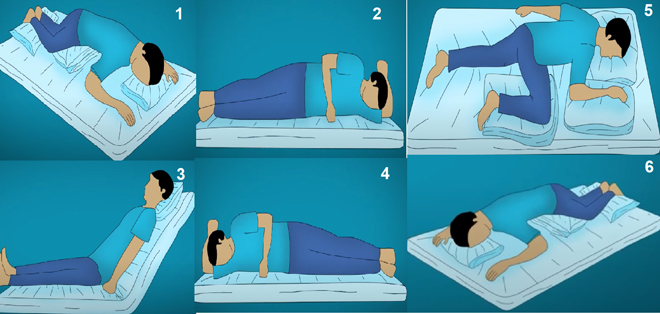
5. The Stomach Sleeper
Some people sleep primarily on their stomach with their head turned to one side.
This position may feel comfortable, but it can place the neck in a rotated position for long periods.
Depending on the individual, stomach sleeping may contribute to:
-
Neck stiffness
-
Shoulder discomfort
-
Lower-back discomfort
-
Muscle tension
A very thick pillow can increase the angle at which the neck is rotated.
If you naturally sleep on your stomach and wake up feeling comfortable, there's no need to assume that your position is automatically harmful. But if you consistently experience morning neck or back pain, your sleeping position, pillow, mattress, or other factors may be worth reconsidering.
6. The Freefall Position
Another variation of stomach sleeping involves turning the head to one side while placing the arms around or underneath the pillow.
This position is sometimes called the freefall position.
Popular personality theories may describe people who sleep this way as energetic, playful, or independent.
But there is no reliable evidence that this position determines those characteristics.
Physically, the same considerations associated with stomach sleeping apply. Keeping the neck rotated for hours can be uncomfortable for some people.
If you prefer this position, experimenting with pillow height and mattress support may help reduce strain.
7. The Yearner Position
The yearner is another side-sleeping position.
The sleeper lies on their side with their arms extended forward, sometimes as though reaching toward something.
Personality descriptions sometimes associate this position with openness combined with caution or indecision.
But again, these interpretations should be treated as entertainment rather than psychological assessment.
What may be more useful is noticing whether your extended arms are comfortable.
If your shoulder frequently feels numb, painful, or compressed, experiment with a different arm position or pillow arrangement.
8. The Pillow Hugger
Some people can't fall asleep without holding a pillow.
They may hug it against their chest, place it between their knees, or wrap their arms around it while sleeping on their side.
It may feel emotionally comforting, but that doesn't necessarily mean the person has a particular personality type.
There is a simple physical explanation, too.
A pillow between the knees can help some side sleepers feel more stable and comfortable. Hugging a pillow can also provide support for the upper arm and shoulder.
So what looks like a personality characteristic may simply be good sleep ergonomics.
Does Your Sleeping Position Really Reveal Your Personality?
This is where the popular claim needs some context.
You may see lists online claiming that sleeping positions reveal whether someone is:
-
Lazy
-
Intelligent
-
Confident
-
Introverted
-
Extroverted
-
Romantic
-
Stubborn
-
Creative
-
Emotionally sensitive
These descriptions can be entertaining, but there is not enough scientific evidence to use sleeping position as a reliable personality test.
Personality is complex.
Psychologists typically study personality using validated assessments and behavioral patterns across different situations—not by looking at how someone positions their arms and legs while unconscious.
Your sleeping position can change from night to night depending on:
-
Stress
-
Temperature
-
Pain
-
Pregnancy
-
Mattress firmness
-
Pillow height
-
Exercise
-
Alcohol consumption
-
Nasal congestion
-
Breathing difficulties
-
Injury
-
Sleep environment
That makes it difficult to use one position as a stable indicator of personality.
What Your Sleeping Position May Actually Tell You
Although your sleeping position cannot tell you whether you're “lazy,” it may provide useful information about comfort and health.
For example, if you consistently wake with neck pain, your pillow may not be providing appropriate support.
If you always sleep on your stomach and experience lower-back discomfort, experimenting with another position may help.
If you sleep on your back and regularly wake up choking, gasping, or feeling exhausted, the issue may be more than your sleeping position.
Your sleep position can therefore be a starting point for asking better questions about your sleep quality.
The Most Important Thing Is How You Feel in the Morning
Rather than worrying about whether your sleeping position says something about your personality, pay attention to what happens when you wake up.
Do you feel refreshed?
Or do you regularly wake up with:
-
Headaches
-
Dry mouth
-
Neck pain
-
Shoulder pain
-
Back pain
-
Excessive daytime sleepiness
-
Difficulty concentrating
-
Frequent nighttime awakenings
These symptoms may be more meaningful than whether you sleep like a “starfish” or a “log.”
Occasional tiredness is normal.
Persistent daytime exhaustion, particularly when combined with loud snoring or breathing pauses, can be a sign of a sleep disorder and should be discussed with a healthcare professional.
How to Make Your Sleeping Position More Comfortable
You don't necessarily need to force yourself into a completely different position.
Instead, make your preferred position work better for your body.
If You Sleep on Your Side
Try placing a pillow between your knees to improve comfort and reduce pressure around the hips.
Make sure your head pillow provides enough support to keep your neck reasonably aligned.
If You Sleep on Your Back
A pillow beneath the knees may feel comfortable for some people and can reduce strain on the lower back.
If you snore heavily or have symptoms suggestive of sleep apnea, discuss them with a healthcare professional.
If You Sleep on Your Stomach
Consider using a relatively thin pillow—or experimenting with a different position if you frequently wake with neck or back discomfort.
If You Move Around During Sleep
Don't worry.
Most people change position during the night.
There is no requirement to remain in one position from the moment you fall asleep until the moment you wake up.
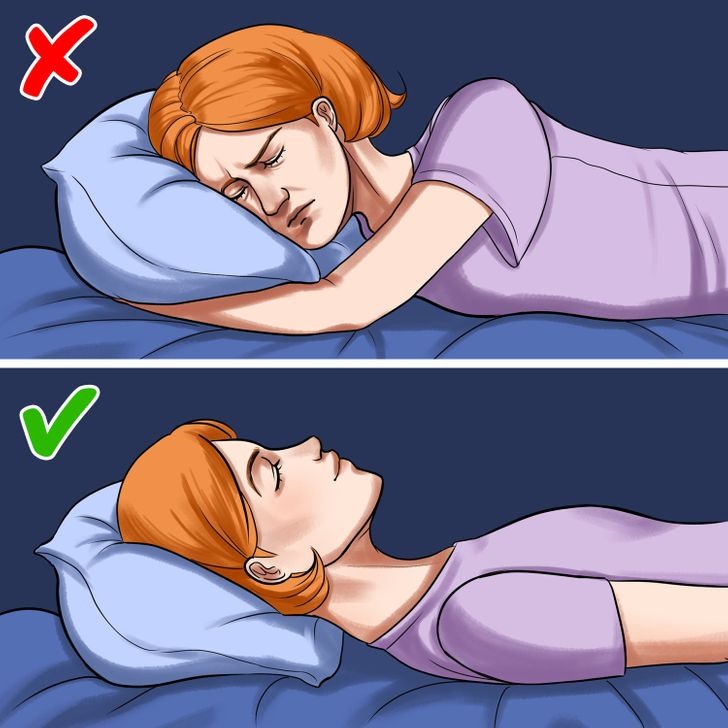
Why We Change Positions During the Night
Sleep isn't a static state.
Your body naturally shifts position throughout the night.
You may turn because of:
-
Pressure on a joint
-
Muscle discomfort
-
Temperature changes
-
Mattress pressure
-
Normal sleep movements
-
Changes between sleep stages
-
Breathing or airway factors
Some people barely notice these movements.
Others wake briefly every time they turn.
Frequent movement doesn't necessarily indicate poor sleep, but if you're constantly waking because of discomfort, pain, or breathing difficulties, the underlying problem may need attention.
Don't Let a Viral Sleep Test Define You
It's fun to compare your sleeping position with descriptions online.
Maybe you're a dedicated fetal sleeper. Maybe you take over the entire bed like a starfish. Or perhaps you spend the entire night hugging a pillow.
But these categories shouldn't be treated as scientific personality diagnoses.
The most useful information comes from understanding why you sleep the way you do and whether your position helps or interferes with restful sleep.
A comfortable position that allows you to sleep well may be perfectly appropriate.
And if a particular position consistently causes pain, numbness, snoring, or poor-quality sleep, that's a much more meaningful reason to reconsider it.
Final Thoughts
Your sleeping position may be an interesting reflection of your habits, comfort preferences, and physical needs—but it doesn't determine whether you're lazy, confident, shy, or outgoing.
The popular personality descriptions attached to different sleep positions are mostly fun interpretations rather than established scientific conclusions.
What matters more is whether your sleeping position allows you to wake up feeling rested and physically comfortable.
So the next time someone asks, “What does the way you sleep say about you?” you can have some fun with the answer.
But don't forget the more important question:
What is your sleep telling you about your health?
If you're consistently waking with pain, experiencing excessive daytime sleepiness, or noticing loud snoring, gasping, or pauses in breathing, those are clues worth taking seriously—regardless of whether you sleep like a log, a starfish, or curled up in the fetal position.