Waking up in the morning should leave you feeling refreshed and ready to start the day. However, for some people, it begins with an uncomfortable sensation—numbness or tingling in the hands. While this may seem minor or temporary, it can sometimes be your body’s way of signaling an underlying issue.
Understanding why this happens can help you determine whether it’s a harmless occurrence or something that requires attention.

What Does Hand Numbness Feel Like?
Hand numbness is often described as:
- A “pins and needles” sensation
- Loss of feeling or reduced sensitivity
- Tingling or mild burning
- Weakness in the hands or fingers
This sensation can affect one or both hands and may disappear quickly—or persist for several minutes after waking.
1. Sleeping Position and Nerve Compression
One of the most common causes of waking up with numb hands is simply the way you sleep.
When you lie in a position that puts pressure on your arm or wrist:
- Blood flow may be temporarily reduced
- Nerves can become compressed
- Signals between the brain and hand are disrupted
For example, sleeping with your arm under your head or body can lead to temporary numbness that resolves once you change position.
2. Carpal Tunnel Syndrome
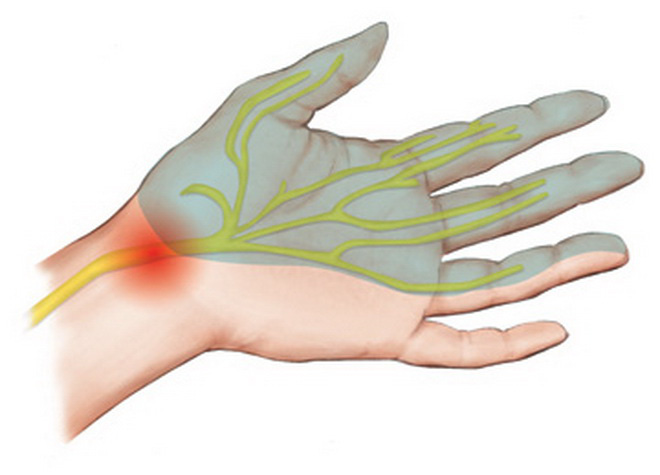
If numbness happens frequently—especially in the thumb, index, and middle fingers—it may be related to carpal tunnel syndrome.
This condition occurs when the median nerve, which runs through the wrist, becomes compressed.
Common signs include:
- Tingling or numbness at night or in the morning
- Weak grip strength
- Difficulty holding objects
Repetitive hand movements, such as typing or using a phone, can increase the risk.
3. Poor Circulation
Circulation plays a key role in delivering oxygen and nutrients to your extremities. If blood flow is restricted during sleep, it can lead to numbness.
This may be influenced by:
- Tight sleeping positions
- Cold temperatures
- Underlying vascular conditions
If circulation improves after movement, the numbness usually fades quickly.

4. Vitamin Deficiencies
Certain vitamins especially B vitamins - are essential for nerve health. A deficiency can affect how nerves function, leading to sensations like numbness or tingling.
Low levels of vitamin B12, for example, may cause:
- Persistent numbness
- Fatigue
- Weakness
A balanced diet is important for maintaining proper nerve function.
5. Underlying Health Conditions
In some cases, frequent numbness may be linked to broader health issues, such as:
- Diabetes (which can cause nerve damage over time)
- Thyroid imbalances
- Neurological conditions
These causes are less common but should be considered if symptoms are persistent or worsening.
When Should You Be Concerned?
Occasional numbness that goes away quickly is usually not a cause for concern. However, you should seek medical advice if:
- The numbness occurs regularly
- It lasts for a long time after waking
- It is accompanied by pain or weakness
- It affects daily activities
Early evaluation can help identify and manage potential issues before they progress.
How to Reduce or Prevent Morning Numbness
Simple changes in your daily routine can help reduce the likelihood of waking up with numb hands:
- Adjust your sleeping position to avoid pressure on your arms
- Use a supportive pillow to maintain proper alignment
- Stretch your hands and wrists before bed
- Take breaks from repetitive hand activities
- Maintain a balanced diet rich in essential nutrients
These habits can support both nerve health and circulation.
Conclusion
Waking up with numb hands is often a temporary and harmless experience caused by sleeping position or mild nerve compression. However, when it becomes frequent or persistent, it may be your body’s way of signaling something more significant.
By paying attention to these sensations and making small lifestyle adjustments, you can protect your nerve health and improve your overall well-being. Sometimes, even the smallest signals from your body are worth listening to - because they can reveal much more than you expect.