Insomnia, night sweats, and frequently waking up during the night are quite common, especially among middle-aged and older adults. However, experts say that some persistent sleep abnormalities can sometimes be warning signals of serious underlying health conditions, including cancer.
Is Sleep Deprivation Linked to a Higher Risk of Cancer?
Mr. Liu (62, China) had been sleeping poorly for several months. Although he could fall asleep quickly, he often woke up during the night, drenched in sweat. During the day, he constantly felt tired and became short of breath even after light physical activity.
Assuming these symptoms were simply part of aging, he did not seek medical attention until a routine health check revealed a 1.5-centimeter lung mass. Further tests confirmed that it was early-stage lung adenocarcinoma.
According to doctors, this case illustrates that certain nighttime symptoms may sometimes indicate underlying health problems. However, this does not mean that everyone who suffers from insomnia or poor sleep has cancer.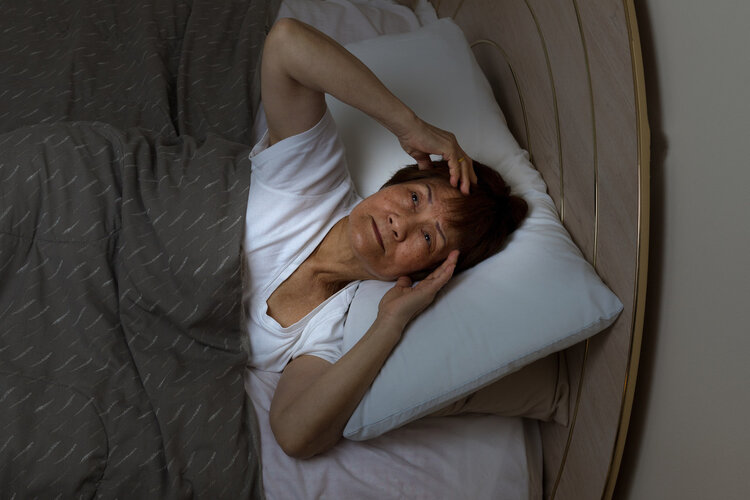
A study published in the journal Cancer by researchers at Tongji Hospital in China, involving approximately 15,000 participants, found that people who slept for very short periods had a higher incidence of cancer than those who got adequate sleep. However, because it was an observational study, it cannot establish that sleep deprivation directly causes cancer.
Scientists believe that prolonged sleep deprivation may affect immune system function, increase chronic inflammation, and disrupt metabolic processes in the body. Some studies also suggest that disturbances in melatonin secretion—the hormone that regulates the body's biological clock—may be associated with an increased risk of certain cancers. Nevertheless, the exact mechanisms are still being investigated.
In addition, insufficient sleep raises the risk of overweight, obesity, and various chronic diseases, which are already recognized risk factors for several types of cancer.
Five Nighttime Symptoms That Should Not Be Taken Lightly
Experts emphasize that the following symptoms are common in many benign conditions and do not necessarily indicate cancer. However, if they persist, recur frequently, or are accompanied by signs such as unexplained weight loss, prolonged fever, unusual fatigue, or swollen lymph nodes, medical evaluation is recommended.
1. Unusual Night Sweats
Sweating during sleep is fairly common, especially in hot weather or when using heavy blankets. However, if you frequently wake up with your clothes or bed sheets soaked despite a normal room temperature, you should pay attention.
This condition may be caused by various factors, including menopause, hyperthyroidism, low blood sugar in people with diabetes, infections, or certain blood disorders. Persistent night sweats are also one of the symptoms that may occur in patients with lymphoma, often accompanied by prolonged fever or enlarged lymph nodes.
2. Pain That Worsens at Night

Certain musculoskeletal conditions can make pain more noticeable while lying down because the body remains inactive for long periods. However, if pain is persistent, progressively worsening, or frequently wakes you up at night—especially back pain, bone pain, or upper abdominal pain—it should be medically evaluated.
In some cases, such pain may be associated with disorders affecting the bones, nerves, pancreas, or malignant tumors that have spread to the bones.
3. Frequent Leg Cramps
Nighttime leg cramps are commonly linked to dehydration, mineral deficiencies, overexertion, or circulation problems. Most cases are not serious and can improve with lifestyle or dietary adjustments.
However, if leg cramps occur frequently and are accompanied by loss of appetite, weight loss, fatigue, or reduced physical strength, a comprehensive medical evaluation is advisable to rule out underlying conditions.
4. Frequent Nighttime Urination
Getting up once per night to urinate may still be within the normal range, especially among older adults. However, waking up two or more times every night over a prolonged period may be related to benign prostatic hyperplasia, diabetes, urinary tract infections, or bladder dysfunction.
In most cases, this is not a sign of cancer. However, if frequent nighttime urination is accompanied by blood in the urine, painful urination, or unexplained weight loss, specialist evaluation is recommended.
5. Persistent Cough or Shortness of Breath at Night
Nighttime coughing is common among people with allergies, asthma, respiratory infections, or gastroesophageal reflux disease (GERD). However, if the cough persists for several weeks without improvement, particularly when accompanied by shortness of breath, chest pain, coughing up blood, or unexplained weight loss, medical attention is necessary.
These symptoms can occur in various respiratory conditions, including lung cancer.
Not Every Sleep Disorder Is Cancer
Experts stress that most sleep problems are caused by benign factors such as stress, anxiety disorders, hormonal changes, chronic illnesses, or unhealthy lifestyle habits.
Nevertheless, when symptoms persist, recur frequently, or are accompanied by other unusual signs, people should avoid self-diagnosis and seek medical evaluation and advice.
Maintaining 7–8 hours of sleep per night, avoiding staying up late, exercising regularly, not smoking, and having routine health checkups remain important measures for protecting overall health and reducing the risk of many diseases, including cancer.