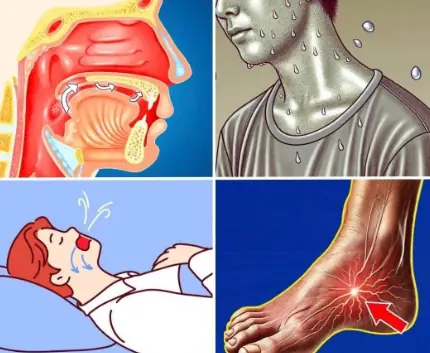
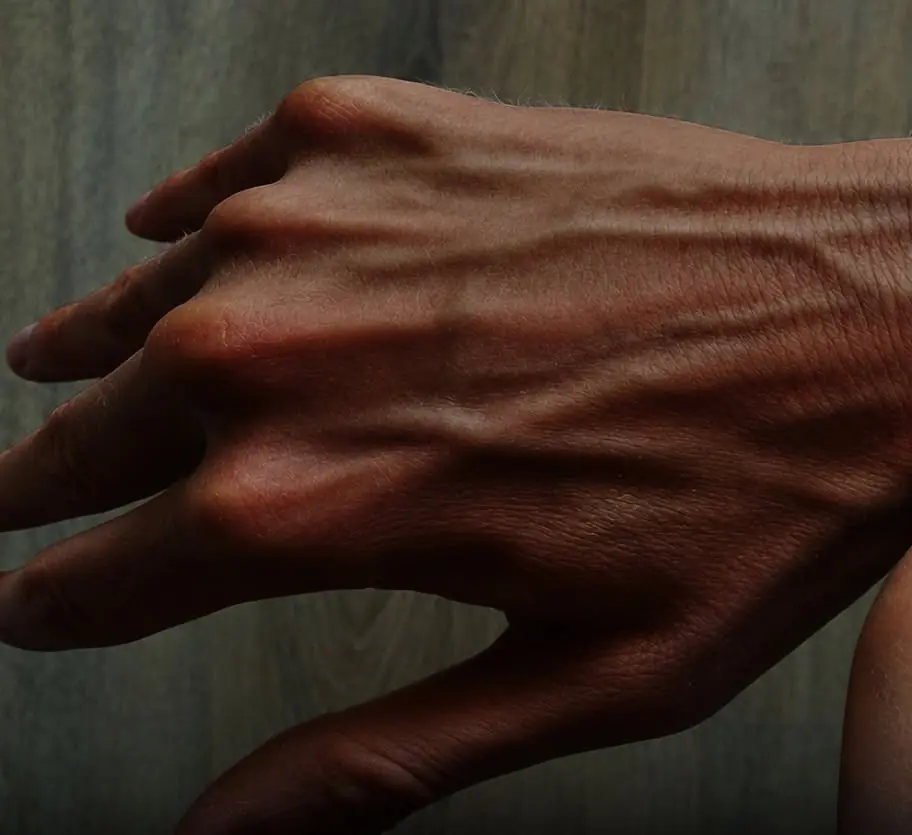
Sitting for long periods and leading a sedentary lifestyle can negatively affect blood circulation throughout the body. It can also directly impact various organs and bodily functions. Therefore, you should regularly stand up, walk around, or move during work to reduce the harmful effects of prolonged sitting.
1. Health Risks of Sitting Too Much
How does prolonged sitting affect the body? In reality, it can significantly impair the functioning of nearly every organ and system, affecting both overall health and quality of life. These effects include:
Heart Damage
Scientists compared two groups of workers: transit drivers, who spent most of the day sitting, and guides or guards, who spent most of their time standing or moving around. Although both groups had similar diets and lifestyles, the people who sat most of the day were twice as likely to develop heart disease as those who were more active.
Shortened Lifespan
People who spend excessive amounts of time sitting are more likely to die prematurely from various causes over the long term. Regular physical activity is one of the best ways to improve this health risk.
Increased Risk of Dementia
Sitting for prolonged periods may cause changes in the brain similar to those seen in people with dementia. Excessive sitting also increases the risk of heart disease, diabetes, stroke, high blood pressure, and high cholesterol. Staying active throughout the day can help reduce the risk of these health problems.

Counteracts the Benefits of Exercise
The harmful effects of prolonged sitting can offset the benefits of exercise. Even if you exercise seven hours per week—much more than the recommended two to three hours—it may not fully reverse the negative effects of sitting continuously for seven hours a day. In the gym, avoid skipping difficult exercises or taking too many breaks. Stay active until the workout is complete.
Higher Risk of Diabetes
Sitting all day may increase the risk of developing diabetes because the body burns too few calories. Although this has not been fully proven, doctors believe that prolonged sitting may alter the body's response to insulin, the hormone that helps convert sugar into energy.
Risk of Blood Clots
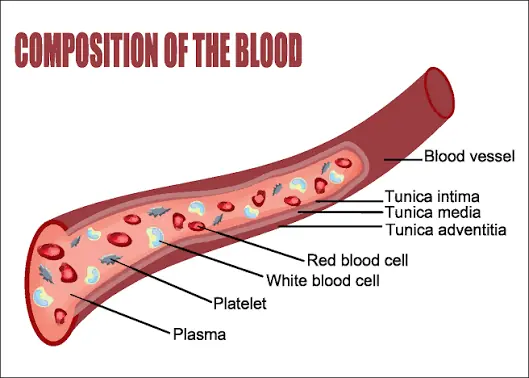
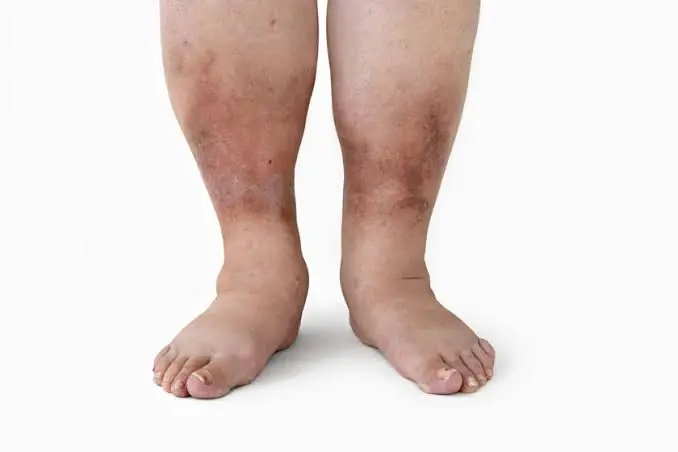
Deep vein thrombosis (DVT) is a blood clot that forms in the leg, often because of remaining still for too long. It can become serious if the clot breaks loose and travels to the lungs. Some people experience swelling and pain, while others have no symptoms. This is one reason why prolonged sitting should be avoided.
Weight Gain
Spending hours watching television or browsing the internet can lead to overweight or obesity. Exercising daily helps, but excessive screen time and prolonged sitting can reduce the benefits of physical activity.

Increased Anxiety
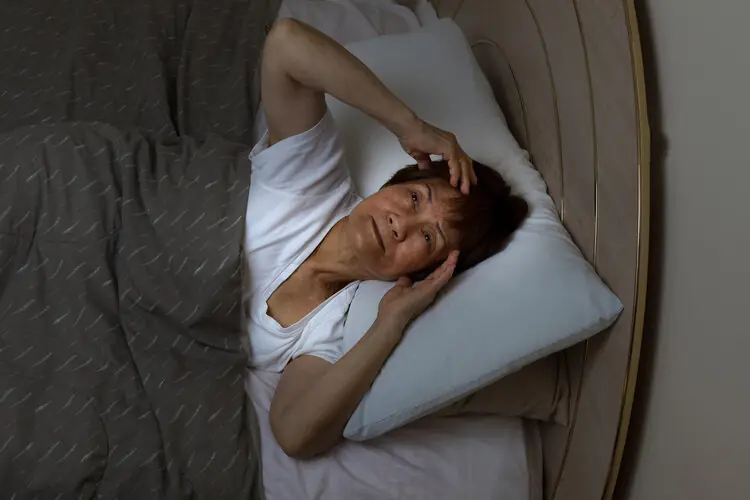
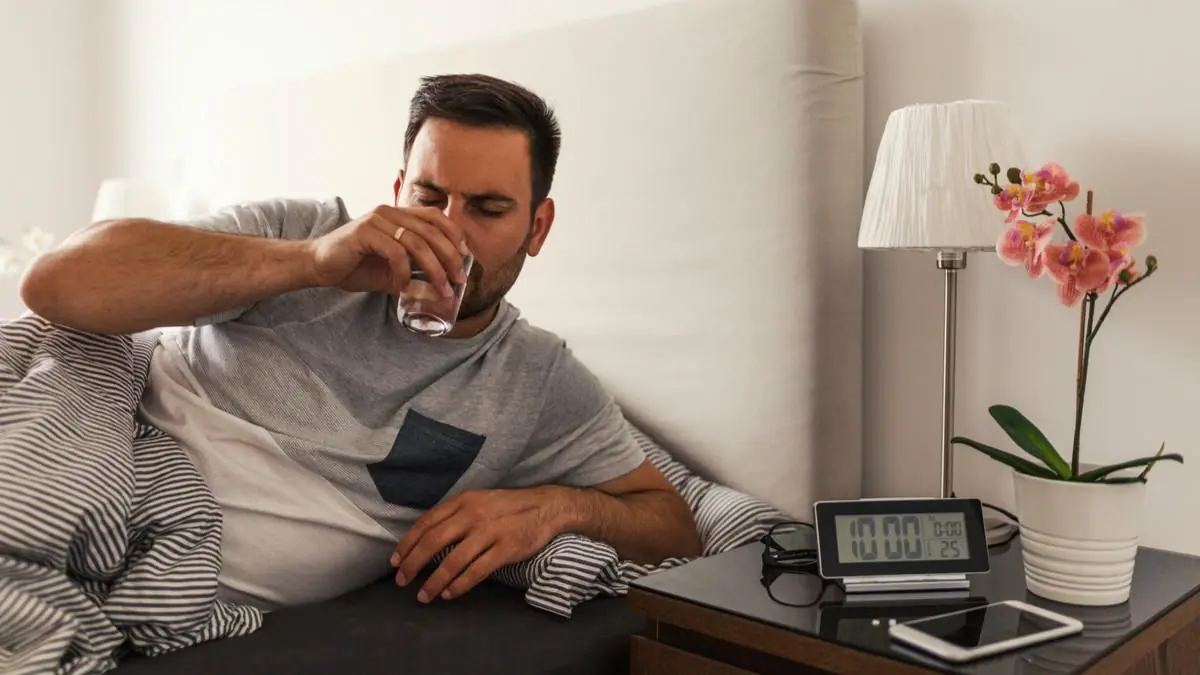
This may result from spending too much time alone and interacting mainly through screens. It can disrupt sleep and trigger sudden feelings of anxiety. In addition, spending too much time in isolation can weaken relationships with friends and family, contributing to unnecessary stress and worry.
Back Problems
Sitting places considerable pressure on the muscles of the back, neck, and spine. Poor posture, such as slouching, makes the problem even worse. Choose a chair with appropriate height and good back support. No matter how comfortable your chair is, you should stand up and move around for one or two minutes every half hour to keep your spine healthy.
Varicose Veins
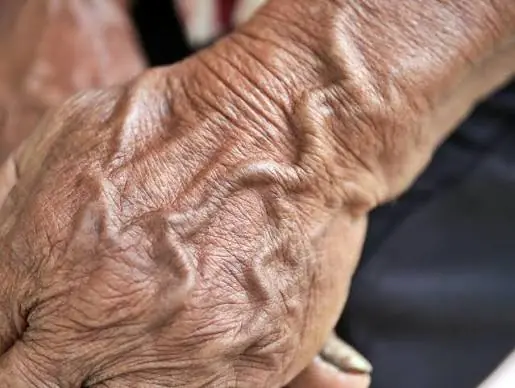
Sitting for long periods restricts blood flow from the legs. This increases pressure in the veins and may cause them to become swollen, twisted, or enlarged—a condition known as varicose veins. Spider veins, which are small broken blood vessels near the skin's surface, are also common. Although these conditions are usually not dangerous, they can cause discomfort and pain. If symptoms occur, seek medical advice for appropriate treatment.
Loss of Mobility
Older adults who are physically inactive may develop osteoporosis (weak bones) and gradually become unable to perform basic daily activities such as bathing or using the bathroom independently.
Increased Risk of Cancer
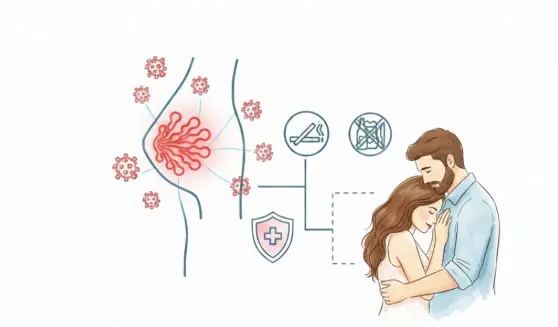
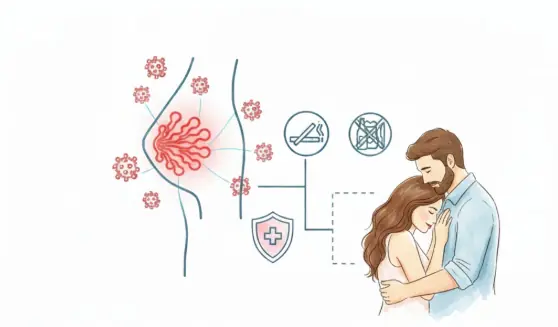
Prolonged sitting has been linked to a higher risk of colon, endometrial, and lung cancers. The more time people spend sitting, the greater the risk appears to be. Older women who sit for extended periods without moving also have a higher risk of breast cancer.
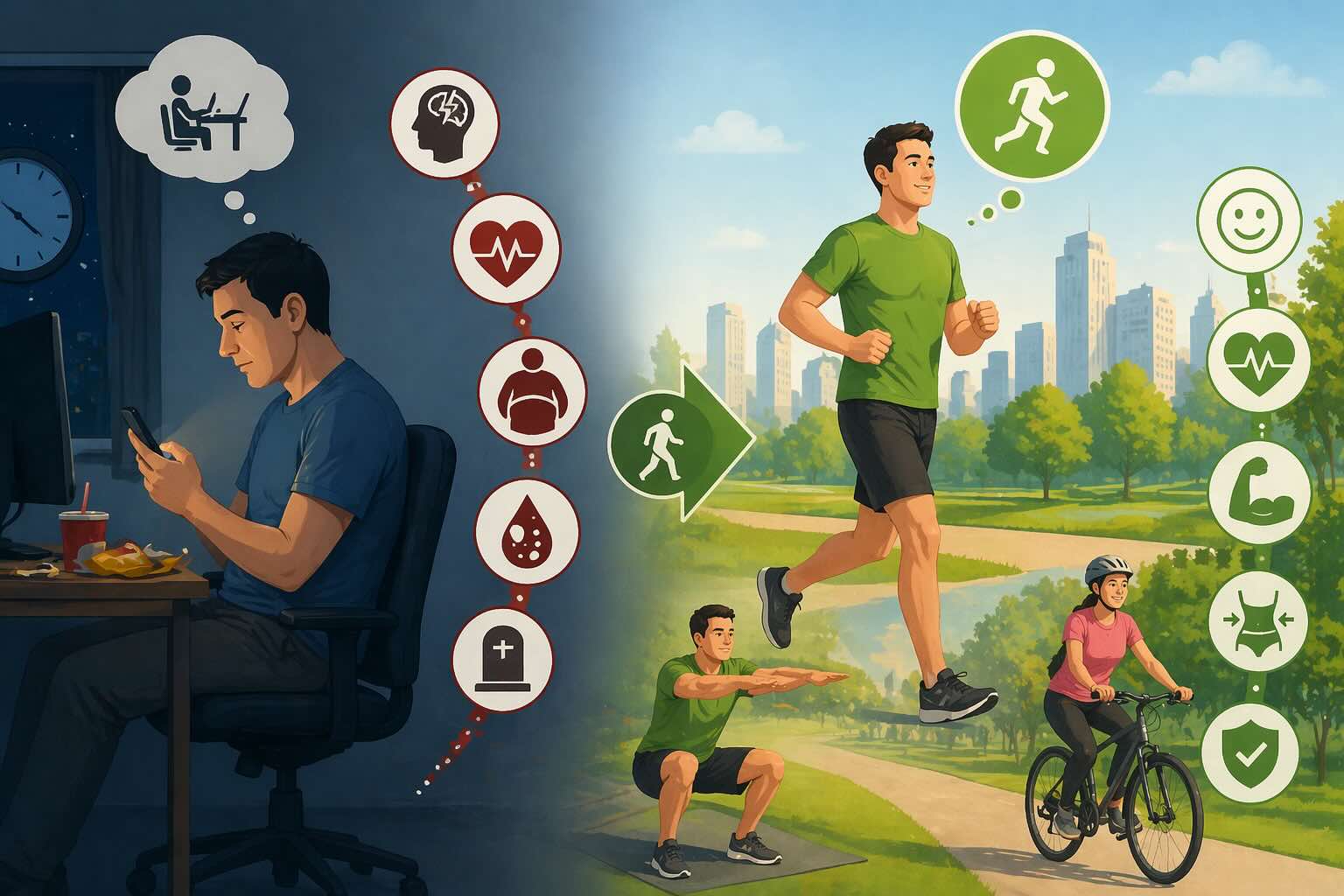
2. Ways to Reduce Prolonged Sitting
To improve this unhealthy habit, try incorporating simple exercises at your desk. After about two hours of work, stand up, stretch, and walk around your workspace to improve blood circulation. Other ways to reduce prolonged sitting include:
Taking the stairs instead of the elevator
Taking a proper lunch break away from your desk
Using an ergonomic chair that fits your body
Using a standing desk when possible
Making small changes and moving regularly throughout the day can significantly improve your health and reduce the risks associated with prolonged sitting.