It turns out that the difference between a healthy, long life and a body burdened by illness sometimes comes down to a few incredibly simple rules at the dinner table.
We often spend our time searching for longevity secrets in expensive supplements or complicated wellness routines. Yet we forget that the nutrients that nourish our bodies and support our immune systems come from the three simple meals we eat every day. A healthy diet is the golden key to maintaining a stable weight, reducing the risk of dangerous chronic diseases, and ultimately extending lifespan.
By observing the lifestyles of long-lived people around the world, experts have noticed one remarkable thing they have in common. They not only choose their foods carefully but also follow strict eating habits at the end of the day. After reading these five golden rules, I truly regretted not learning them sooner because they are actually very simple to follow.
1. Never Eat Dinner Too Late
The timing of dinner has a major impact on your metabolism before bedtime. The ideal time to have dinner is between 4:30 p.m. and 8:00 p.m., with the best time being from 5:30 p.m. to 7:00 p.m. You should avoid eating anything after 10:00 p.m.
Having dinner three to four hours before going to bed gives your body enough time to digest food properly. Eating on schedule reduces the burden on your digestive system and improves sleep quality. This is one of the basic habits associated with longevity and good health.
2. Don't Overeat at Dinner if You Want to Live Longer
Dinner comes at the end of the day when the body is preparing to rest and no longer needs large amounts of energy. Many young people skip breakfast but reward themselves with a large dinner instead. This lifestyle can gradually harm their health.
Eating too much at night forces the digestive system to work overtime while you sleep. It can cause sleep problems and lead to excess calories being stored as fat. Over time, this habit increases the risk of obesity, high blood pressure, and many other health issues. People who live long lives usually keep dinner light and stop eating when they are about 70–80% full.
3. Avoid Greasy and Oily Foods at Dinner
In the evening, people tend to be less active and the digestive system works more slowly than during the day. Fried and oily foods are enemies of a healthy, long life.
Unhealthy fats consumed late in the day are harder for the body to process and can contribute to the buildup of bad cholesterol. Over time, this may lead to hardened arteries and serious cardiovascular diseases. Instead, people who prioritize longevity often choose steamed vegetables, whole grains, and fresh fruits for dinner.
4. Don't Eat Dinner Too Quickly
Work pressure causes many people to rush through dinner just to get back to their tasks. Eating too quickly is a harmful habit that can place unnecessary strain on the stomach.
When food is not chewed thoroughly, the stomach has to work harder to break it down. This can cause bloating, indigestion, and make it harder to fall asleep. Eating too fast also makes it easier to overeat because the body doesn't have enough time to recognize that it is full. This rushed eating style significantly increases the risk of obesity, diabetes, and heart disease. Long-lived people tend to eat slowly and chew their food carefully.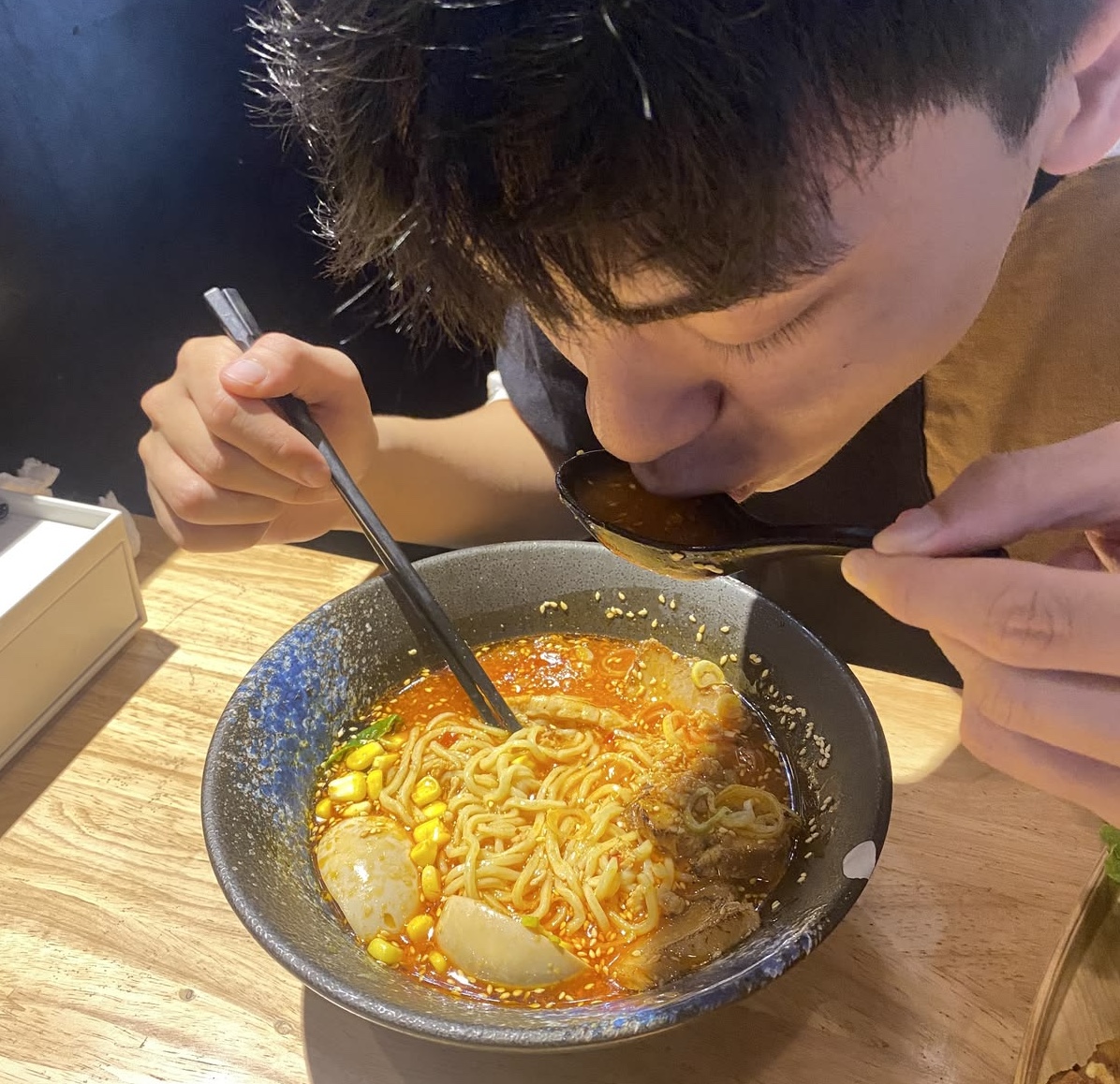
5. Avoid Raw or Cold Foods at Night
As night falls, the surrounding temperature drops and the body's immune system also tends to become less active. Consuming raw foods or cold drinks in the evening can be particularly harmful.
Raw foods are often harder to digest at the end of the day and may carry bacteria or viruses that can cause digestive illnesses. Limiting raw and cold foods at dinner is one of the best ways to protect gut health and reduce the risk of chronic inflammation.
Good health is not a matter of luck; it is the result of healthy habits practiced consistently every day. Changing these unhealthy dinner habits starting today may be one of the secrets to living longer and enjoying a healthier, more fulfilling life.