
Dogs Often Sniff This Part of Your Body for a Reason. Here's What Experts Say
Why Dogs Sniff People's Groins: What Veterinarians Want You to Know... 👇
Sweet potatoes are more than just a comforting side dish - they’re a nutrient-dense food that can support overall health in many ways. Naturally sweet, versatile, and widely available, they fit into a variety of eating patterns. Below are 15 practical insights about sweet potatoes, along with how they may benefit your body when enjoyed as part of a balanced diet.

Sweet potatoes provide vitamin A (as beta-carotene), vitamin C, potassium, and several B vitamins. These nutrients support immune function, skin health, and normal cellular processes.
The orange color comes from beta-carotene, an antioxidant your body can convert into vitamin A. This helps maintain healthy vision and supports the immune system.
Dietary fiber supports digestion, helps maintain regular bowel movements, and can contribute to a feeling of fullness—useful for appetite control.
Fiber in sweet potatoes acts as a prebiotic, feeding beneficial gut bacteria. A balanced gut microbiome is linked to better digestion and overall wellness.
Compared to refined carbs, sweet potatoes are digested more slowly, which may help provide more stable energy levels throughout the day.

Despite their sweetness, sweet potatoes have a moderate glycemic impact when eaten in reasonable portions, especially with protein or healthy fats. This can help reduce rapid spikes in blood sugar.
They’re low in fat and cholesterol-free, making them a good base food for heart-conscious eating patterns—especially when not overloaded with added sugars or fats.
Potassium in sweet potatoes helps regulate blood pressure by balancing sodium levels. Fiber also plays a role in maintaining healthy cholesterol levels.
Beyond beta-carotene, sweet potatoes contain other antioxidants that help neutralize free radicals, supporting cellular health over time.
Vitamin A is essential for maintaining normal vision, especially in low-light conditions. Adequate intake helps protect eye tissues.
They’re a good source of complex carbohydrates, making them a practical choice before or after exercise to support energy and recovery.
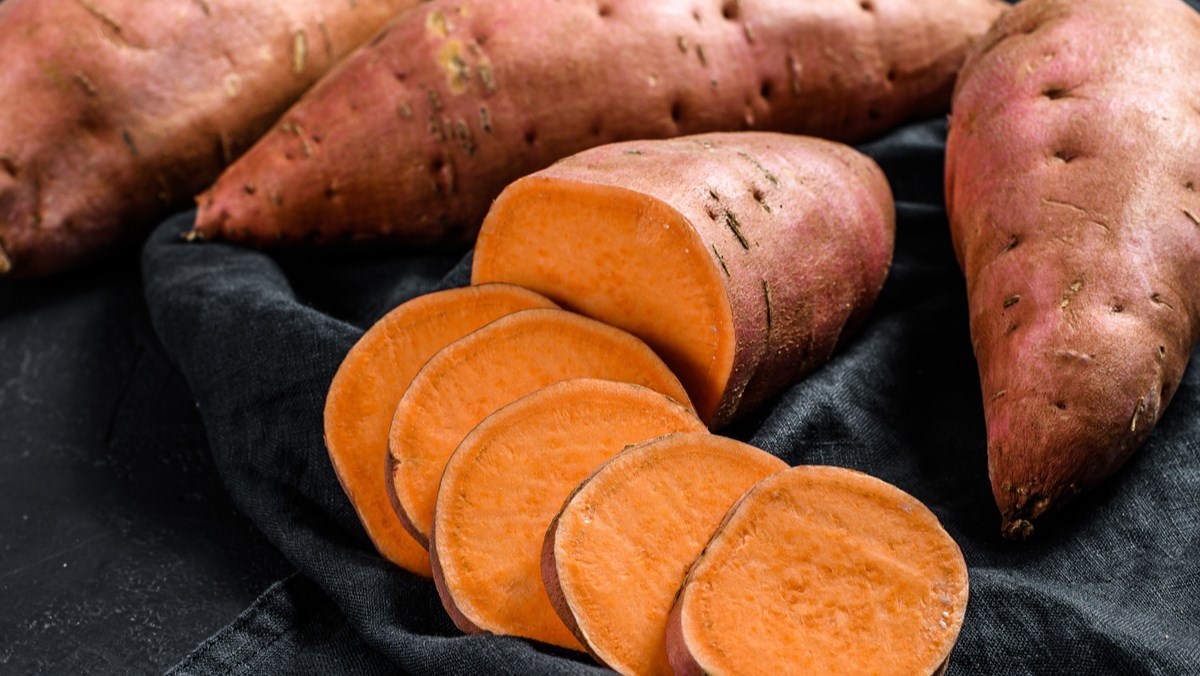
Sweet potatoes can be baked, roasted, mashed, steamed, or added to soups and desserts. This flexibility makes it easy to include them regularly without getting bored.
They’re suitable for gluten-free diets and can be used as an alternative base for meals, such as in place of grains or processed carbs.
Vitamins A and C support skin health by contributing to normal collagen formation and protecting against environmental stressors.
For optimal benefits, combine sweet potatoes with:
This helps create balanced meals that support satiety and stable energy.
Sweet potatoes are a nutrient-rich, flexible ingredient that can support multiple aspects of health - from digestion and energy to heart and eye health. While they’re not a cure-all, incorporating them into a balanced, varied diet can be a smart and satisfying choice.
Small, consistent habits - like choosing whole foods and preparing them simply often make the biggest difference over time.
Why Dogs Sniff People's Groins: What Veterinarians Want You to Know... 👇

5 Early Signs of Thyroid Cancer That Are Easy to Recognize

Sleeping With Socks On Isn't Just About Warm Feet—Here's Why... 👀👇

The real reason dogs sniff humans in awkward places may surprise you…
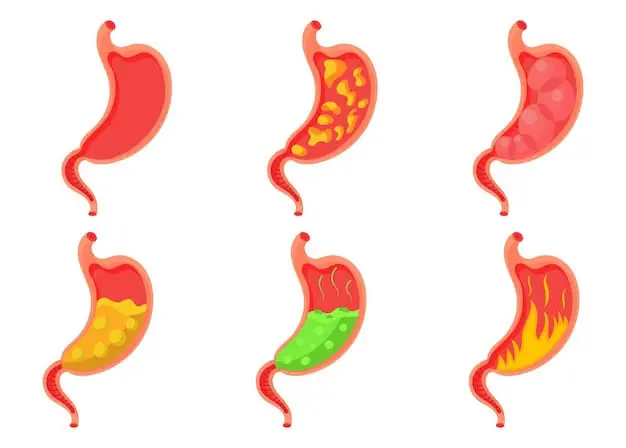
What Drinking Water on an Empty Stomach May Do for Your Body... 👇

One of these signs surprises most people—have you noticed it before?

A tiny piercing, a powerful personal statement.
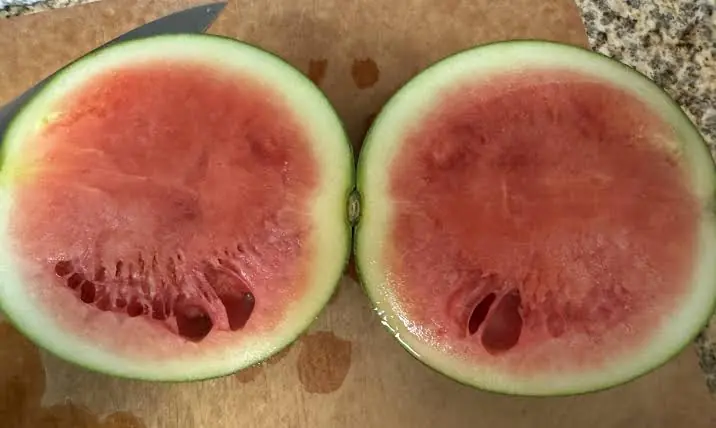
Understanding Why Some Watermelons Develop Internal Cracks

This Small Detail on Your Toes Could Say More About Your Health Than You Realize

The Hidden Reason Centipedes Keep Appearing in Some Homes... See more ⏬


One Simple Choice, Eight Different Personalities


😱 Millions of Dog Owners Have Experienced This Without Knowing Why... See More

You Should Never Ignore Waking Up at 3 or 4 A.M.—It Could Be a Warning Sign 😨👇

Almost everyone hates slugs—but...



Most People Misunderstand This Common Sleeping Position

When Love Becomes Forbidden
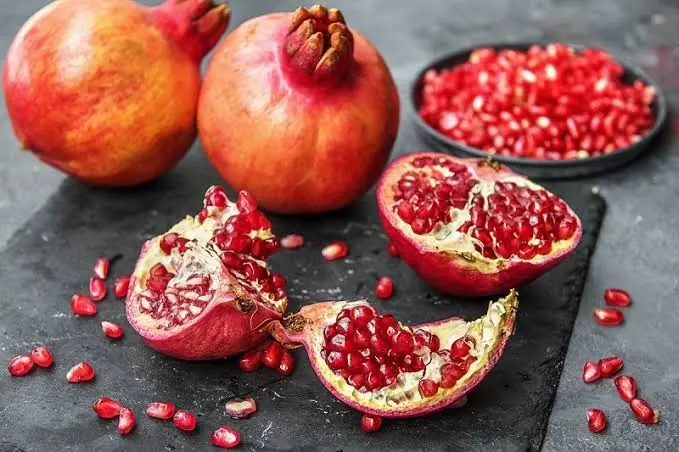
3 Fruits Worth Adding to Your Diet for Better Metabolic Health

When Love Defies Time


😲 Doctors Explain Why Adding Avocado to Your Diet May Have Unexpected Benefits... 👇

Late-Night Bananas: What They May Do to Your Sleep and Digestion

Living With Tinnitus? These 6 Lifestyle Changes May Help

The Truth About Tilapia: Is This Popular Fish Actually Healthy?
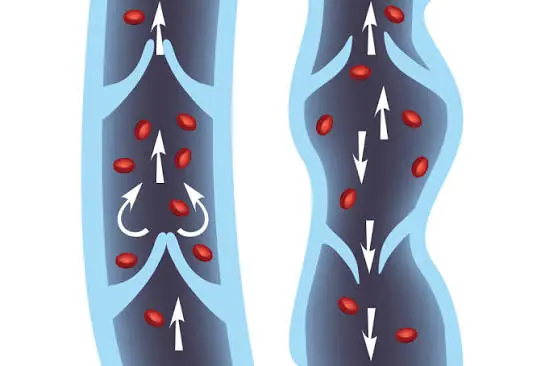
🦵 6 Easy Lifestyle Changes That May Make a Difference for Your Leg Health... 👇

The Trip That Was Built on Lies
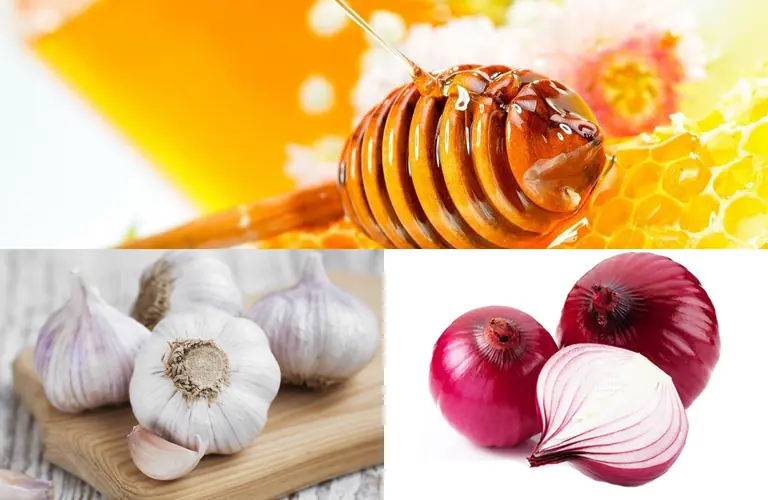
Natural Cough Remedies: What Science Says About Honey, Onion, and Garlic

Want Healthier Kidneys? Add These 12 Foods to Your Plate

Noticing Spots or Lines in Your Vision? They Could Be Eye Floaters

❤️ 7 Heart Attack Symptoms People Can Easily Mistake for Something Else... 👇

We Stopped Taking Photos and Started Enjoying the Trip

💅 Your Nails Can Change With Age—But These Lines May Have Several Possible Causes... 👇

☕ Most People Drink Coffee Every Morning Without Knowing This... 👀👇
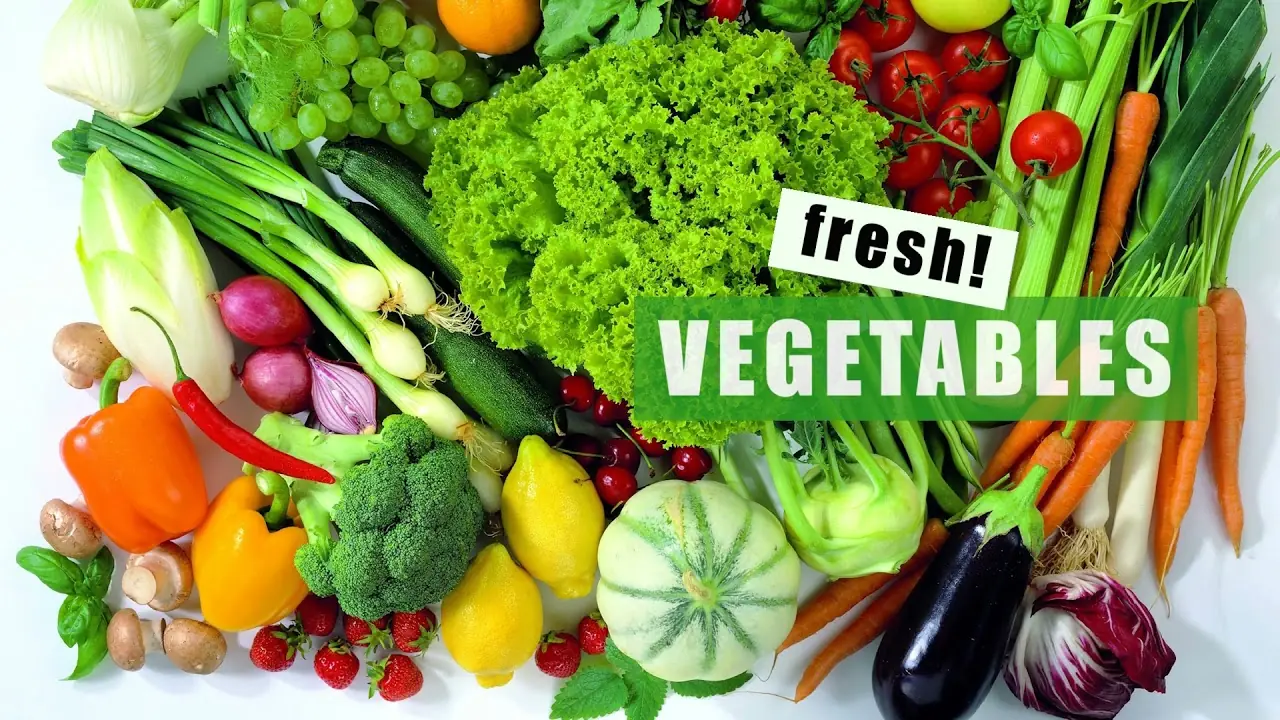
5 Healthy Vegetables High in Calcium for Your Daily Diet

Start Your Morning Right: Simple Habits That May Benefit Your Heart and Brain

😨 Unusual Bruising Isn't Always Harmless—Here's When to Talk to a Doctor... 👇