When people think about “healthy blood,” they often jump straight to supplements, detox trends, or complicated diets. But most clinicians will tell you the same thing: the fundamentals beat the fads. The real “golden key” isn’t a single pill - it’s a set of simple, repeatable habits that keep your blood chemistry stable, your vessels healthy, and your organs well-supplied.
Below is a practical, evidence-informed breakdown of what actually moves the needle.
🔑 The Core Idea: Keep Your Internal Environment Stable
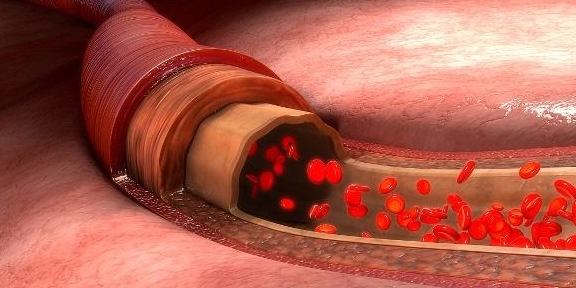
Healthy blood isn’t just about one number. It’s about a balanced system:
- Glucose within a normal range
- Lipids (cholesterol, triglycerides) well-managed
- Adequate red blood cells and hemoglobin
- Low chronic inflammation
- Proper hydration and electrolyte balance
The “golden key” is maintaining this balance consistently, not occasionally.
1) Hydration: The Simplest Lever Most People Ignore
Blood is largely water. When you’re underhydrated, blood becomes more concentrated (higher viscosity), which can strain circulation and affect how nutrients and oxygen are delivered.
Do this:
- Aim for steady fluid intake across the day (don’t “chug” all at once)
- Use urine color as a rough guide (pale straw = generally well-hydrated)
- Adjust for heat, exercise, and illness
2) Eat for Blood Stability (Not Just Calories)
Your daily food choices directly shape blood markers—especially glucose and lipids.
Prioritize:
- Fiber (oats, legumes, fruits, vegetables) → helps regulate glucose and cholesterol
- Lean protein → supports hemoglobin production and satiety
- Healthy fats (olive oil, nuts, fatty fish) → supports lipid balance
Limit:
- Refined sugars and ultra-processed foods → drive glucose spikes and inflammation
- Trans fats → worsen lipid profiles
3) Move Your Body (Regularly, Not Intensely)
You don’t need extreme workouts. What matters is frequency.
Why it works:
- Improves insulin sensitivity (better glucose control)
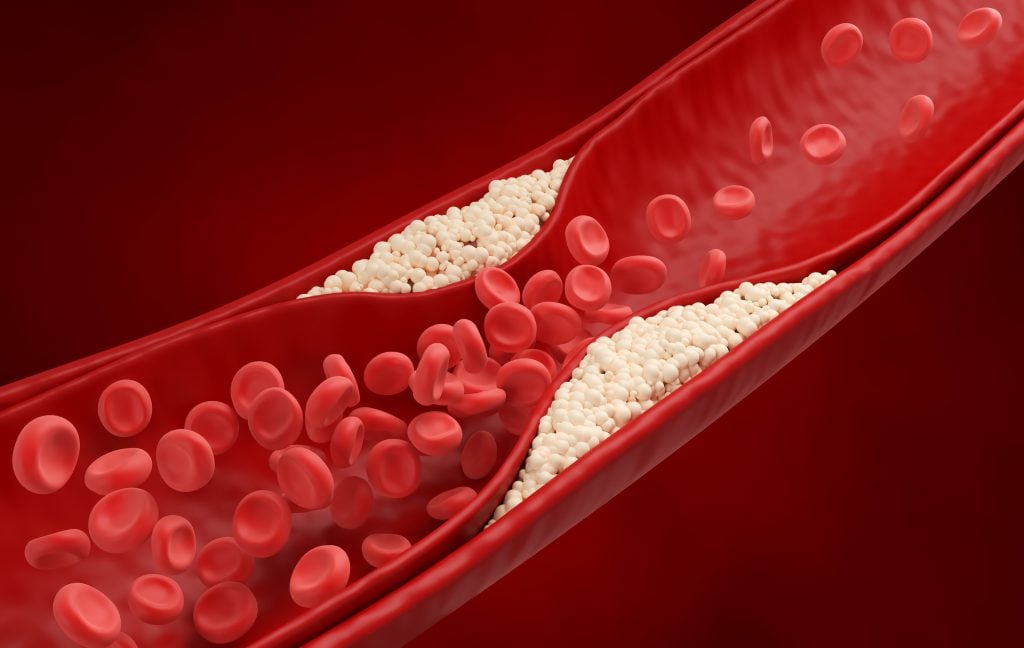
- Raises HDL (“good” cholesterol)
- Enhances circulation
Do this:
- 150 minutes/week of moderate activity (brisk walking counts)
- Add 2 sessions of strength training if possible
4) Sleep: The Underrated Regulator
Poor sleep disrupts hormones that control appetite, glucose, and inflammation.
What to aim for:
- 7–9 hours per night
- Consistent sleep/wake times
- Dark, quiet sleep environment
Even a few nights of short sleep can impair glucose tolerance and elevate stress hormones.
5) Manage Stress (Because Blood “Feels” It)
Chronic stress elevates cortisol and adrenaline, which can:
- Raise blood sugar
- Increase blood pressure
- Promote inflammation
Simple tools that work:
- 5–10 minutes of slow breathing or mindfulness
- Short breaks during the day
- Regular physical activity (doubles as stress control)
6) Don’t Skip Basic Check-Ups
You can’t manage what you don’t measure.
Useful tests to track:
- Fasting glucose / HbA1c
- Lipid panel (LDL, HDL, triglycerides)
- Complete blood count (CBC)
Routine monitoring helps catch small shifts before they become problems.
7) Avoid the Common Traps
- “Detox” products: Your liver and kidneys already do this job efficiently
- All-or-nothing diets: Unsustainable → rebound effects on blood markers
- Ignoring small symptoms: fatigue, dizziness, or unusual thirst can be early clues
🧠 Why This “Golden Key” Gets Ignored
Because it’s… simple.
There’s no dramatic before–after, no quick fix. But these basics compound over time, quietly improving:
- Energy levels
- Cardiovascular health
- Metabolic stability

✔️ A Practical Daily Checklist
- Drink water regularly
- Build meals around fiber + protein
- Move for at least 20–30 minutes
- Sleep 7–9 hours
- Take a few minutes to decompress
- Keep up with routine labs
🔥 Bottom Line
There isn’t a secret shortcut to “healthy blood.” The closest thing to a golden key is consistency in simple habits.
Do the basics well, every day and your blood will reflect it.
If you want, I can turn this into a short, high-engagement social post or a script for a 30–60s video that hits the key points quickly.