Experts Reveal 3 Habits That Could Impact a Woman’s Cervical Health More Than Expected
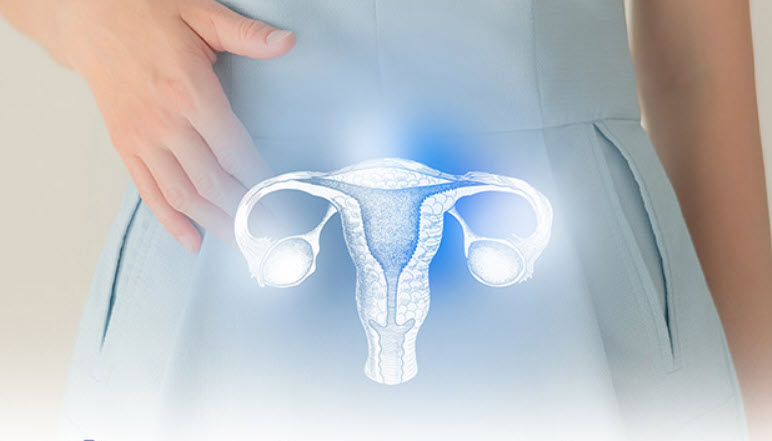
Cervical cancer remains one of the most common cancers affecting women worldwide. Medical experts have long emphasized that persistent infection with high-risk strains of the human papillomavirus (HPV) is the leading cause of most cervical cancer cases. While many people view cervical health as solely a women's issue, research increasingly shows that a partner's habits and lifestyle choices can also influence a woman's risk.
In many relationships, certain behaviors may seem harmless or routine. However, doctors warn that some overlooked habits can contribute to infections, chronic inflammation, and other factors associated with cervical health problems. Understanding these risks can help couples make healthier choices together.
1. Having Intimacy During Menstruation
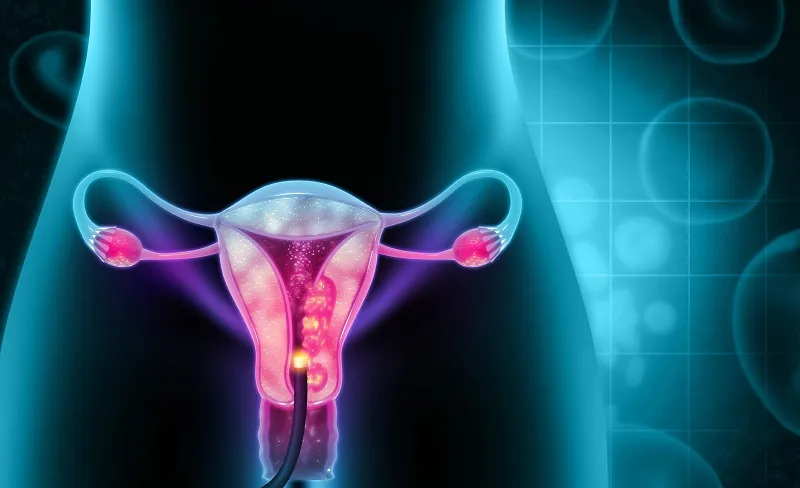
One habit frequently mentioned by health experts is sexual intercourse during menstruation. During a menstrual period, the cervix may be slightly more open, and the reproductive tract can be more vulnerable to irritation and infection. Some specialists believe that this may increase the likelihood of bacteria or viruses entering the reproductive system.
Repeated exposure to infections during this sensitive time may contribute to inflammation and other gynecological issues. Although having sex during menstruation does not automatically cause cervical cancer, experts suggest that couples should be aware of the potential risks and prioritize hygiene and protection.
2. Avoiding Protection During Intimacy
Another major concern is unprotected sexual activity. HPV is primarily transmitted through sexual contact, and many people who carry the virus show no symptoms at all. As a result, a partner may unknowingly transmit HPV without realizing it.
Research has shown that consistent condom use can help reduce the transmission of HPV and other sexually transmitted infections. While condoms do not provide complete protection against HPV, they significantly lower the risk and help protect cervical tissue from infections that can make HPV more difficult for the body to clear.
Experts also note that individuals with multiple sexual partners face a higher chance of exposure to high-risk HPV strains. Open communication, mutual trust, and responsible sexual health practices are important steps in reducing long-term risks.
3. Smoking and Exposure to Secondhand Smoke
Most people are aware that smoking damages the lungs and heart, but fewer realize that it can also affect cervical health. Studies have found that tobacco-related chemicals can weaken the immune system, making it more difficult for the body to eliminate HPV infections. Persistent HPV infection is one of the most important risk factors for cervical cancer.
Even women who do not smoke may be affected by secondhand smoke exposure. Researchers have reported that regular exposure to cigarette smoke can increase the risk of abnormal cervical cell changes and may contribute to a less effective immune response.
For this reason, health professionals encourage smokers to quit and recommend maintaining a smoke-free home environment whenever possible.
Cervical Health Is a Shared Responsibility
Doctors emphasize that protecting cervical health is not solely the responsibility of women. Healthy relationships involve mutual care, communication, and informed decision-making. Partner behaviors—including sexual practices, smoking habits, personal hygiene, and attention to sexual health—can all influence long-term outcomes.
Fortunately, there are several effective ways to lower risk:
- Receive HPV vaccination when eligible.
- Use protection during sexual activity.
- Avoid tobacco use and secondhand smoke.
- Maintain good personal hygiene.
- Schedule regular gynecological checkups and cervical screenings.
- Seek medical attention promptly if unusual symptoms appear.
Final Thoughts
Many people overlook how everyday habits can affect long-term health. While these behaviors do not guarantee the development of cervical cancer, experts agree that they may increase exposure to risk factors associated with cervical disease. Awareness, prevention, and shared responsibility remain some of the most powerful tools for protecting women's health.
By making informed choices and supporting one another, couples can help reduce preventable risks and promote a healthier future together.