Potatoes have gotten a surprisingly complicated reputation.
For years, they have sometimes been described as a food to avoid, particularly by people trying to lose weight or reduce carbohydrates. Yet potatoes are also a staple food enjoyed around the world and can provide several important nutrients.
So, what actually happens when you eat potatoes regularly?
The answer depends on how they are prepared, how much you eat, and what you eat alongside them. A plain baked or boiled potato is nutritionally very different from a large serving of french fries covered in salt and served with a high-calorie meal.
When prepared thoughtfully, potatoes can fit comfortably into a balanced diet and provide carbohydrates, potassium, vitamin C, vitamin B6, and other nutrients.
Here is what you should know.
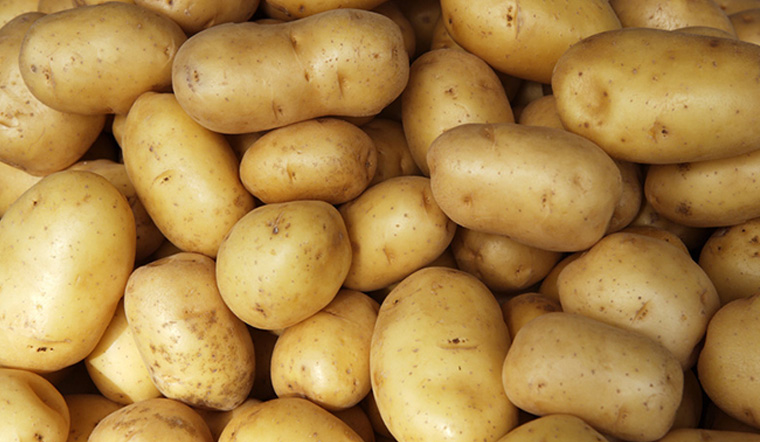
1. Potatoes Provide Useful Carbohydrates
One of the main things your body gets from potatoes is carbohydrate.
Carbohydrates are broken down into glucose, which the body uses as an important source of energy. Your brain, muscles, and other tissues rely on glucose and other fuels to function.
A medium potato can therefore provide a substantial amount of energy without requiring a large portion.
This can be particularly useful for people who are physically active.
The important distinction is between carbohydrate-rich whole foods and highly processed carbohydrate-heavy foods.
A baked potato with vegetables and a source of protein is very different from potato chips or heavily processed fries.
2. They Can Provide a Significant Amount of Potassium
Potatoes are also notable for their potassium content.
Potassium is an essential mineral involved in:
-
Normal muscle function
-
Nerve signaling
-
Fluid balance
-
Maintaining normal blood pressure
Getting enough potassium through the diet is important for overall health.
Interestingly, many people associate potassium primarily with bananas, but potatoes can also contribute meaningful amounts.
However, preparation matters. Adding large amounts of salt to potatoes can substantially increase sodium intake, which is something people concerned about blood pressure may want to consider.
3. Potatoes Can Contribute Vitamin C
Potatoes aren't usually the first food people think about when discussing vitamin C, but they can contribute to your daily intake.
Vitamin C plays several roles in the body, including supporting normal immune function, collagen formation, wound healing, and antioxidant activity.
Cooking can reduce vitamin C because it is sensitive to heat and water, so preparation methods can affect the final nutrient content.
That doesn't mean potatoes should be eaten raw—raw potatoes aren't particularly pleasant and may cause digestive discomfort.
Instead, methods such as baking or steaming can help retain nutrients while making the potato easier to eat.
4. The Skin Can Add Fiber and Nutrients
If you wash potatoes thoroughly and prepare them with the skin intact, you can retain more of their natural fiber and nutrients.
Dietary fiber is important for digestive health and can help support regular bowel movements.
Fiber also contributes to feelings of fullness, which may make a meal more satisfying.
Of course, whether you eat the skin depends on the potato, preparation method, and personal preference.
The skin should be washed well, and potatoes that are green, badly damaged, or heavily sprouted should be avoided or handled appropriately.
5. Potatoes Can Be Surprisingly Filling
One reason potatoes can fit into a balanced diet is their potential to be quite satisfying.
A plain boiled or baked potato contains substantial water and can provide carbohydrates and fiber, particularly when eaten with the skin.
Feeling satisfied after a meal can make it easier to avoid constantly reaching for snacks.
But portion size still matters.
A large baked potato topped with butter, cheese, sour cream, and processed meat can become a very calorie-dense meal.
The potato itself isn't necessarily the problem—the toppings and overall portion can dramatically change the nutritional profile.
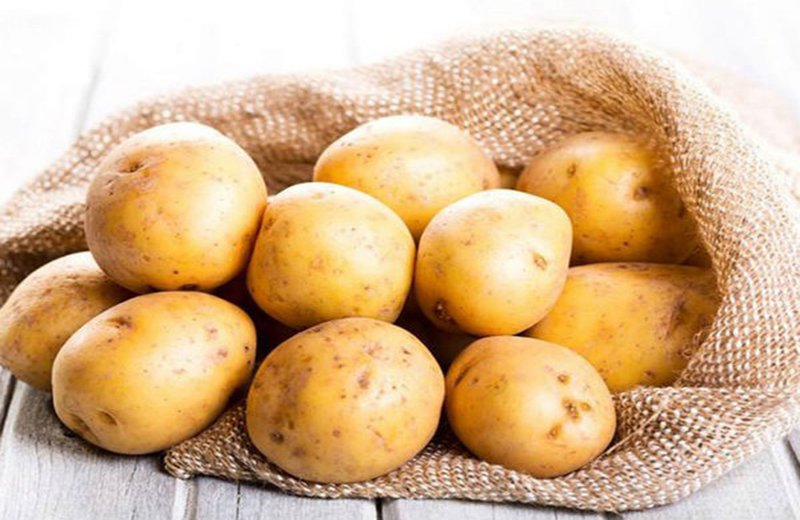
6. Cooking Method Makes a Huge Difference
This is probably one of the most important points to remember.
Potatoes aren't all nutritionally equivalent simply because they come from the same plant.
Consider these examples:
Boiled potatoes
Generally simple and relatively low in added fat.
Baked potatoes
Can be an excellent base for a balanced meal when paired with vegetables and lean protein.
Mashed potatoes
Can be nutritious, but butter, cream, and large amounts of salt can increase calories and saturated fat.
French fries
Deep-frying substantially increases their fat and calorie content.
Potato chips
Highly processed, calorie-dense, and often high in sodium.
So when someone says, "Potatoes are unhealthy," the statement leaves out an important part of the story.
Preparation matters.
7. They May Affect Blood Sugar
Potatoes are a starchy food, so they can raise blood glucose after eating.
The size of the increase can vary depending on the potato variety, cooking method, portion size, and what else is eaten with the meal.
For people with diabetes or insulin resistance, this is particularly relevant.
That doesn't necessarily mean potatoes need to be eliminated.
Instead, portion control and meal composition can matter.
For example, combining potatoes with:
-
Non-starchy vegetables
-
Beans or lentils
-
Fish
-
Eggs
-
Poultry
-
Other protein sources
-
Healthy fats
can create a more balanced meal.
People who monitor blood glucose can also discuss individual carbohydrate needs with a doctor or registered dietitian.
8. Cooling Potatoes Can Change Some of Their Starch
Here's an interesting detail about potatoes.
When cooked potatoes are cooled, some of their digestible starch can undergo a structural change and become resistant starch.
Resistant starch behaves in some ways more like dietary fiber than rapidly digested starch.
Some resistant starch reaches the large intestine, where gut microorganisms can ferment it.
This is one reason researchers have become interested in how food preparation and cooling can influence the nutritional characteristics of starchy foods.
However, this doesn't turn leftover potatoes into a miracle food.
And food safety still matters.
Cooked potatoes should be refrigerated promptly and stored properly rather than being left at room temperature for extended periods.
9. Potatoes Can Be Part of a Weight-Management Diet
Potatoes are sometimes unfairly labeled as a food that automatically causes weight gain.
But body weight isn't determined by one ingredient.
Overall calorie intake, physical activity, dietary pattern, sleep, genetics, and many other factors influence body weight.
A plain potato can actually be quite satisfying.
The bigger issue is often how potatoes are prepared and what accompanies them.
A baked potato with vegetables and grilled fish is very different from a huge portion of fries paired with a sugary drink and a calorie-dense burger.
If you're trying to manage your weight, you don't necessarily need to eliminate potatoes.
Instead, pay attention to:
Portion size
Cooking method
Added fats
Toppings
Overall meal balance
10. Potatoes Can Support a Varied Diet
Another benefit is versatility.
Potatoes can be combined with many different foods, making it easier to build balanced meals.
For example:
Roasted potatoes + salmon + broccoli
Boiled potatoes + beans + leafy greens
Baked potato + grilled chicken + vegetables
Potato and vegetable soup + a protein source
This allows potatoes to serve as the carbohydrate component of a meal while other foods provide protein, fiber, healthy fats, and additional micronutrients.
A healthy diet doesn't require every individual food to provide everything.
What matters is what the overall pattern looks like.
What About Sweet Potatoes?
Sweet potatoes and regular potatoes are both nutritious, but they aren't identical.
Sweet potatoes generally provide more beta-carotene, which the body can convert into vitamin A.
Regular potatoes can provide more potassium in some servings and are also a useful source of vitamin C and other nutrients.
Neither needs to be considered universally "better."
They simply have somewhat different nutritional profiles.
Rotating different vegetables and carbohydrate sources is generally a better strategy than becoming overly focused on one "perfect" food.
Who Should Be More Careful With Potatoes?
Although potatoes can fit into a healthy diet, certain people may need to pay closer attention to portions or preparation.
People with diabetes
Because potatoes contain substantial carbohydrates, portion size and meal composition can be important for blood glucose management.
People following a sodium-restricted diet
Plain potatoes are naturally low in sodium, but heavily salted potato dishes can contribute significant sodium.
People with certain kidney conditions
Potatoes are relatively rich in potassium, so people who have been instructed to restrict potassium should follow their healthcare provider's dietary recommendations.
People who rely heavily on fried potatoes
Frequent consumption of fries and chips can contribute excess calories, sodium, and unhealthy fats depending on the product and cooking method.
The important point is that the advice should be individualized.
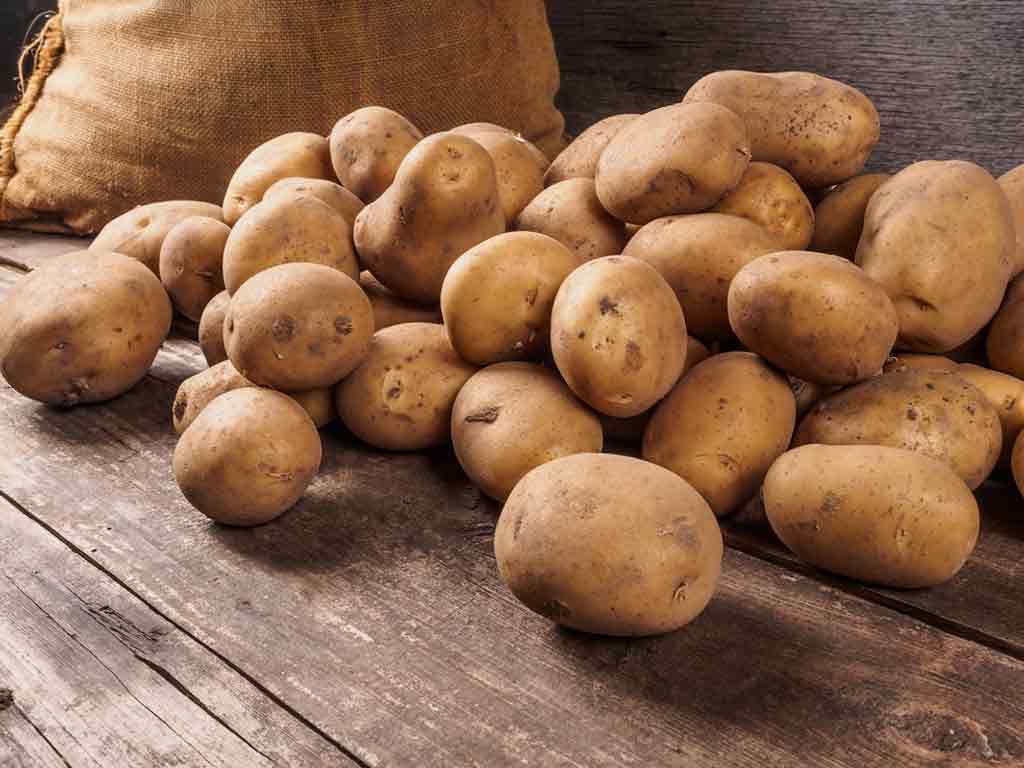
What About Green Potatoes?
This is one situation where caution is genuinely important.
Potatoes can develop green areas when exposed to light. Green coloration is associated with increased levels of glycoalkaloids, including solanine and chaconine.
These compounds can cause gastrointestinal and neurological symptoms when consumed in sufficiently high amounts.
Don't eat potatoes that are extensively green, bitter, or badly sprouted.
For potatoes with small areas of green, removing the affected portions may reduce exposure, but heavily green or bitter potatoes are better discarded.
Store potatoes in a cool, dark, dry place to reduce sprouting and greening.
Are French Fries the Same as Potatoes?
Technically, yes—but nutritionally, the preparation changes the picture dramatically.
Deep-frying adds substantial fat and calories.
Commercial fries may also contain significant amounts of sodium.
Eating them occasionally doesn't automatically make your diet unhealthy, but making fried potatoes a daily staple is very different from regularly eating boiled or baked potatoes.
If you enjoy fries, moderation and overall dietary balance are more realistic than believing you must never eat them again.
A Better Way to Eat Potatoes
If you enjoy potatoes and want to make them part of a balanced diet, a few simple strategies can help.
Choose baking, boiling, steaming, or roasting more often.
Keep the skin when appropriate and wash it thoroughly.
Use herbs and spices instead of relying heavily on salt.
Add vegetables to your meal.
Include a source of protein.
Be mindful of butter, cream, cheese, and high-calorie toppings.
Keep fried potatoes as an occasional choice rather than the default.
These changes don't require giving up potatoes.
They simply make it easier to enjoy them in a more balanced way.
The Bottom Line
Potatoes aren't automatically unhealthy, and they don't need to be treated as a forbidden food.
They can provide carbohydrates for energy, potassium, vitamin C, vitamin B6, and fiber, particularly when prepared with the skin.
The biggest difference often comes from how potatoes are cooked and what you add to them.
A plain baked potato can be a nutritious part of a balanced meal. A large serving of deep-fried potatoes loaded with salt and calorie-dense toppings is a very different story.
For most people, the goal shouldn't be to fear potatoes or eat them without limits.
Instead, think about portion size, preparation method, meal composition, and your individual health needs.
If you have diabetes, kidney disease, or another condition requiring dietary restrictions, discuss your carbohydrate or potassium intake with your healthcare professional.
Ultimately, potatoes are simply one food among many.
When prepared thoughtfully and eaten as part of a varied diet, they can absolutely have a place on the plate.