Vegetables are among the healthiest foods we can put on our plates. They provide fiber, vitamins, minerals, antioxidants, and other compounds that support overall health. But like almost everything in nutrition, “healthy” does not always mean “risk-free for everyone.”
A reported case involving a 42-year-old man who developed kidney problems after regularly consuming a popular vegetable has raised questions about whether certain foods can become problematic under particular circumstances.
The important point is that a vegetable being linked to a kidney problem does not automatically mean it caused the condition. Kidney health is influenced by hydration, genetics, existing medical conditions, medications, overall diet, and many other factors.
Still, the story highlights an issue that is often overlooked: some vegetables contain naturally occurring compounds that may matter to people who are prone to certain types of kidney stones or who already have impaired kidney function.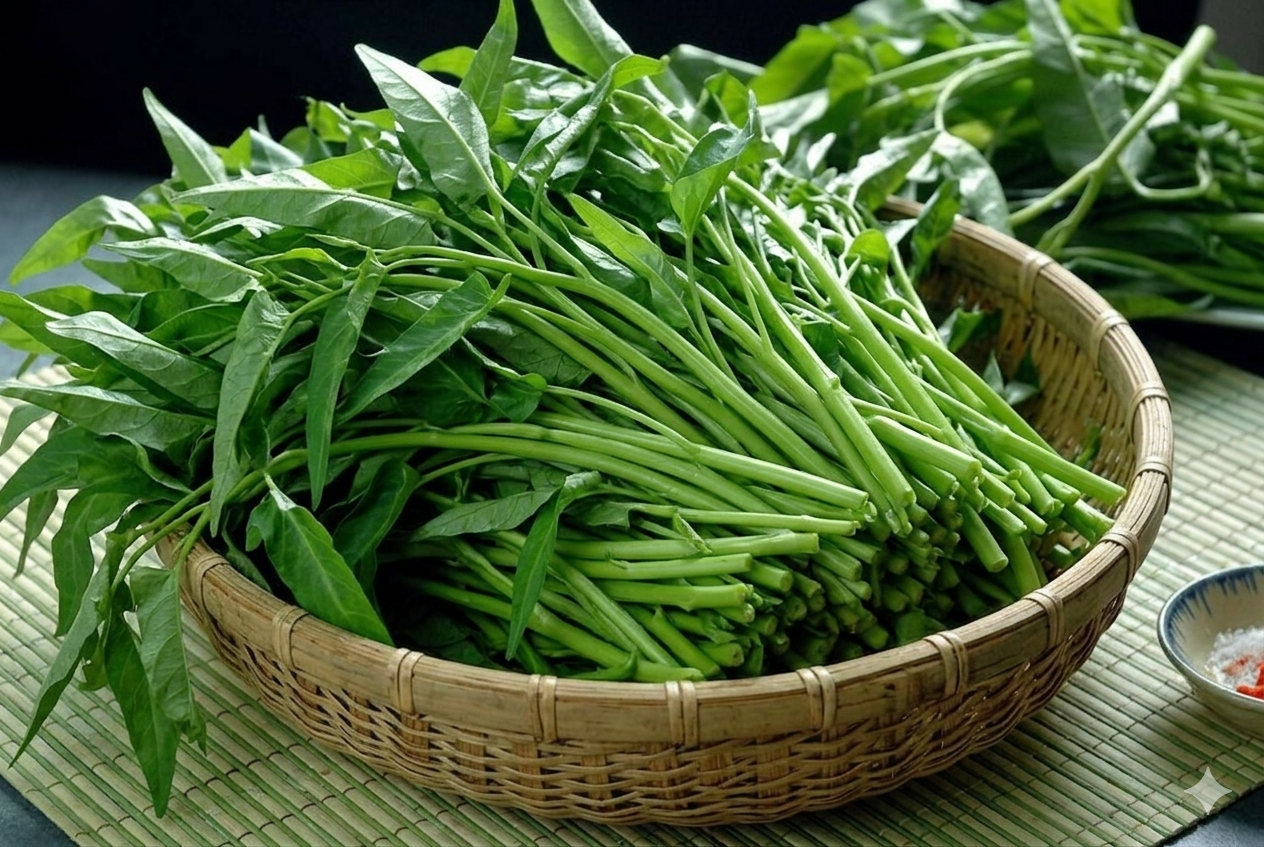
When a Healthy Food Becomes a Problem
For most healthy adults, eating a variety of vegetables is an important part of a balanced diet.
However, people do not all process nutrients in exactly the same way.
A food that is perfectly reasonable for one person may need to be limited by another person because of a specific medical condition.
This is particularly relevant to kidney health.
The kidneys continuously filter the blood, remove metabolic waste, regulate fluid balance, and help maintain appropriate levels of minerals and electrolytes.
When kidney function is impaired, the body's ability to handle certain substances can change.
Similarly, some people are naturally more susceptible to forming kidney stones.
That is where certain vegetables and their naturally occurring compounds can become relevant.
The Kidney Connection: Oxalates
One of the most frequently discussed dietary compounds in relation to kidney stones is oxalate.
Oxalate occurs naturally in many plant foods. Some vegetables contain considerably more of it than others.
When oxalate reaches the digestive tract, some of it can be absorbed into the bloodstream and eventually eliminated through the kidneys.
In susceptible individuals, oxalate can combine with calcium in the urine and contribute to the formation of calcium oxalate kidney stones, which are the most common type of kidney stone.
This does not mean that everyone should avoid foods containing oxalates.
For most people, vegetables containing oxalates can still be part of a healthy diet.
The concern is much more specific for people who have a history of calcium oxalate stones, certain intestinal conditions, or particular metabolic abnormalities.
Kidney Stones Are Not the Same as Kidney Failure
This distinction is extremely important.
A headline saying that a vegetable was “linked to kidney problems” can easily make readers think that eating the food directly damages the kidneys.
That conclusion may be completely unwarranted.
Kidney stones and chronic kidney disease are different conditions.
Kidney stones are hard deposits that develop inside the urinary tract. They can cause severe pain when they move through the urinary system.
Chronic kidney disease, meanwhile, involves persistent abnormalities or reduced kidney function over time.
A person can have kidney stones without having chronic kidney disease.
Likewise, chronic kidney disease can occur for many reasons unrelated to dietary oxalate.
Therefore, any individual case needs to be evaluated in its proper medical context.
Why Hydration Matters So Much
When discussing kidney stones, hydration deserves special attention.
Urine that is highly concentrated provides a more favorable environment for certain minerals to crystallize.
Drinking an appropriate amount of fluid helps dilute urine and is an important component of kidney-stone prevention for many people.
However, there is no universal amount of water that every person should drink.
Fluid needs vary according to body size, climate, physical activity, diet, medications, and health conditions.
Someone who works outdoors in hot weather may need considerably more fluid than someone who spends most of the day in a cool environment.
On the other hand, people with certain heart or kidney conditions may be given individualized fluid recommendations by their healthcare team.
More water is not automatically better.
The goal is appropriate hydration for the individual.
The Role of Calcium May Surprise You
People who are concerned about oxalates sometimes assume that the best strategy is to eliminate calcium from their diet.
That can actually be counterproductive.
For many people prone to calcium oxalate stones, getting an appropriate amount of dietary calcium can help because calcium in the digestive tract can bind with oxalate and reduce the amount of oxalate available for absorption.
This is one reason kidney-stone prevention is more complicated than simply creating a list of “good” and “bad” foods.
The overall dietary pattern matters.
A healthcare professional may recommend adjustments based on the specific type of stone a person has formed and the results of urine testing.
Cooking Can Change Oxalate Levels
The way vegetables are prepared can sometimes influence their oxalate content.
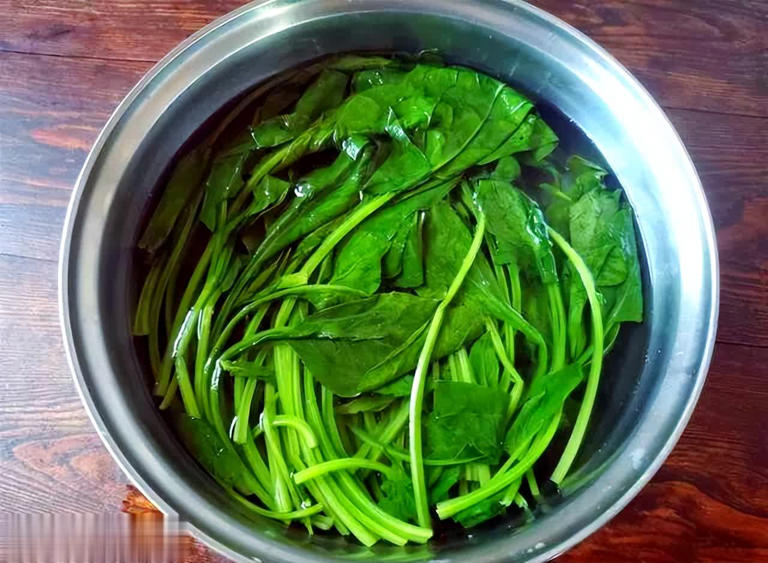
For certain high-oxalate vegetables, boiling and discarding the cooking water can reduce soluble oxalates because some of these compounds move into the water during cooking.
However, this does not mean that cooking eliminates all oxalates or makes a high-oxalate food risk-free for someone who has been advised to restrict oxalate.
Preparation method is only one part of the picture.
If a person has recurrent kidney stones, dietary recommendations should ideally come from a clinician or registered dietitian familiar with kidney-stone prevention.
Who Should Be More Careful?
A healthy 42-year-old who occasionally eats a vegetable is generally very different from someone who has recurrent kidney stones or established kidney disease.
People who may need individualized dietary advice include those with:
-
A history of calcium oxalate kidney stones
-
Recurrent kidney stones
-
Chronic kidney disease
-
Certain intestinal disorders that increase oxalate absorption
-
A history of unusually high urinary oxalate
-
Certain metabolic or genetic conditions
-
Specific dietary restrictions prescribed by a physician
For these individuals, simply following generic advice from social media may not be enough.
A diet that is appropriate for one kidney condition may not be appropriate for another.
Symptoms You Should Never Ignore
Kidney problems can sometimes develop without obvious symptoms, particularly during their early stages.
However, kidney stones and urinary problems may produce noticeable symptoms.
Potential warning signs include:
Severe pain in the side or back: Kidney-stone pain can be intense and may move toward the abdomen or groin.
Blood in the urine: Urine may appear pink, red, or brown.
Painful urination: Burning or discomfort can occur with urinary tract problems.
Frequent urination: A persistent change in urinary frequency deserves attention.
Nausea or vomiting: These can accompany severe kidney-stone pain.
Fever or chills: When combined with urinary symptoms, fever can signal an infection requiring prompt medical attention.
Reduced urine output: A significant or sudden decrease in urination can be serious.
Not every one of these symptoms indicates kidney disease. But unexplained or persistent symptoms should not be ignored.
A Kidney Stone Can Be Extremely Painful
People who have never experienced a kidney stone sometimes underestimate how severe the pain can be.
A stone can obstruct the normal flow of urine as it moves through the urinary tract.
The resulting pain may come in waves and can radiate from the back or side toward the lower abdomen or groin.
Some people also experience nausea, vomiting, sweating, or an intense need to urinate.
A suspected kidney stone should be medically evaluated, particularly when pain is severe or symptoms are accompanied by fever, chills, or difficulty urinating.
Don't Blame One Vegetable Too Quickly
This is perhaps the most important lesson from stories like the one involving the 42-year-old man.
It is tempting to look at a single food and conclude:
“That food caused the kidney problem.”
Medical conditions are rarely that simple.
A person's kidney health may be influenced by genetics, fluid intake, sodium consumption, body weight, medications, diabetes, blood pressure, previous stones, urinary chemistry, intestinal health, and many other factors.
Even when a food is associated with a particular condition, association does not automatically establish direct causation.
A reported case can raise an important question without proving that the same thing will happen to everyone who eats that food.
What About People With Healthy Kidneys?
For most people without a relevant medical condition, the answer is reassuring.
Vegetables remain an important part of a healthy diet.
There is generally no reason to become afraid of vegetables simply because certain foods can pose dietary considerations for people with specific kidney conditions.
Instead of eliminating entire categories of foods, a better approach is to eat a varied diet and pay attention to individual medical needs.
If you have never had kidney stones and have normal kidney function, your doctor may have no reason to recommend a strict low-oxalate diet.
Unnecessary dietary restriction can sometimes make it harder to obtain enough fiber and other nutrients.
Kidney Health Is About the Whole Diet
A person's kidney health is not determined by one ingredient.
Several broader dietary habits can matter.
Watch excessive sodium
High sodium intake can increase urinary calcium in some people and may contribute to kidney-stone risk. It also raises blood pressure, which is a major risk factor for chronic kidney disease.
Eat plenty of varied plant foods
Rather than focusing on one “superfood,” aim for variety.
Different vegetables provide different vitamins, minerals, fiber, and beneficial plant compounds.
Maintain appropriate hydration
Adequate fluid intake helps maintain healthy urine volume and is particularly important for many people who form kidney stones.
Limit highly processed foods
Many ultra-processed foods can be high in sodium and added sugars while providing relatively little nutritional value.
Maintain a healthy weight
Excess body weight is associated with increased risk of kidney stones and several conditions that can damage kidney function.
Be Careful With “Kidney Detox” Claims
Whenever kidney-related stories become popular online, advertisements for detox drinks, herbal mixtures, and supplements often appear alongside them.
Be skeptical.
Your kidneys already perform the body's natural filtration functions. There is no need for a special beverage to “flush toxins” out of healthy kidneys.
Some supplements can actually create problems.
Certain herbal products may contain substances that interact with medications or affect the liver or kidneys. Supplements can also vary considerably in quality and concentration.
If you have kidney disease or take medications, speak with a healthcare professional before starting supplements marketed for “kidney cleansing” or “kidney detox.”
What Tests Can Check Kidney Health?
If there is genuine concern about kidney function, guessing based on food intake or symptoms is not enough.
Doctors can use several tests.
A blood creatinine test can help estimate kidney filtration through the eGFR.
A urine test can detect blood, protein, and other abnormalities.
A urine albumin-to-creatinine ratio, often called UACR, can identify abnormal albumin loss that may indicate kidney damage.
For suspected kidney stones, doctors may use imaging and, in some cases, analyze a stone after it has been passed or removed.
These tests provide much more useful information than trying to determine kidney health based on the appearance of urine or how a particular food makes you feel.
When a Healthy Habit Needs Personalization
The broader lesson is not that people should stop eating vegetables.
It is that nutrition needs to be individualized when a medical condition is present.
A food can be highly nutritious and still require moderation in certain circumstances.
For example, a person with a particular kidney condition may need to pay attention to potassium or phosphorus. Someone with recurrent calcium oxalate stones may need to manage dietary oxalate and sodium while maintaining adequate calcium and fluid intake.
The correct dietary plan depends on the person's diagnosis and laboratory results.
That is why blanket statements such as “everyone should avoid this vegetable” can be misleading.
The Bottom Line
The story of a 42-year-old man whose kidney problems were reportedly linked to a popular vegetable is a reminder that even healthy foods can require consideration in people with specific medical conditions.
But it would be a mistake to conclude that the vegetable itself is inherently dangerous.
For most healthy people, vegetables remain an essential part of a balanced diet.
The real concern is more specific: certain vegetables can contain compounds such as oxalate, and these may be relevant to people who are prone to particular types of kidney stones or who have certain health conditions.
If you have a history of kidney stones, chronic kidney disease, or unexplained urinary symptoms, don't rely on viral health claims to decide what you should eliminate from your diet.
Talk with a healthcare professional, identify the actual cause of the problem, and make dietary changes based on your individual medical needs.
And if you experience severe side or back pain, blood in your urine, fever with urinary symptoms, repeated vomiting, difficulty urinating, or a sudden major reduction in urine output, seek medical attention promptly.
The goal isn't to fear healthy foods. It's to understand that the right diet depends on the person and when it comes to kidney health, informed moderation is usually far more useful than unnecessary restriction.