40-year-old mother forced to undergo hysterectomy due to can.cer; her third-grade daughter has already started menst.ruating: Doctors point to the “culprit” in everyday food
Seemingly harmless daily habits and eating patterns can sometimes push an entire family into serious hormonal imbalance.
A 40-year-old woman in Taiwan (China) sought medical help for recurrent urinary tract infections. Her medical history showed that she drank enough water and did not hold her urine, but she had unusually excessive vaginal discharge. After being referred to the gynecology department, doctors discovered that she had endometrial cancer and had to undergo a hysterectomy to save her life.
The tragedy did not stop there. Her daughter, only in third grade, was also hospitalized due to persistent genital infections — and early menstruation. Tests revealed that the child had an advanced bone age and abnormally high estrogen levels. When doctors examined the family more closely, they noticed the opposite problem in the woman’s middle-school-aged son: typical male puberty signs such as body hair growth and a developing Adam’s apple had not appeared. The reason was excessive estrogen exposure in his body, which suppressed male hormones.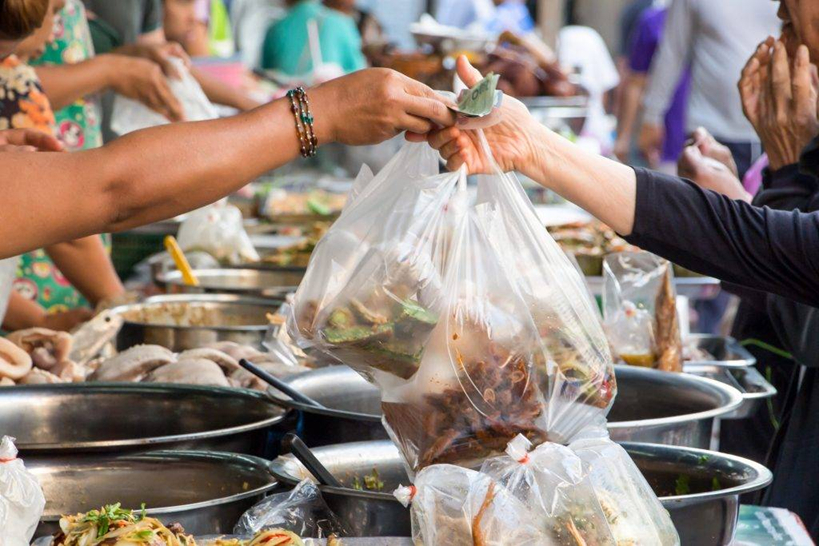
These abnormalities led doctors to suspect chemical exposure. After detailed questioning about the family’s lifestyle, a common habit emerged: the entire family frequently ate takeaway meals and drank hot soup stored in nylon plastic bags. Due to work commitments, the mother bought outside food almost daily and asked vendors to package hot food in plastic bags for convenience.
Subsequent tests showed that DEHP, a type of plasticizer (phthalate), was present in the family’s bodies at levels 3 to 5 times higher than safety limits.
Doctors explained that these chemicals have structures similar to natural hormones in the human body and can easily disrupt the endocrine system. In females, they may trigger early puberty and increase the risk of endometrial and breast cancer. In males, phthalates can delay or alter sexual development, leading to delayed puberty or reproductive disorders. These substances are widely found in plastic containers, vinyl flooring, stationery, and even thermal receipt paper. When exposed to heat or oily foods, they are even more likely to leak out and enter the human body.
To reduce exposure risk, experts advise avoiding direct contact between hot food and plastic packaging. When buying takeaway food, people should use stainless steel containers or other heat-safe materials. In addition, unnecessary contact with plastic products should be minimized, cosmetics or fragranced products of unclear origin should be avoided, and adequate water intake should be maintained to help flush hormone-disrupting chemicals from the body.
Authorities from Taiwan’s food safety agency have also warned that microplastics are widespread in marine environments, ranging in size from bacteria-like particles to soybean-sized fragments. These primarily come from degraded plastic products or exfoliating cosmetics, increasing the risk of entering the human food chain.
The story of this 40-year-old woman’s family serves as a powerful reminder that everyday items we use can have long-term effects on health far beyond what we imagine. Sometimes, just one small habit is enough for an entire family to pay a heavy price — including their health and a child’s childhood.