Why Your Child Is Itching More at Night—The Surprising Reason
If your child frequently wakes up scratching, complains that their bottom itches at bedtime, or seems restless throughout the night, there may be a reason you haven't considered: pinworms.
Although the thought of worms can be unsettling, pinworm infections are actually one of the most common parasitic infections among children. They are generally harmless, but they can cause significant discomfort—especially at night.
What Are Pinworms?
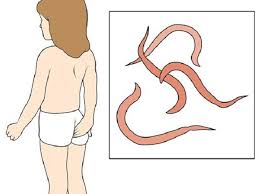
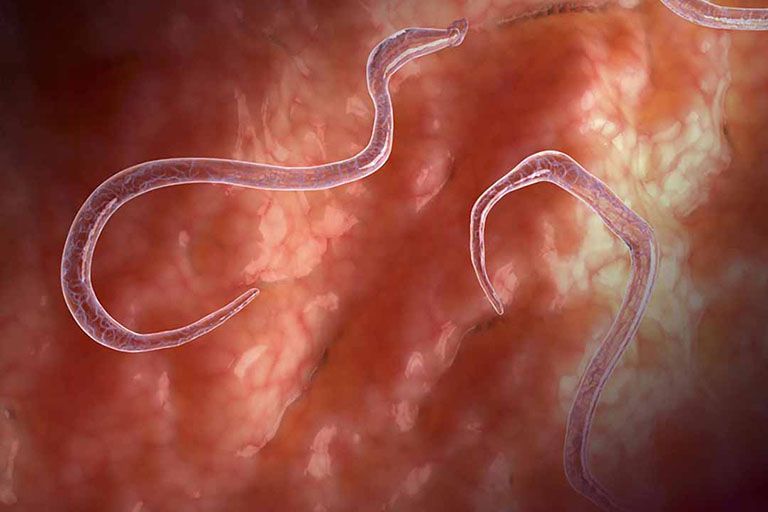
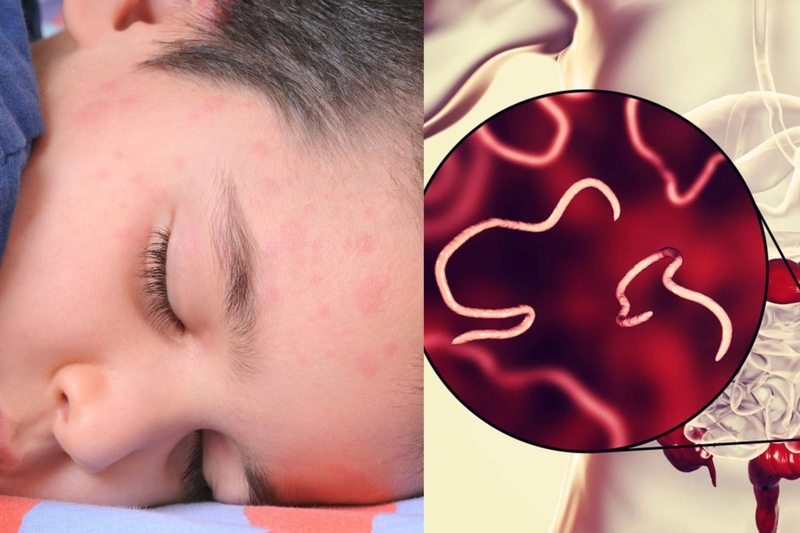
Pinworms are tiny, thin, white worms that live in the large intestine and rectum. They are especially common among preschool- and school-age children because the infection spreads easily through close contact and contaminated surfaces.
The worms are small—usually about the length of a staple—but they can cause intense itching and sleep disturbances. Fortunately, they are treatable and rarely lead to serious health problems.
Why Does the Itching Get Worse at Night?
The answer lies in the pinworm's life cycle.
At night, while a child is asleep, female pinworms crawl out of the anus and lay thousands of microscopic eggs on the surrounding skin. This process triggers irritation and itching, often causing children to wake up scratching.
Because the worms are most active during sleeping hours, symptoms tend to become much more noticeable after bedtime. Many parents report that their child seems perfectly fine during the day but becomes increasingly uncomfortable at night.
Common Signs of a Pinworm Infection
Symptoms can vary from child to child, but common signs include:
- Intense itching around the anus, especially at night
- Restless sleep or frequent waking
- Irritability and crankiness due to poor sleep
- Difficulty concentrating during the day
- Scratching of the genital area in girls
- Occasional stomach discomfort
Some children may have no symptoms at all, making the infection difficult to detect. In certain cases, parents may notice tiny white thread-like worms near the anus or in underwear.
How Do Children Get Pinworms?
Pinworms spread through microscopic eggs.
A child may touch contaminated bedding, clothing, toys, bathroom surfaces, or other objects and then accidentally transfer the eggs to their mouth. Once swallowed, the eggs hatch in the intestines and mature into adult worms.
Because young children frequently touch their faces and may not wash their hands thoroughly, pinworms can spread rapidly in homes, schools, and daycare centers.
Why Reinfection Is So Common
One of the most frustrating aspects of pinworms is how easily they return.
When a child scratches the itchy area, eggs can become trapped under their fingernails. Those eggs may then spread to bedding, clothing, toys, and household surfaces. If the eggs are swallowed again, the cycle starts over.
Many families report that symptoms improve after treatment but return weeks later because of reinfection rather than treatment failure. Community discussions among parents often describe the challenge of breaking this cycle completely.
How Are Pinworms Diagnosed?
Doctors often diagnose pinworms based on symptoms and a simple "tape test."
This involves pressing clear adhesive tape against the skin around the anus first thing in the morning before bathing or using the bathroom. The tape may collect eggs that can then be examined.
In some cases, parents may actually see the tiny worms around the anal area at night or early in the morning.
Treatment Options
Pinworms are usually treated with anti-parasitic medications. Treatment often involves two doses given approximately two weeks apart to help eliminate newly hatched worms.
Because pinworms spread so easily, healthcare providers may recommend treating all household members at the same time, even if they don't have symptoms.
Preventing Future Infections
Good hygiene plays a major role in preventing reinfection:
- Wash hands thoroughly after using the bathroom and before eating.
- Keep fingernails short and clean.
- Change underwear daily.
- Wash bedding and pajamas regularly.
- Encourage children to avoid nail-biting and thumb-sucking.
- Bathe each morning to help remove eggs from the skin.
When Should Parents See a Doctor?
If your child experiences persistent nighttime itching, sleep disruption, unexplained irritability, or if you suspect pinworms, it's a good idea to contact a healthcare professional.
While pinworms are generally not dangerous, proper diagnosis and treatment can help relieve symptoms and prevent the infection from spreading to others.
The Bottom Line
If your child seems unusually itchy at night, pinworms may be the culprit. The infection is common, highly contagious, and often causes nighttime itching because female worms lay eggs while children sleep. Fortunately, with proper treatment and hygiene measures, most infections can be successfully managed.
The sooner the cause is identified, the sooner your child—and the rest of the family—can enjoy a more comfortable night's sleep.