What Eating Avocados Really Does to Your Body—And When You Should Be Careful
Avocados have become a favorite food for people looking for a nutritious addition to their diet. They’re creamy, filling, and packed with nutrients—but does eating them every day always make sense for everyone?
Doctors and nutrition experts generally consider avocados a healthy food, but there are a few things worth knowing about how they may affect your body.
1. They provide heart-friendly fats
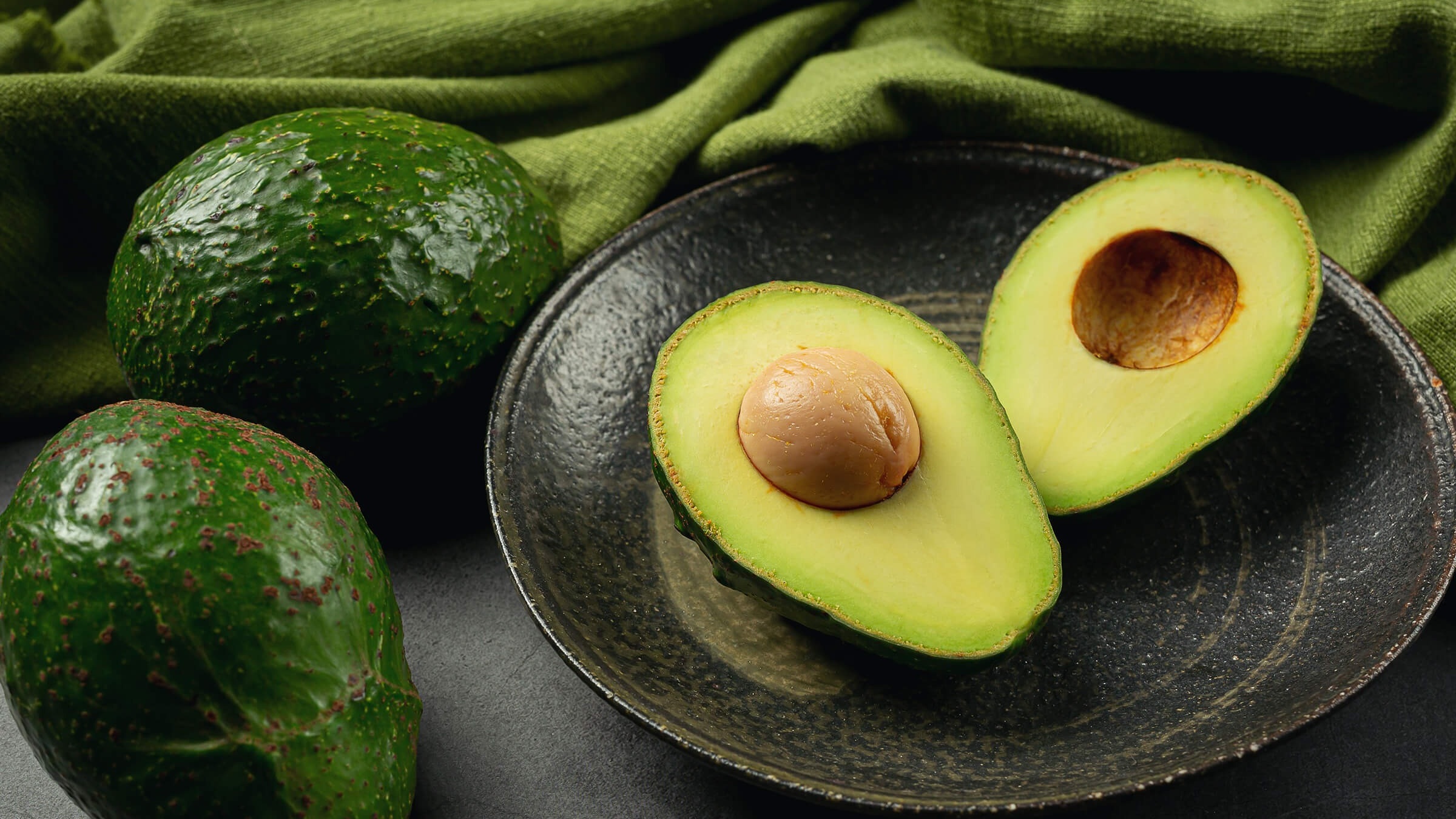
Avocados are rich in monounsaturated fats, particularly oleic acid. Replacing foods high in saturated fat with sources of unsaturated fat can support healthier cholesterol levels and overall heart health.
That doesn't mean eating unlimited amounts is better. Avocados are relatively calorie-dense, so portion size still matters.
2. They can help you feel full longer
One reason avocados are popular in balanced diets is their combination of healthy fats and fiber. These nutrients can contribute to feelings of fullness, which may make it easier to avoid unnecessary snacking between meals.
Adding a reasonable portion to meals may therefore be useful for people trying to build a more satisfying diet.
3. Your digestive system may benefit from the fiber
Avocados contain dietary fiber, which supports normal digestion and bowel regularity.
However, suddenly eating a large amount of high-fiber food can cause bloating, gas, or abdominal discomfort in some people. If your diet is currently low in fiber, increasing it gradually and drinking enough water may be more comfortable.
4. They provide important vitamins and minerals

Avocados contain nutrients such as potassium, folate, vitamin K, vitamin E, and vitamin B6.
Potassium is especially important for normal muscle and nerve function and plays a role in maintaining healthy blood pressure. Still, an avocado shouldn't be viewed as a treatment for high blood pressure or any other medical condition.
5. They may help improve the overall quality of your diet
Perhaps the biggest advantage of avocados is not one “miracle” effect, but what they can replace.
Using avocado instead of foods high in saturated fats—such as certain processed spreads or fatty ingredients—can make an overall eating pattern more heart-friendly.
But there are situations where you may need to be more careful
Avocados are nutritious, but they aren't ideal for every person in unlimited amounts.
People who have been advised to restrict potassium because of certain kidney problems may need to discuss avocado intake with their healthcare professional. Avocados can also be surprisingly high in calories compared with many fruits, so large portions may matter if you're carefully managing your calorie intake.
And if you have an avocado allergy, eating it can cause symptoms ranging from mild oral irritation to a more serious allergic reaction.
So, should you stop eating avocados?

For most healthy adults, there is no general reason to avoid avocados. In fact, they can be a valuable part of a balanced diet.
The key is how much you eat and what you eat them with.
Instead of thinking of avocado as a food that is either “good” or “bad,” consider it one nutritious ingredient among many. Pairing a moderate portion with vegetables, whole grains, beans, eggs, fish, or other minimally processed foods can make for a balanced meal.
The real takeaway isn't that avocados are dangerous. It's that even healthy foods work best when eaten in the right amount and as part of an overall healthy diet.
What’s your favorite way to eat avocado—on toast, in a salad, or straight from the bowl?