Beets have developed a reputation as one of the most interesting vegetables for people who want to improve their diet. Their deep red-purple color comes from natural plant pigments, while the vegetable provides fiber, folate, potassium, and other nutrients. But headlines suggesting that eating beets automatically “causes” a particular disease or dramatic health change oversimplify the science.
For most people, beets can be a nutritious part of a balanced eating pattern. The American Heart Association’s current dietary guidance emphasizes eating a wide variety of vegetables and fruits, choosing minimally processed foods, and building overall dietary patterns rather than relying on a single food.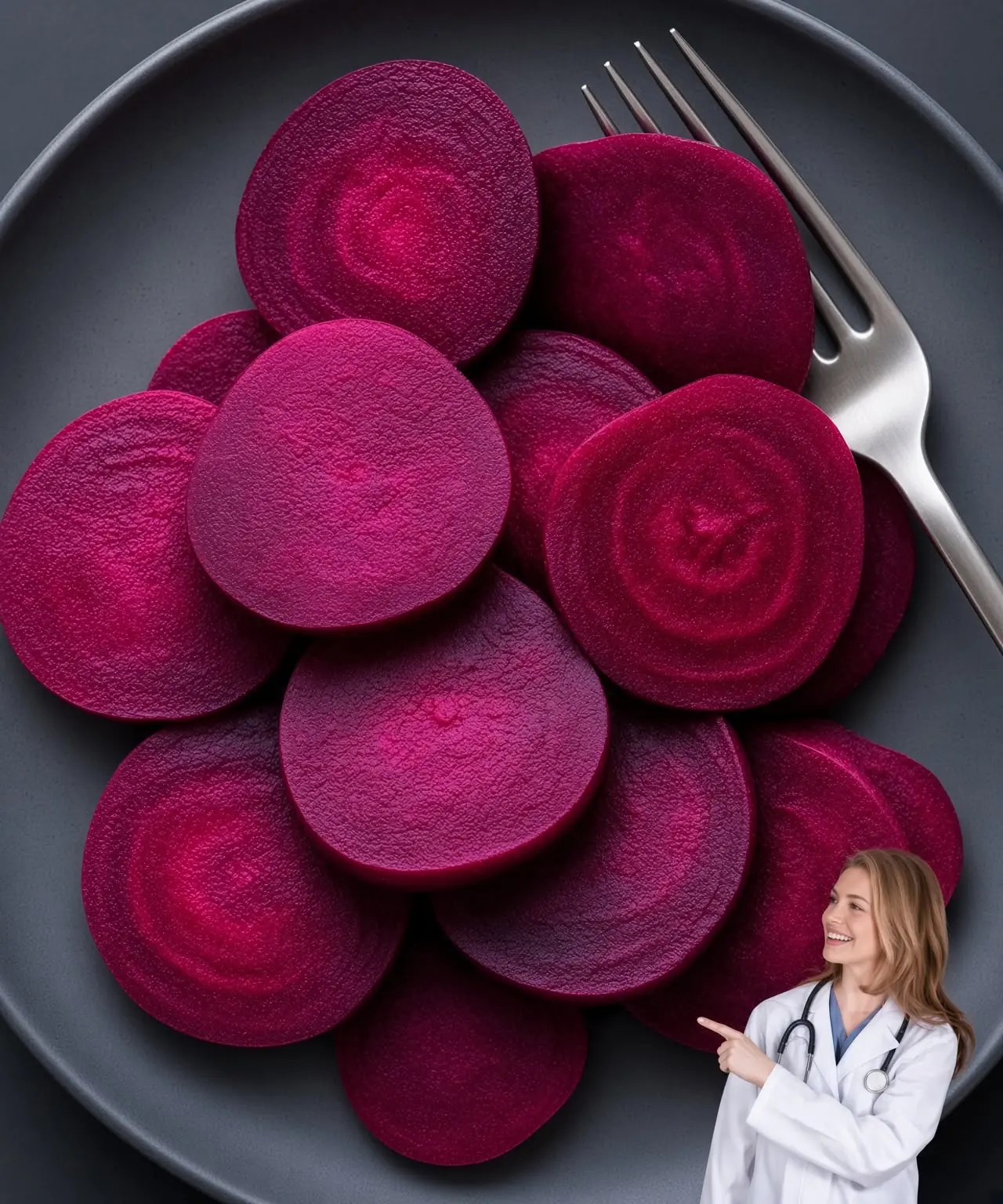
One of the most discussed characteristics of beets is their naturally occurring dietary nitrate. The body can convert nitrate into nitric oxide, a molecule involved in blood-vessel function. Research has therefore examined whether beetroot and other nitrate-rich vegetables may influence blood pressure. Some evidence is encouraging, but beetroot should not be considered a replacement for prescribed blood-pressure treatment.
This distinction is important because high blood pressure often develops without obvious symptoms. Current guidelines emphasize lifestyle measures such as a heart-healthy eating pattern, regular physical activity, maintaining a healthy weight, and reducing sodium. Medication may also be necessary for some people.
Beets can also contribute fiber to the diet. Fiber supports normal digestion and can help make meals more satisfying. Instead of treating beets as a special cure, nutrition experts generally recommend including them alongside other vegetables, whole grains, legumes, nuts, healthy proteins, and fruits.
There is, however, one issue that deserves attention: oxalates. Beets contain oxalate, and people who have previously developed certain types of kidney stones may need personalized dietary advice. The National Institute of Diabetes and Digestive and Kidney Diseases explains that people with calcium oxalate stones may need to adjust their intake of oxalate-containing foods, depending on their individual circumstances.
That does not mean everyone should avoid beets. Kidney-stone prevention depends on the type of stone, overall diet, hydration, sodium intake, and other individual factors. Drinking enough water is particularly important for preventing many kidney stones. Anyone with recurrent stones should discuss dietary choices with a healthcare professional rather than eliminating foods unnecessarily.
Another harmless effect can surprise people who are unfamiliar with beets. Their natural pigments can temporarily turn urine or stool pink or reddish after eating them. This can look alarming, but the color may simply reflect beet pigments. However, unexplained blood in urine or stool should never automatically be attributed to food and should be medically evaluated.
How beets are prepared also matters. A simple roasted or boiled beet can fit easily into a healthy meal, while heavily salted or sugar-rich beet products may provide a very different nutritional profile. Beet juice can also be concentrated compared with eating the whole vegetable and may contain less fiber.
The biggest takeaway is that there is no single food capable of transforming health overnight. Beets may provide useful nutrients and naturally occurring nitrate, and they can be an enjoyable addition to a varied diet. At the same time, people with specific medical conditions, particularly recurrent kidney stones or conditions requiring dietary restrictions, should seek individualized advice.
So, rather than asking whether eating beets “causes” something mysterious, a better question is how they fit into your overall diet. Used sensibly and combined with a variety of vegetables and other minimally processed foods, beets can be a colorful and nutritious choice without the exaggerated promises often found in viral health headlines.