A potato can contribute potassium to the diet, especially when it is prepared without excessive salt. For people who consume many processed foods, replacing some of those foods with simple potato dishes may potentially improve the nutritional quality of their meals.
However, the benefits depend on what the potato replaces.
If a baked potato replaces a highly processed snack, the overall meal may become more nutritious. If the potato is deep-fried, heavily salted, and served alongside several other high-sodium foods, the potential nutritional advantage may be reduced.
Potatoes also contain vitamin C.
Vitamin C is involved in collagen formation, wound healing, immune function, and the protection of cells from oxidative stress. It also helps the body absorb non-heme iron, the type of iron found in plant foods.
Although potatoes are not typically considered the richest source of vitamin C compared with certain fruits and vegetables, they can still contribute to daily intake.
The amount retained depends partly on how potatoes are prepared. Vitamin C is sensitive to heat and can be lost during cooking, particularly when potatoes are cut into small pieces and boiled in large amounts of water for extended periods.
Cooking methods that minimize excessive water exposure and cooking time may help preserve more of certain nutrients.
Vitamin B6 is another nutrient found in potatoes.
This vitamin is involved in numerous metabolic processes, including the metabolism of amino acids and the production of certain neurotransmitters. It also plays a role in the formation of hemoglobin, the protein in red blood cells responsible for transporting oxygen.
Eating potatoes as part of a varied diet can therefore contribute to vitamin B6 intake.
But it is important to avoid the temptation to assign extraordinary effects to one food.
Potatoes are not a treatment for vitamin deficiencies, immune disorders, cardiovascular disease, or other medical conditions. Their nutrients contribute to normal body functions, but those functions depend on a wide range of nutrients and biological processes.
The potato also contains plant compounds, including various phenolic compounds. The composition differs among potato varieties, and some colorful varieties may contain additional pigments and antioxidant compounds.
Purple and red potatoes, for example, may contain anthocyanins, the pigments responsible for some of their colors. These compounds are also found in other colorful plant foods and have been studied for their potential biological effects.
However, laboratory findings about antioxidants do not automatically translate into dramatic health outcomes for people who eat a particular food.
The practical message is not that people need to seek out a specific potato variety to obtain a health benefit. It is that potatoes can contribute to dietary diversity, and choosing different varieties of vegetables can help broaden the range of nutrients and plant compounds consumed.
There is another reason potatoes deserve a more balanced reputation: they can be part of an eating pattern that supports cardiovascular health.
A potato prepared with little added salt and fat can contribute nutrients while providing a satisfying source of carbohydrate. It can also be combined with vegetables, beans, lean proteins, and other foods that form the foundation of a balanced meal.
For example, a baked potato topped with beans and vegetables is nutritionally different from a large portion of fries served with processed meat and a salty sauce.
The first meal may provide a combination of carbohydrates, fiber, protein, and several micronutrients. The second may contain substantially more sodium and fat, depending on its preparation.
This is why dietary recommendations often emphasize eating patterns rather than labeling individual foods as universally good or bad.
Potatoes can fit into a healthy diet.
But there is an important caveat that becomes particularly relevant for people with certain metabolic conditions.
The carbohydrates in potatoes can influence blood glucose levels, and the effect may be more significant for some individuals than for others.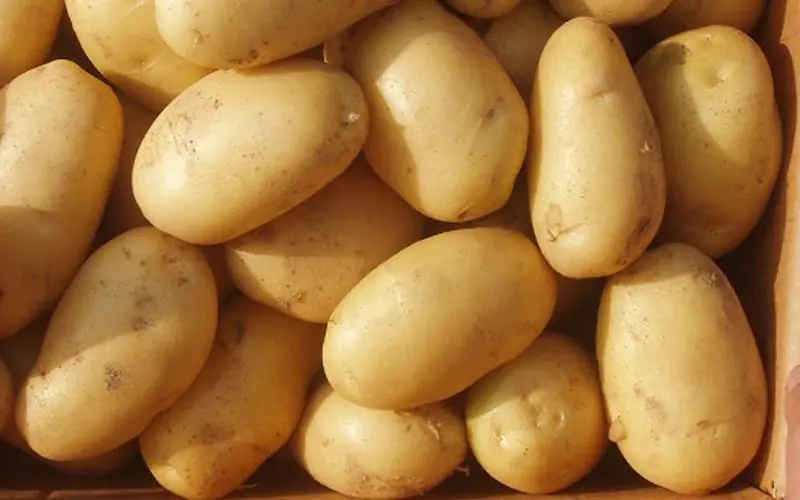
Chapter 4: The Blood Sugar Question—Why Potatoes Can Affect People Differently
For people concerned about blood sugar, potatoes deserve careful consideration.
Potatoes contain starch that is broken down into glucose during digestion. Depending on the type of potato, cooking method, portion size, and what else is eaten with it, potato consumption can cause blood glucose to rise.
The speed and magnitude of that rise may vary considerably.
Some potato preparations can have a relatively high glycemic response, meaning that the carbohydrates may be absorbed and lead to a more rapid increase in blood glucose compared with certain other foods.
But the glycemic response is not determined by the potato alone.
A meal containing potatoes alongside protein, fiber-rich vegetables, and other foods may produce a different response than a meal consisting primarily of potatoes. The total amount of carbohydrate consumed is also important.
For someone with diabetes or prediabetes, portion size may therefore matter more than simply deciding whether potatoes are allowed.
It is also important to remember that different people respond differently to the same meal. Blood glucose patterns can be influenced by insulin sensitivity, medication, physical activity, sleep, stress, illness, and individual metabolic differences.