Chia seeds may be tiny, but they contain a surprisingly concentrated combination of nutrients.
Over the past few years, they have become a popular addition to smoothies, yogurt bowls, oatmeal, salads, and homemade puddings. Their appeal is easy to understand: they require almost no preparation, have a mild flavor, and can add fiber, plant-based omega-3 fatty acids, protein, and minerals to a meal.
But eating chia seeds every day raises an important question:
What actually happens to your body when you make them part of your regular diet?
The answer isn't that chia seeds suddenly transform your health or prevent disease. Instead, their potential effects come from the nutrients they provide—and from how those nutrients interact with the rest of your diet.
For some people, regular chia seeds may support digestive health, fullness, and a heart-conscious eating pattern. For others, eating too much too quickly can cause bloating, gas, constipation, or discomfort.
And there's one particularly important point that is often overlooked:
How you consume chia seeds matters.
Here's what you should know before making them a daily habit.
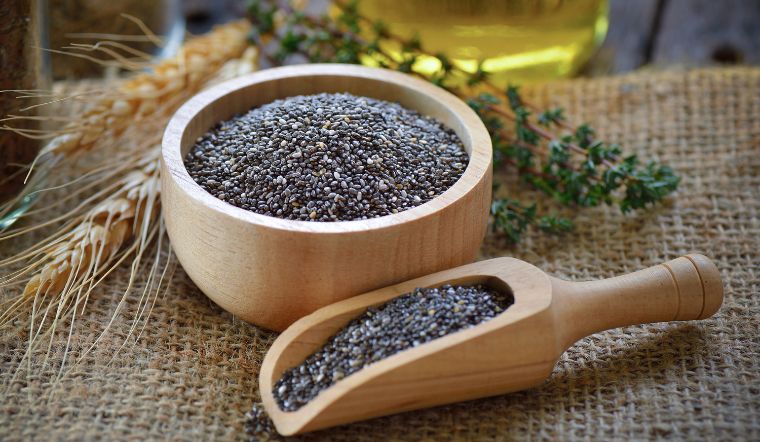
1. You May Be Getting Much More Fiber
One of the biggest nutritional features of chia seeds is their fiber content.
Fiber is important for digestive health, bowel regularity, blood-glucose management, and feelings of fullness. Yet many people don't consume enough of it.
Adding chia seeds to breakfast can therefore be a simple way to increase daily fiber intake.
The seeds contain a mixture of soluble and insoluble fiber. When exposed to liquid, chia seeds can absorb water and develop a gel-like coating. This characteristic is one reason they are often used in chia pudding.
Increasing fiber gradually can be beneficial, but there is a catch.
If your normal diet is relatively low in fiber and you suddenly start eating large amounts of chia seeds every day, your digestive system may not be thrilled.
You might experience:
-
Gas
-
Bloating
-
Abdominal discomfort
-
Changes in bowel movements
-
Constipation, particularly if fluid intake is inadequate
So more isn't necessarily better.
Start with a modest amount and give your body time to adjust.
2. Your Bowel Movements May Become More Regular
For people who don't get enough fiber, chia seeds may help support regular bowel movements.
Fiber adds bulk to stool and can influence how quickly material moves through the digestive tract.
The soluble fiber in chia seeds also absorbs water, which contributes to their distinctive gel-like texture.
But fiber needs adequate fluid to work comfortably.
If you dramatically increase fiber while drinking very little, you may actually feel more constipated.
That's why adding chia seeds to your diet should usually go hand in hand with adequate hydration, unless a healthcare professional has told you to restrict fluids.
And if you already have persistent constipation, don't assume chia seeds are the solution.
Long-lasting constipation can have many causes, including medications, thyroid problems, inadequate activity, digestive disorders, and other medical conditions.
3. You May Feel Fuller After Meals
Another reason chia seeds have become popular is their ability to contribute to satiety.
Fiber tends to slow digestion and can help meals feel more satisfying.
Chia seeds also provide fat and some protein, both of which can contribute to fullness.
For someone who regularly feels hungry shortly after breakfast, adding chia seeds to a meal may help make it more substantial.
For example, a bowl of plain yogurt with berries and chia seeds can provide a combination of:
-
Protein
-
Fiber
-
Healthy fats
-
Carbohydrates
-
Vitamins and minerals
That can be more satisfying than a breakfast dominated by refined carbohydrates and added sugar.
However, chia seeds aren't a magic appetite suppressant.
If you add several spoonfuls of chia seeds to an already high-calorie meal, you're adding calories rather than eliminating them.
4. Chia Seeds Provide Plant-Based Omega-3 Fatty Acids
Chia seeds are particularly notable for their content of alpha-linolenic acid, or ALA.
ALA is a plant-based omega-3 fatty acid.
Omega-3 fats are important components of a healthy diet and play roles in normal cardiovascular and cellular function.
However, there's an important distinction between ALA and the omega-3 fats found in fatty fish.
Fish provides EPA and DHA.
Chia seeds primarily provide ALA.
The human body can convert some ALA into EPA and DHA, but the conversion is limited.
That means chia seeds can be a useful plant-based source of omega-3 fat, but they aren't nutritionally identical to salmon, sardines, or other oily fish.
For people who don't eat fish, chia seeds can still be a valuable addition to an overall nutritious diet.
5. They May Support a Heart-Healthy Eating Pattern
Because chia seeds contain fiber, ALA, and minerals, they can fit comfortably into a heart-conscious diet.
Some research has explored whether chia consumption affects cardiovascular risk factors such as cholesterol and blood pressure.
Results are not strong enough to suggest that chia seeds alone prevent heart disease.
That's an important distinction.
Heart health depends on many factors, including: