Doctors Reveal What Really Happens When You Eat Cashews
Cashews are a popular snack around the world—creamy, slightly sweet, and incredibly satisfying. But beyond their delicious taste, what actually happens to your body when you eat them regularly? According to doctors and nutrition experts, cashews can offer a range of health benefits—if consumed in moderation.
1. A Nutrient Boost for Your Body
Cashews are packed with essential nutrients like healthy fats, protein, magnesium, zinc, and iron. These nutrients play a key role in maintaining energy levels, supporting immune function, and promoting overall well-being. Magnesium, in particular, helps regulate muscle and nerve function.
2. Heart Health Support
Doctors often point out that cashews contain monounsaturated and polyunsaturated fats—often referred to as “good fats.” These can help reduce bad cholesterol (LDL) and support cardiovascular health when they replace less healthy fats in your diet.
3. Brain Function and Mood
Cashews are a natural source of nutrients that support brain health, including magnesium and tryptophan. These compounds may contribute to better mood regulation and cognitive function, making cashews a smart snack for mental wellness.
4. Weight Management—With a Catch
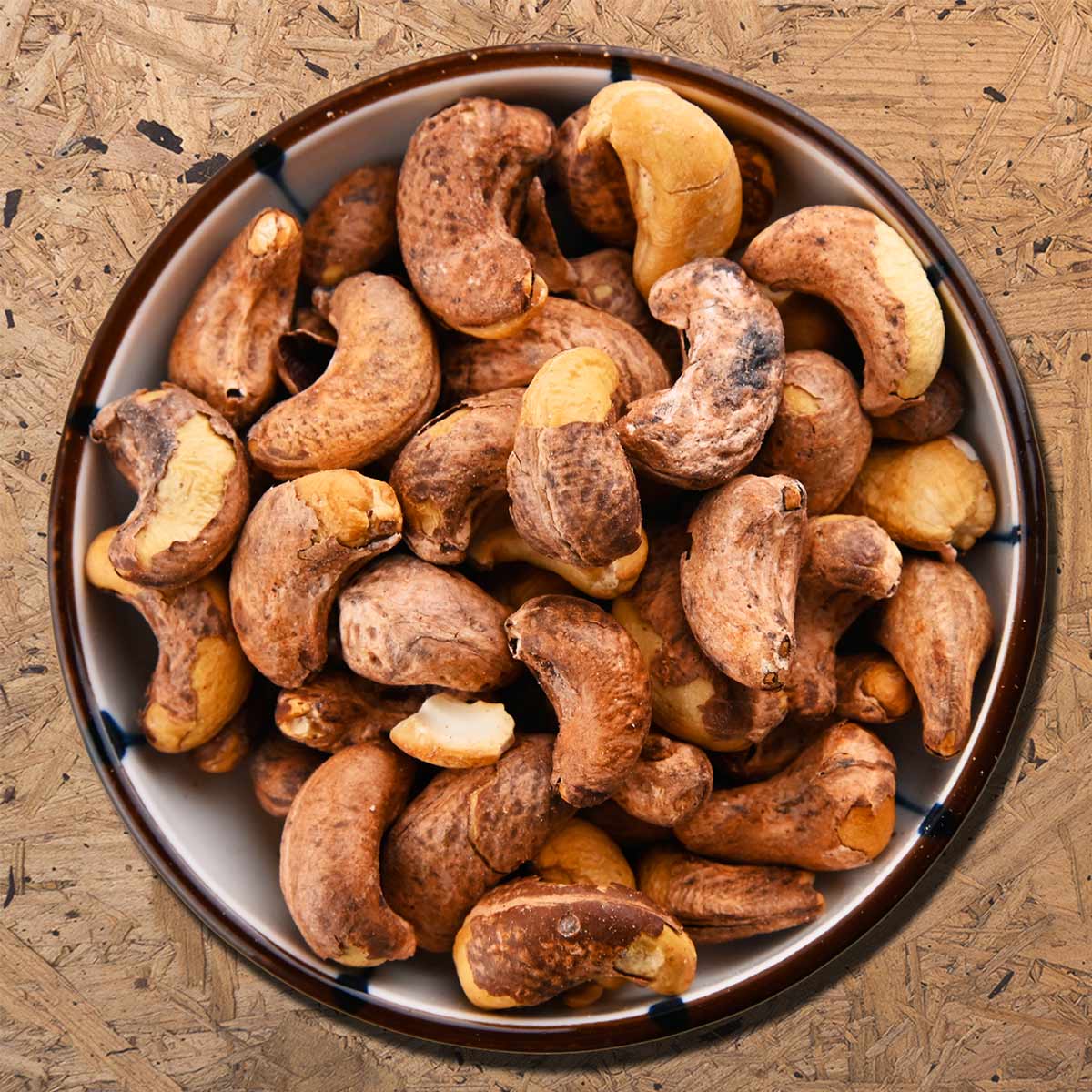
Although cashews are calorie-dense, they can still be part of a healthy diet. Their combination of protein and healthy fats helps you feel full longer, which may reduce overeating. However, portion control is essential—eating too many can quickly increase your calorie intake.
5. Blood Sugar Control
For people concerned about blood sugar levels, cashews have a relatively low glycemic index. This means they don’t cause sharp spikes in blood sugar, making them a better snack option compared to many processed foods.
6. Bone Health Benefits
Cashews provide minerals like magnesium and phosphorus, which are important for maintaining strong bones. Regular consumption in balanced amounts may contribute to long-term bone health.
7. Potential Downsides to Watch
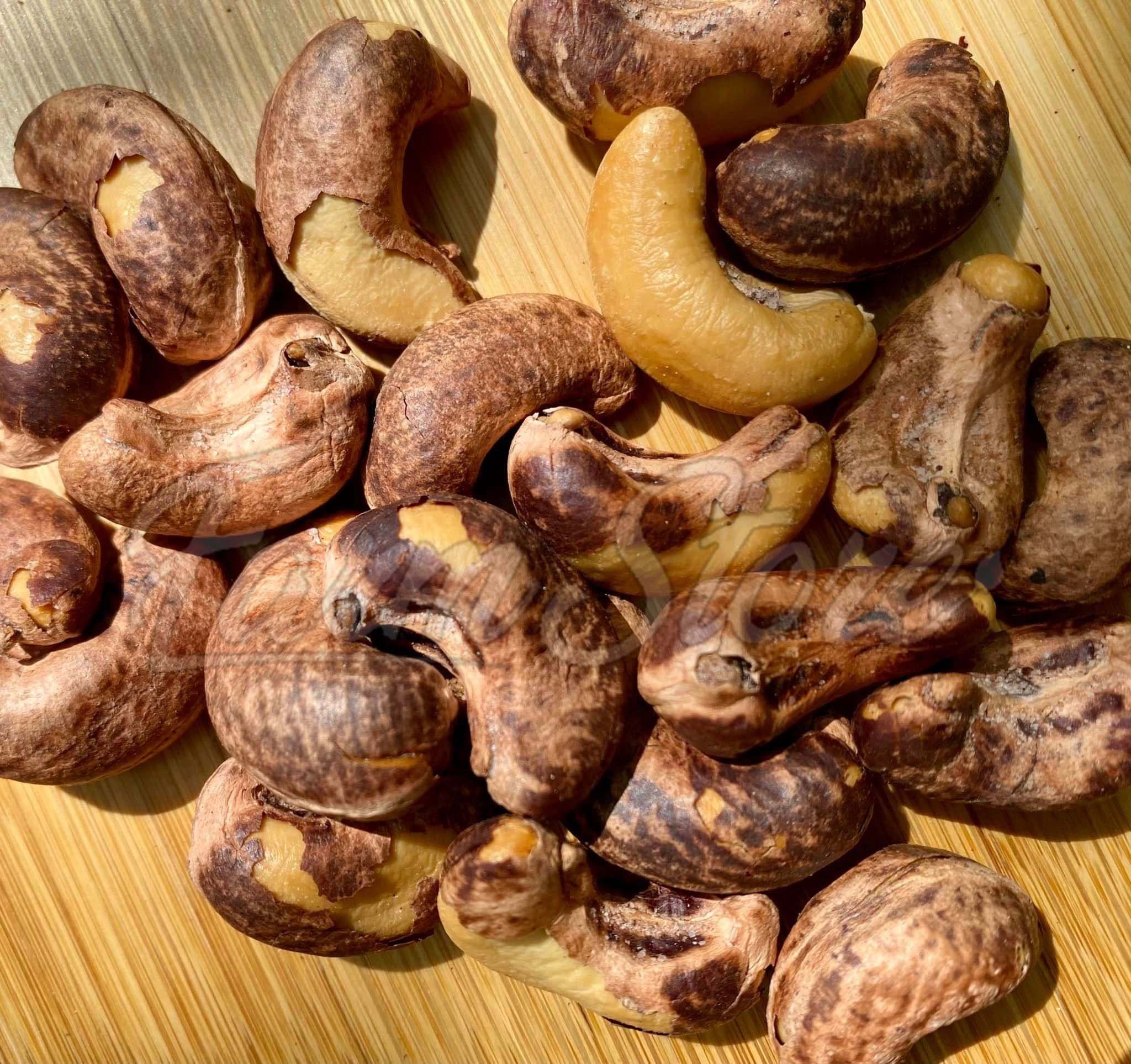
Doctors also warn that salted or flavored cashews can be high in sodium, which may negatively affect blood pressure. Additionally, some people may have nut allergies, and overeating cashews can lead to digestive discomfort or unwanted weight gain.
Final Thoughts
Cashews can be a healthy addition to your diet when eaten in moderation and in their natural or lightly roasted form. Like many foods, the key lies in balance. Instead of viewing them as just a snack, think of cashews as a nutrient-rich option that can support your overall health when consumed wisely.