Red cabbage, also known as purple cabbage, is one of the most underrated vegetables. With its vibrant color, crunchy texture, and slightly peppery taste, this cruciferous vegetable offers far more than visual appeal. It is rich in antioxidants, fiber, and essential vitamins that support overall health.
Nutrition experts often consider red cabbage a low-calorie, nutrient-dense food that may help boost immunity, support heart health, and reduce inflammation.
Here are 11 powerful health benefits of red cabbage and why you may want to add it to your meals.
1. Rich in Essential Nutrients
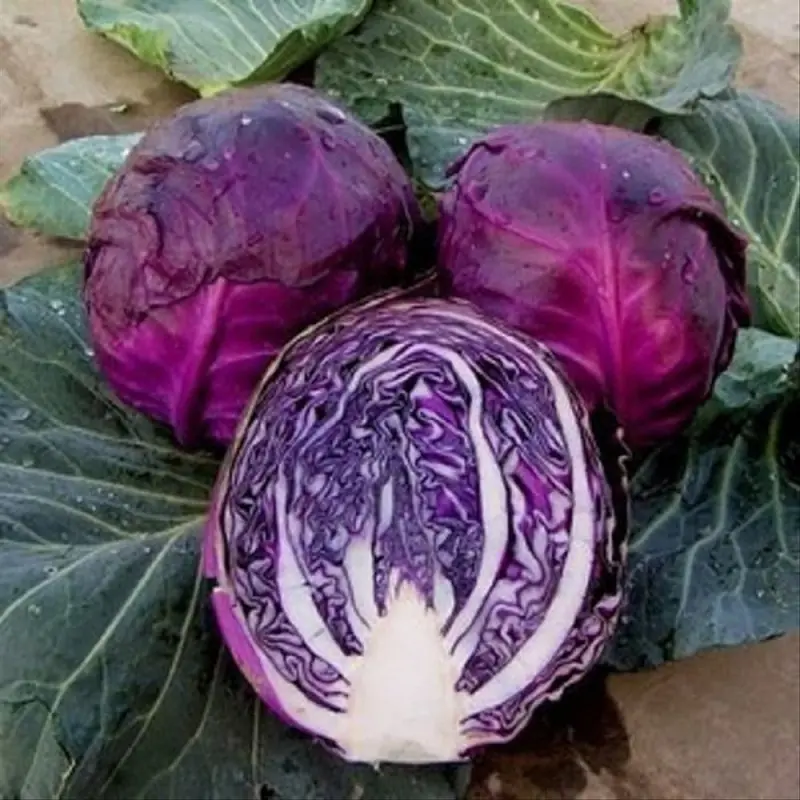
Red cabbage is low in calories but packed with nutrients. One cup provides significant amounts of:
-
Vitamin C
-
Vitamin K
-
Fiber
-
Potassium
-
Vitamin A
-
Antioxidants
It also contains beneficial plant compounds such as polyphenols and glucosinolates, which are associated with disease protection.
2. High in Antioxidants
The purple color of red cabbage comes from anthocyanins, powerful antioxidants also found in berries and grapes.
Antioxidants help:
-
Neutralize free radicals
-
Reduce oxidative stress
-
Protect cells from damage
Red cabbage contains over 30 types of anthocyanins, making it one of the most antioxidant-rich vegetables.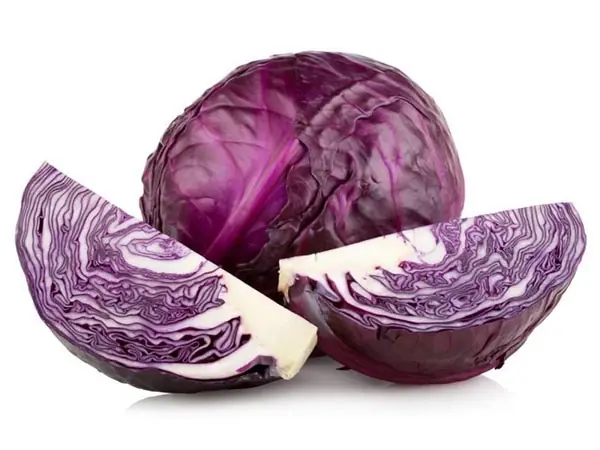
3. Supports Heart Health
Anthocyanins in purple vegetables may help improve blood vessel function and reduce inflammation.
Potential benefits include:
-
Lower LDL cholesterol
-
Improved circulation
-
Reduced blood pressure
-
Stronger blood vessels
4. Helps Reduce Inflammation
Chronic inflammation is linked to conditions such as arthritis, diabetes, and heart disease. Red cabbage contains plant compounds that may help reduce inflammation and related symptoms.
5. Boosts the Immune System
Red cabbage is rich in vitamin C, which helps:
-
Support immune function
-
Stimulate white blood cell production
-
Protect cells from oxidative damage
6. Promotes Digestive Health
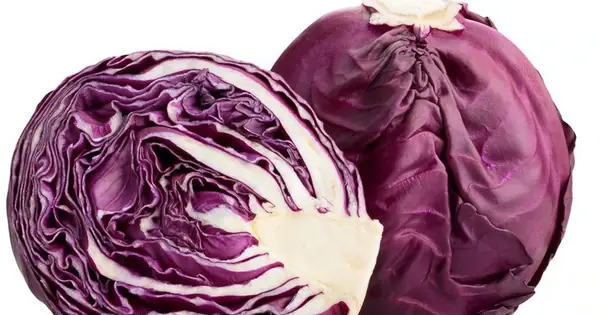
The fiber in red cabbage supports healthy digestion by:
-
Improving gut health
-
Preventing constipation
-
Supporting beneficial gut bacteria
7. Supports Strong Bones
Red cabbage contains nutrients important for bone health, including:
-
Vitamin K
-
Calcium
-
Magnesium
-
Vitamin C
Vitamin K plays a key role in maintaining bone density.
8. May Help Protect Against Cancer
Like other cruciferous vegetables (broccoli, kale, Brussels sprouts), red cabbage contains glucosinolates and sulforaphane, compounds that may help protect cells and support the body’s natural detoxification processes.
9. Supports Brain Health
Anthocyanins may help protect brain cells from oxidative stress and support cognitive function, memory, and healthy brain aging.
10. Helps With Weight Management
Red cabbage is ideal for healthy diets because it is:
-
Low in calories
-
High in fiber
-
High in water content
These qualities help increase fullness and reduce overall calorie intake.
11. Improves Skin Health
Vitamin C and antioxidants in red cabbage support:
-
Collagen production
-
Skin elasticity
-
Protection from environmental damage
How to Add Red Cabbage to Your Diet
Red cabbage is versatile and easy to include in meals. You can:
-
Add shredded cabbage to salads
-
Use it in tacos or wraps
-
Stir-fry it with other vegetables
-
Make fermented sauerkraut
-
Blend it into juices or smoothies
Final Thoughts
Red cabbage is a nutrient-dense vegetable packed with antioxidants, vitamins, and fiber. Regular consumption may support heart health, digestion, immunity, and overall wellness.
Sometimes the most powerful superfoods aren’t expensive or exotic — they’re simple ingredients already available in your kitchen.