What Happens When You Eat Winged Beans? Doctors Explain
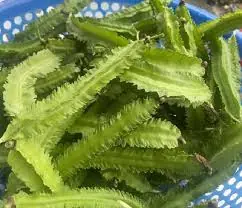
Winged beans may not be as well known as other vegetables, but they are considered one of the most nutritious plants you can add to your diet. Often called the “one-plant supermarket,” nearly every part of the winged bean plant can be eaten, from the pods to the leaves and even the roots. According to nutrition experts, regularly including winged beans in your meals can provide a wide range of health benefits.
1. A Powerful Source of Plant Protein
One of the biggest advantages of winged beans is their high protein content. Doctors and nutritionists often point out that winged beans contain significantly more protein than many other vegetables. This makes them an excellent option for vegetarians or anyone looking to reduce their meat consumption while still meeting their protein needs.
Protein plays an important role in repairing tissues, supporting muscle growth, and maintaining overall body function. Adding winged beans to your meals can help keep your body strong and energized.
2. Supports Heart Health
Winged beans are rich in fiber and beneficial plant compounds that help support cardiovascular health. Dietary fiber can help reduce levels of bad cholesterol (LDL) in the blood, which lowers the risk of heart disease over time.
In addition, winged beans contain antioxidants that help protect blood vessels from damage caused by oxidative stress. Many doctors recommend increasing fiber-rich foods like winged beans to promote better heart health.
3. Helps Control Blood Sugar Levels

Another benefit of winged beans is their ability to help stabilize blood sugar. Because they contain fiber and complex carbohydrates, they are digested more slowly than highly processed foods. This slower digestion helps prevent sudden spikes in blood sugar levels.
For people who are trying to manage their blood sugar or maintain steady energy levels throughout the day, foods like winged beans can be a valuable addition to a balanced diet.
4. Supports Digestive Health
Winged beans are an excellent source of dietary fiber, which is essential for healthy digestion. Fiber helps keep the digestive system moving properly and can reduce the risk of constipation.
A fiber-rich diet also supports the growth of beneficial gut bacteria. These bacteria play an important role in digestion, immunity, and even mood regulation. By adding foods like winged beans to your meals, you help create a healthier environment for your gut.
5. Rich in Essential Vitamins and Minerals
Winged beans contain a variety of important nutrients, including vitamin C, iron, calcium, magnesium, and potassium. These nutrients contribute to many vital functions in the body, such as strengthening the immune system, maintaining healthy bones, and supporting proper muscle and nerve function.
For example, iron helps the body produce healthy red blood cells, while calcium and magnesium help maintain strong bones and teeth.
6. May Help With Weight Management
Because winged beans are high in fiber and protein, they can help you feel full for longer periods of time. This can reduce unnecessary snacking and help support healthy weight management.
Doctors often emphasize that foods rich in protein and fiber tend to promote better satiety, which makes it easier to maintain a balanced diet without overeating.
The Bottom Line
Winged beans are a highly nutritious food that offers a wide range of health benefits. From supporting heart and digestive health to helping manage blood sugar and providing essential nutrients, this unique vegetable can be a valuable addition to many diets.
While winged beans are not a miracle food, doctors agree that including a variety of nutrient-rich vegetables like winged beans in your daily meals is a smart step toward better overall health.