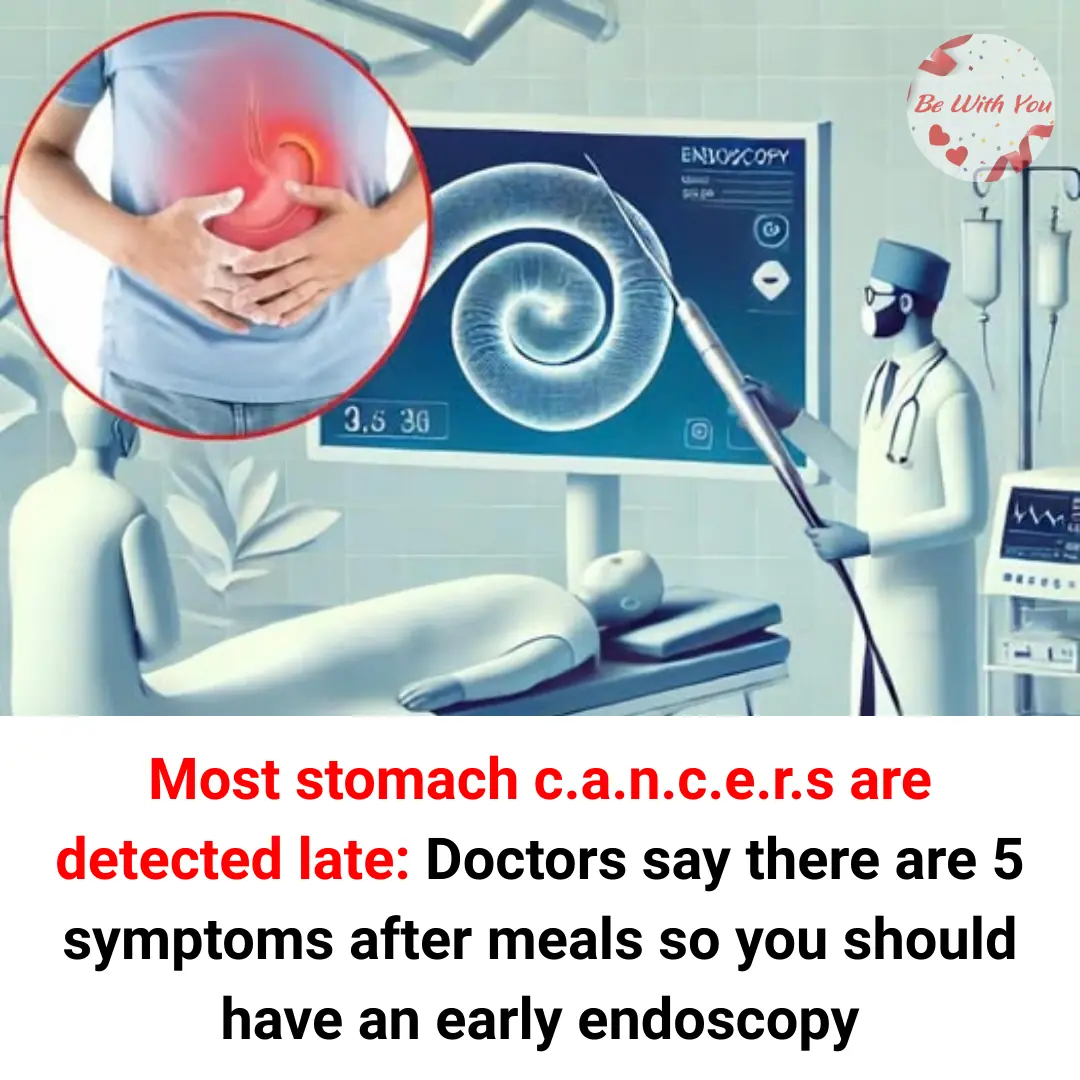
Stomach cancer, or gastric cancer, is often diagnosed in later stages because its symptoms can be subtle or mistaken for other conditions. However, there are certain signs that might indicate a problem, especially after eating. If you experience any of the following five symptoms regularly after meals, doctors suggest considering an early endoscopy to catch potential issues early:
-
Persistent Stomach Pain or Discomfort: If you experience consistent or worsening stomach pain, bloating, or a feeling of fullness, particularly after eating, it could be a sign of stomach cancer or other digestive issues.
-
Nausea or Vomiting: Frequent nausea or vomiting after meals, especially if it’s accompanied by blood (which may look like coffee grounds), could be a concerning symptom. This may be a sign of bleeding in the stomach or other issues related to stomach cancer.
-
Loss of Appetite or Unexplained Weight Loss: A sudden decrease in appetite, coupled with unintentional weight loss, is a common symptom of stomach cancer. If these occur together after eating, it’s worth seeking medical advice.
-
Difficulty Swallowing (Dysphagia): If you have trouble swallowing or feel like food is getting stuck in your throat or chest after meals, it could be due to a tumor obstructing the passage of food.
-
Heartburn or Indigestion (Acid Reflux): While occasional heartburn is common, chronic indigestion or acid reflux, especially if it’s different from your usual symptoms or becomes more severe after eating, may signal a more serious condition, including stomach cancer.
If you notice any of these symptoms, especially if they persist over time, it’s important to consult with a doctor. Early detection through procedures like endoscopy can help diagnose stomach cancer at a more treatable stage and improve outcomes.