When Bruises Appear Without Reason: What Doctors Want You to Know
Have you ever looked down at your arm or leg and noticed a bruise you can't explain?
For many people, an occasional unexplained bruise is nothing to worry about. You may have bumped into a table, doorway, or piece of furniture without remembering it. However, when bruises begin appearing frequently, seem unusually large, or develop without any obvious injury, doctors say it's worth paying attention.
While most unexplained bruises are harmless, they can sometimes be a sign that your body is trying to tell you something important.
What Causes a Bruise?

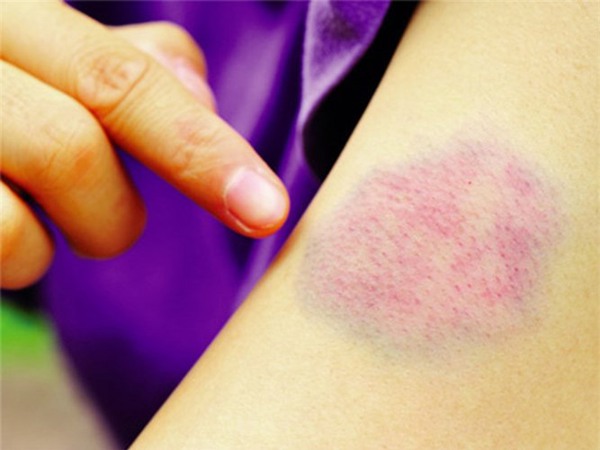
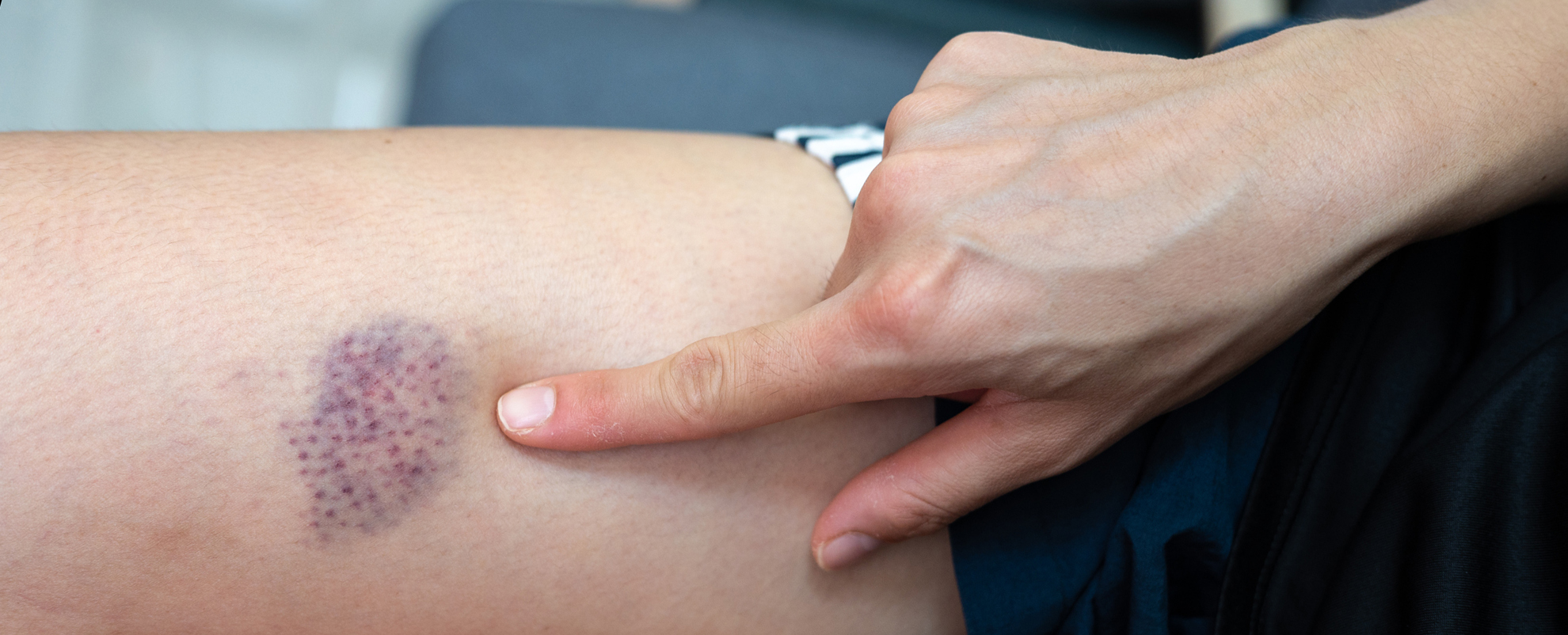
A bruise forms when tiny blood vessels called capillaries break beneath the skin. Blood leaks into the surrounding tissue, creating the familiar blue, purple, black, or yellow discoloration.
Most bruises result from minor injuries that damage these small blood vessels. Because the skin itself remains intact, the blood becomes trapped underneath, creating a visible mark.
As the body gradually reabsorbs the blood, the bruise changes color and eventually fades away.
Why Do Some Bruises Seem to Appear Out of Nowhere?
Doctors explain that there are several possible reasons for unexplained bruising.
1. Aging Skin
As we get older, our skin naturally becomes thinner and loses some of its protective fatty layer. Blood vessels also become more fragile.
This means even minor bumps that might have gone unnoticed years ago can now cause noticeable bruises.
For this reason, unexplained bruising is especially common among older adults.
2. Certain Medications
Some medications make bruising more likely because they affect the body's ability to clot blood.
Common examples include:
- Blood thinners
- Aspirin
- Some anti-inflammatory medications
- Certain antidepressants
- Long-term corticosteroid use
People taking these medications may notice bruises developing more easily than before.
3. Vitamin Deficiencies
Several nutrients play important roles in maintaining healthy blood vessels and proper blood clotting.
Deficiencies in nutrients such as:
- Vitamin C
- Vitamin K
- Iron
- Certain B vitamins
may contribute to easier bruising in some individuals.
4. Intense Physical Activity
Exercise is generally beneficial for health, but strenuous workouts can occasionally cause tiny blood vessels to rupture, leading to bruising.
This is particularly common among people who participate in weightlifting, contact sports, or high-intensity training programs.
5. Underlying Medical Conditions
In some cases, unexplained bruising may be associated with an underlying health condition.
Examples include:
- Blood clotting disorders
- Low platelet counts
- Liver disease
- Certain autoimmune disorders
- Some forms of blood-related cancers
It's important to remember that these conditions are much less common than everyday causes such as aging or medication use. However, they are among the reasons doctors recommend evaluating persistent or unusual bruising.
Warning Signs You Shouldn't Ignore
Most bruises heal on their own and do not require medical treatment.
However, healthcare professionals recommend seeking medical advice if bruising is accompanied by:
- Frequent unexplained bruises
- Very large bruises
- Bruises appearing in unusual locations such as the back, abdomen, or face
- Excessive bleeding from the gums or nose
- Blood in urine or stool
- Persistent fatigue
- Unexplained weight loss
- Recurrent infections
- Severe pain or swelling
These symptoms do not automatically indicate a serious condition, but they may warrant further evaluation.
How Doctors Investigate Unexplained Bruising
If a healthcare provider believes further investigation is needed, they may ask questions about:
- Recent injuries
- Family medical history
- Medications and supplements
- Diet and lifestyle habits
Blood tests may also be ordered to evaluate:
- Platelet levels
- Blood clotting function
- Vitamin deficiencies
- Liver function
These tests can often help identify the underlying cause.
Can Unexplained Bruising Be Prevented?
Not all bruises can be prevented, but some strategies may reduce the likelihood of frequent bruising:
- Eat a balanced diet rich in fruits and vegetables
- Ensure adequate vitamin intake
- Stay physically active
- Use protective equipment during sports
- Review medications with your healthcare provider if bruising becomes excessive
- Take steps to reduce fall risks, especially as you age
The Bottom Line
Finding an occasional unexplained bruise is usually not a cause for alarm. In many cases, the explanation is as simple as a minor bump you don't remember receiving.
However, if bruises begin appearing frequently, become larger than usual, or occur alongside other concerning symptoms, doctors recommend paying closer attention and consulting a healthcare professional.
Your body often provides subtle clues when something isn't quite right. While unexplained bruising is often harmless, understanding the possible causes can help you know when it's time to seek medical advice and when it's simply part of everyday life.