A 45-Year-Old Man Di.es from Colo.rectal Can.cer: Doctors Warn About 3 Common Breakfast Habits
A tragic case has raised serious concerns about everyday eating habits. A 45-year-old man passed away after being diagnosed with advanced colorectal cancer, with doctors pointing to long-term dietary patterns—especially breakfast choices—as a major contributing factor.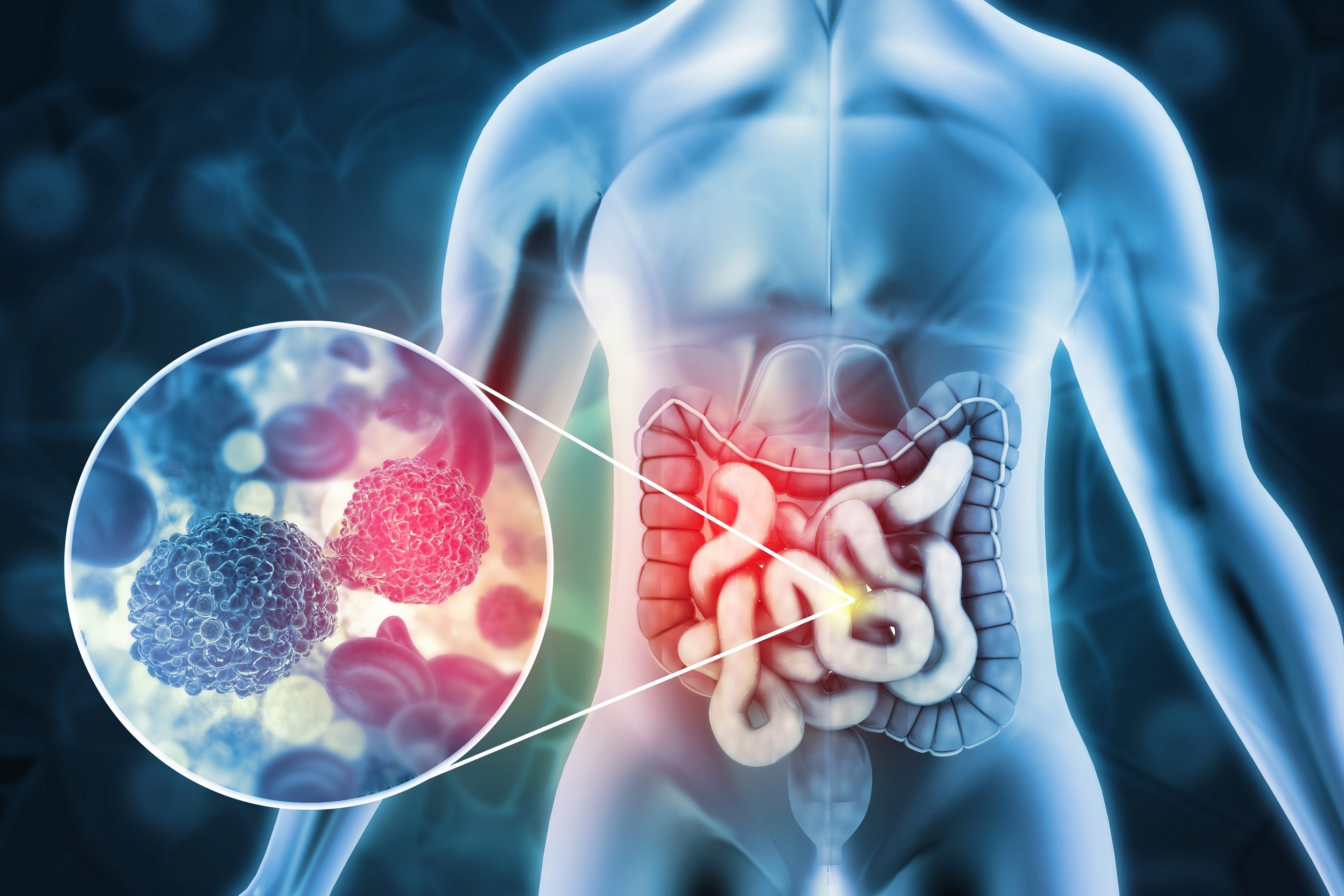
A Silent Disease That Progressed Rapidly
The man was admitted to the hospital with severe abdominal pain, persistent fever, and frequent vomiting. Prior to that, he had experienced rapid weight loss, loss of appetite, and blood in his stool. However, he dismissed these symptoms as minor digestive issues and did not seek medical attention early.
Medical examinations later revealed that he had stage IV colorectal cancer, which had already spread to multiple organs. Despite undergoing treatment, he survived only a short period after diagnosis.
The Hidden Cause: Everyday Breakfast Habits
According to doctors, the most alarming factor was not alcohol or smoking—but his long-term breakfast routine. Three types of commonly consumed foods were identified as key risks:
1. Fried and High-Fat Foods
Regular consumption of deep-fried items and foods high in saturated fat can lead to chronic constipation. When waste remains in the intestines for too long, harmful substances irritate the intestinal lining, increasing the risk of abnormal cell growth.
2. Pickled and Smoked Foods
Foods like pickled vegetables and smoked meats contain compounds such as nitrites and carcinogenic substances. These can transform into harmful chemicals in the body, potentially damaging cells in the colon over time.
3. High-Sugar Foods and Drinks
Sugary breakfasts—including sweet pastries and sweetened beverages—can contribute to obesity and disrupt gut balance. Excess sugar also creates an environment that may promote the growth of cancer cells.
Lifestyle Factors That Made It Worse
In addition to poor diet, the man had other unhealthy habits, including low fiber intake, prolonged constipation, lack of vegetables, and irregular sleep patterns. These factors combined to accelerate the progression of the disease.
Doctors emphasize that colorectal cancer is often linked to long-term lifestyle choices rather than a single cause.

Warning Signs You Should Never Ignore
Experts warn that early symptoms are often subtle but may include:
- Changes in bowel habits
- Blood in the stool
- Persistent constipation or diarrhea
- Unexplained weight loss
Ignoring these signs can delay diagnosis until the disease reaches an advanced stage.
How to Protect Your Digestive Health
To reduce the risk of colorectal cancer, doctors recommend:
- Eating a balanced breakfast rich in fiber and nutrients
- Limiting fried, processed, and high-sugar foods
- Drinking enough water daily
- Exercising regularly to support digestion
Early screening and paying attention to your body are key to prevention.
Final Thoughts
This case is a powerful reminder that even familiar, everyday foods can become harmful when consumed excessively over time. Breakfast is not just the first meal of the day—it can also shape your long-term health.