Noticed Dark Spots Showing Up on Your Hands or Body? Don’t Ignore Them
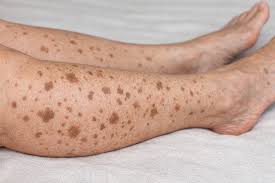
Dark spots on the skin are extremely common, especially as people get older. Many appear harmless and are simply linked to aging or sun exposure. However, doctors warn that certain skin changes should never be ignored, particularly if the spots suddenly appear, change rapidly, or are accompanied by other symptoms.
The skin often reflects what is happening inside the body. In some cases, dark spots may be linked to hormone changes, nutritional deficiencies, diabetes, liver problems, or even skin cancer.
Understanding the possible causes may help you know when it’s time to seek medical attention.
1. Age Spots (Liver Spots)
One of the most common causes of dark spots is age spots, also known as liver spots or sun spots.
These flat brown, black, or gray patches usually appear on areas frequently exposed to sunlight, such as:
- Hands
- Face
- Arms
- Shoulders
- Chest
They develop gradually over time due to years of ultraviolet (UV) exposure.
Common characteristics:
- Flat and painless
- Brown or dark in color
- Usually harmless
- More common after age 40
Although age spots are generally not dangerous, doctors recommend monitoring them for unusual changes.
2. Sun Damage
Excessive sun exposure can increase melanin production, leading to darker patches on the skin.
UV rays accelerate skin aging and may also damage skin cells over time. People who spend long hours outdoors without sunscreen are more likely to develop uneven pigmentation.
Warning signs of severe sun damage:
- Rough texture
- Rapidly changing spots
- Bleeding or crusting lesions
- Irregular borders
These changes should be evaluated by a dermatologist.
3. Hormonal Changes
Hormonal fluctuations may also trigger dark patches, especially on the face and body.
This condition, called melasma, is often associated with:
- Pregnancy
- Birth control pills
- Hormone therapy
- Thyroid disorders
Melasma usually appears as symmetrical brown or gray patches and may worsen with sun exposure.
4. Diabetes and Insulin Resistance

Darkened skin in certain areas can sometimes be linked to insulin resistance or diabetes.
A condition called acanthosis nigricans causes velvety dark patches that commonly appear on:
- Neck
- Armpits
- Groin
- Elbows
- Knuckles
Doctors say this may be an early warning sign that blood sugar levels are becoming abnormal.
Other symptoms may include:
- Fatigue
- Increased thirst
- Frequent urination
- Weight changes
5. Vitamin Deficiencies
Certain nutritional deficiencies may affect skin pigmentation.
Low levels of:
- Vitamin B12
- Iron
- Folate
can sometimes contribute to darkening of the skin or uneven pigmentation.
People with poor diets, digestive disorders, or chronic illnesses may be at greater risk.
6. Skin Cancer Warning Signs
While many dark spots are harmless, some may be signs of skin cancer, including melanoma.
Doctors recommend paying close attention to spots that:
- Change in size
- Become asymmetrical
- Have irregular borders
- Display multiple colors
- Bleed or itch
- Grow rapidly
Early detection is extremely important because melanoma can become life-threatening if not treated promptly.
When Should You See a Doctor?
Medical experts recommend seeking evaluation if:
- A spot suddenly changes appearance
- It becomes painful or itchy
- It bleeds
- Multiple new spots appear quickly
- You notice unexplained skin darkening
A dermatologist can determine whether the spots are harmless or require further testing.
How to Protect Your Skin
Doctors recommend several habits to maintain healthy skin and reduce the risk of abnormal pigmentation:
- Wear sunscreen daily
- Avoid excessive sun exposure
- Stay hydrated
- Eat a balanced diet rich in vitamins
- Avoid smoking
- Monitor changes in your skin regularly
Early attention to skin changes may help detect health problems before they become more serious./sc-assets/prd/practices/8abe1054-9d3d-4aa1-9f0c-185218a2a3c5/AdobeStock_1356703075%20(1).jpeg)
Final Thoughts
Dark spots on the hands or body are often harmless, but they can sometimes serve as important warning signs. Your skin is one of the body’s largest organs, and unusual changes should never be ignored.
Paying attention to your skin and seeking medical advice when something looks unusual may help protect not only your appearance — but your overall health as well.