Foamy Urine: A Possible Warning Sign of an Underlying Health Issue
Noticing foam in your urine from time to time might not seem like a big deal. In many cases, it can be completely harmless. However, persistent or frequent foamy urine could be your body’s way of signaling that something deeper may be going on—especially related to kidney health.
Understanding the difference between normal and concerning signs can help you know when to pay closer attention.
What Causes Foamy Urine?

Occasional foam in urine is often harmless and may be caused by simple factors such as:
- Fast urination: A strong stream hitting the toilet water can create bubbles
- Dehydration: Concentrated urine may appear foamy
- Cleaning chemicals: Residue in the toilet can react and create foam
If it happens once in a while and disappears quickly, it’s usually nothing to worry about.
When Foam May Be a Warning Sign
If your urine is consistently foamy, especially with a thick, persistent foam that looks like soap bubbles, it could be a sign of protein in the urine—a condition known as proteinuria.
This may indicate a problem with how your kidneys are filtering waste.
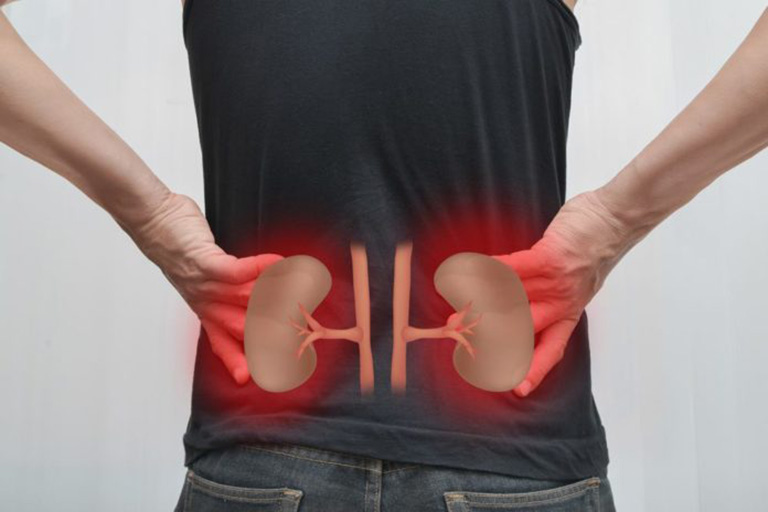
The Hidden Issue: Kidney Problems
Healthy kidneys filter waste while keeping essential proteins in the blood. When the kidneys are damaged, protein can leak into the urine, causing it to appear foamy.
Possible related conditions include:
- Early-stage kidney disease
- High blood pressure affecting kidney function
- Diabetes-related kidney damage
- Inflammation of the kidneys
Because kidney disease often develops silently, this small sign can sometimes be an early clue.
Other Symptoms to Watch For
Foamy urine alone doesn’t confirm a serious condition, but if you notice it along with the following symptoms, it’s important to seek medical advice:
- Swelling in the hands, feet, or face
- Fatigue or low energy
- Changes in urination (frequency, color, or amount)
- Difficulty concentrating
- Unexplained weight gain due to fluid retention
What Should You Do?
If you frequently notice foamy urine:
- Stay well hydrated and monitor if it improves
- Observe how often it happens and any related symptoms
- Avoid self-diagnosing
- Consult a healthcare professional for proper testing
A simple urine test can determine if there is excess protein present.

The Bottom Line
Foamy urine is often harmless—but when it happens regularly, it shouldn’t be ignored. It may be an early sign of kidney-related issues or other underlying conditions.
Paying attention to small changes in your body can make a big difference. When in doubt, getting checked early is always the safest approach.