Rising De.aths From Kid.ney Failure: Doctors Warn of 5 Warning Signs During Eating That Should Not Be Ignored
In recent years, the number of people suffering from chronic kidney disease and kidney failure has been steadily increasing. Doctors warn that this condition is particularly dangerous because it often develops silently, with few noticeable symptoms in its early stages. If left undetected, it can lead to serious complications such as anemia, cardiovascular disease, electrolyte imbalances, dialysis dependency, or even death.
Hidden Signals From Everyday Eating Habits
According to medical experts, beyond common symptoms like fatigue, swelling, or frequent nighttime urination, the body may also send warning signals through unusual reactions related to eating and drinking.
If these signs appear frequently, they could indicate that the kidneys are under stress or already impaired.
5 Warning Signs That Your Kidneys May Be “Calling for Help”
1. Loss of Appetite
If you often feel full quickly, lose interest in food, or experience prolonged bloating, it may be a sign to watch out for.
In people with kidney problems, the buildup of toxins in the body can reduce appetite and disrupt digestion, making eating difficult.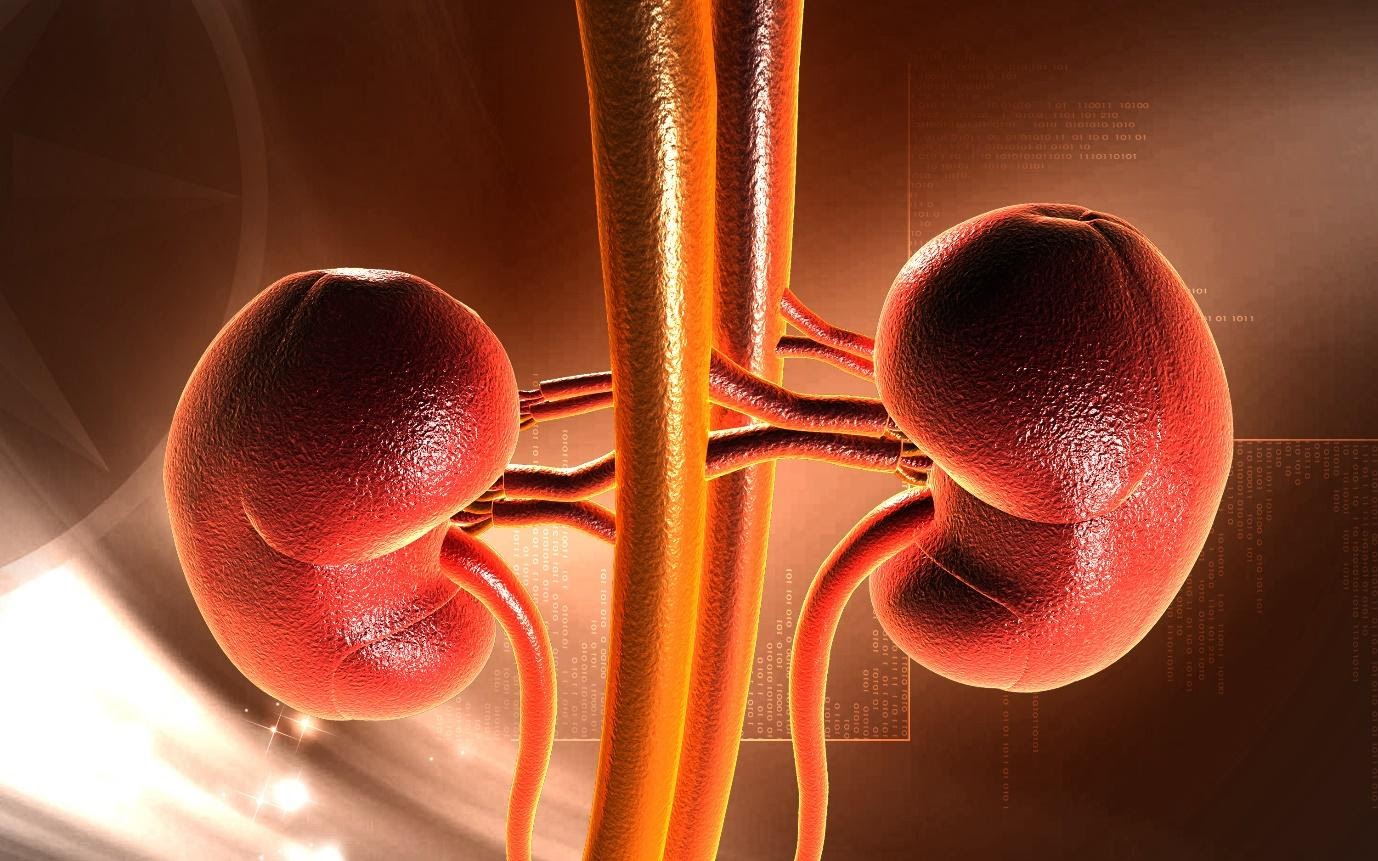
2. Bitter or Metallic Taste in the Mouth
The kidneys play a key role in filtering waste from the blood. When they are not functioning properly, waste products can accumulate, leading to symptoms such as a persistent metallic taste in the mouth and ongoing fatigue.
3. Nausea or Vomiting After Eating
Repeated nausea, abdominal discomfort, or vomiting after meals should not be ignored.
While these symptoms may be related to digestive issues, they can also occur when kidney function declines. Elevated urea levels in the blood may trigger frequent nausea, especially as the condition progresses.
4. Frequent Dry Mouth and Excessive Thirst
If you constantly feel thirsty or have a dry mouth but notice reduced urination, or feel bloated after drinking water, it may indicate fluid retention.
This happens when the kidneys are unable to effectively remove excess fluids from the body.
5. Swelling or High Blood Pressure After Eating Salty Foods
After consuming salty meals such as processed foods, instant noodles, or heavily seasoned dishes, some people may experience puffy eyes, swollen limbs, headaches, or increased blood pressure.
This could be a sign that the kidneys are struggling to eliminate sodium, causing the body to retain water.
Other Symptoms Not to Overlook
In addition to eating-related signs, kidney failure may also present with:
- Persistent fatigue
- Pale skin due to anemia
- Swelling in the face, ankles, or feet
- Changes in urination (frequent urination at night, foamy or bloody urine)
As the condition worsens, more severe symptoms such as shortness of breath, muscle cramps, headaches, itching, and difficulty concentrating may appear.
A Silent Disease That’s Easy to Miss
Doctors emphasize that kidney disease is often called a “silent killer” because its symptoms can be mild and easily mistaken for everyday fatigue or digestive issues. Many patients only discover the condition when kidney function has already significantly declined.
How to Protect Your Kidneys
To reduce the risk of kidney damage, experts recommend:
- Drinking enough water daily
- Limiting salt intake
- Reducing processed foods
- Maintaining healthy blood sugar and blood pressure
- Exercising regularly and maintaining a healthy weight
- Avoiding overuse of painkillers or unverified supplements
If symptoms such as loss of appetite, nausea, swelling, or prolonged fatigue persist, individuals should seek medical attention promptly.