
Have You Ever Seen the Kamitetep? Here's What Makes This Unusual Moth So Fascinating
Curious About the Kamitetep? Here's What You Should Know About This Remarkable Moth
Health 30/06/2026 10:52
Waking up occasionally in the middle of the night is normal. Stress, noise, or a bad dream can interrupt anyone’s sleep. However, consistently waking up between 2 AM and 3 AM, night after night, may be a sign that something deeper is affecting your body or mind — not just poor sleep habits.
Doctors and sleep specialists caution that this specific time window is often linked to hormonal, neurological, metabolic, and emotional factors that deserve attention.
During deep sleep, the body enters an important repair phase. Around 2–3 AM:
Cortisol (the stress hormone) begins to rise
Blood sugar regulation shifts
The liver increases detox and metabolic activity
The nervous system transitions between sleep cycles
If something disrupts these processes, the brain may force you awake, even if you feel exhausted.
One of the most common causes of waking at this time is chronic stress.
When stress levels are high:
Cortisol spikes earlier than normal
The body enters “alert mode”
Deep sleep is interrupted
People experiencing work pressure, anxiety, unresolved emotional tension, or burnout often report waking suddenly with racing thoughts during this window.
Key clue: You wake up alert, anxious, or unable to fall back asleep.
Low blood sugar during the night (nocturnal hypoglycemia) can trigger sudden awakenings.
This is especially common in:
People with diabetes or prediabetes
Those who eat late, sugary dinners
People who skip meals or diet aggressively
When blood sugar drops too low, the body releases adrenaline and cortisol to compensate — which wakes you up abruptly.
Warning signs:
Night sweats
Shakiness
Hunger upon waking
Rapid heartbeat
From a physiological perspective, the liver is highly active during the early morning hours, processing toxins, medications, alcohol, and metabolic waste.
Regular waking during this time may be linked to:
Heavy alcohol consumption
Fatty liver disease
Late-night eating
Poor metabolic health
While this does not automatically indicate liver disease, it can signal that your body is struggling to manage metabolic demands overnight.
Sleep disturbances are a well-documented symptom of mood disorders.
People with anxiety or depression often:
Fall asleep easily
Wake between 2–4 AM
Experience negative or repetitive thoughts
Struggle to return to sleep
This pattern is particularly common in depression, where early-morning awakening is a hallmark symptom.
Obstructive sleep apnea can also cause frequent nighttime awakenings.
When breathing briefly stops during sleep:
Oxygen levels drop
The brain wakes you to restore breathing
This often occurs during REM sleep, which cycles around 2–3 AM
Clues include:
Loud snoring
Waking up gasping
Morning headaches
Daytime fatigue
Many people have sleep apnea without realizing it.
 nal Changes
Hormonal shifts can strongly affect sleep patterns.
This is common in:
Perimenopause and menopause
Thyroid disorders
High cortisol or low melatonin levels
Hormonal imbalances can disrupt the body’s na
Curious About the Kamitetep? Here's What You Should Know About This Remarkable Moth

Doctors Say This Everyday Fruit May Be Better for You Than You Think

Drinking more water isn't always better

The Reason You Wake Up at 3 or 4 A.M. May Surprise You 👀

Millions Miss These 9 Early Diabetes Symptoms—Don't Be One of Them

Your Bruises Could Be Telling You Something Important About Your Health

The bumps are a lot more common than you'd think

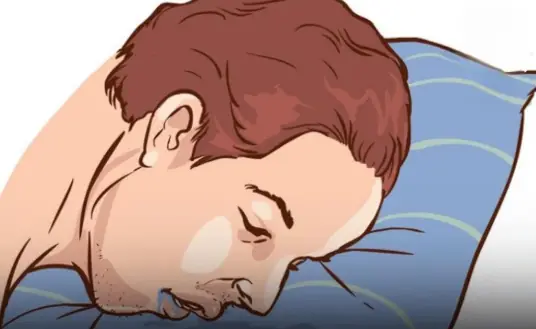
If You Drool While Sleeping Often, Check for These 6 Diseases


For example, if you have these 4 conditions when walking, be alert for diabetes



Eating for Healthy Skin: 9 Foods That May Promote Natural Collagen Production

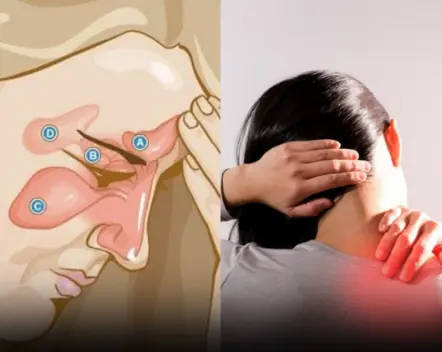

4 Types of Drinks Doctors Warn Against: A Growing Cause of Kidney Disease


🫚 One Cup Before Bed: 8 Possible Benefits of Ginger Tea
Curious About the Kamitetep? Here's What You Should Know About This Remarkable Moth
Doctors Say This Everyday Fruit May Be Better for You Than You Think
Drinking more water isn't always better
The Reason You Wake Up at 3 or 4 A.M. May Surprise You 👀
Millions Miss These 9 Early Diabetes Symptoms—Don't Be One of Them
Your Bruises Could Be Telling You Something Important About Your Health

The Surprising Safety Reason Cabin Crew Sit With Their Hands Under Their Legs
The bumps are a lot more common than you'd think

If You Drool While Sleeping Often, Check for These 6 Diseases
For example, if you have these 4 conditions when walking, be alert for diabetes
Eating for Healthy Skin: 9 Foods That May Promote Natural Collagen Production
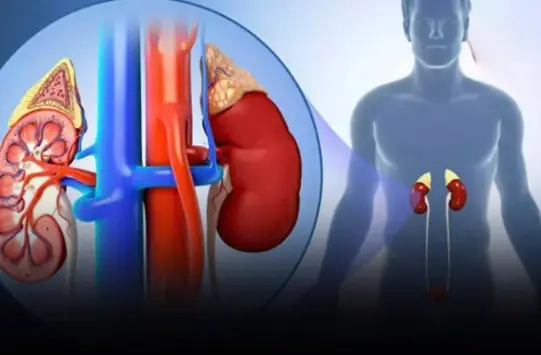
Most people don’t notice kidney failure until it’s too late — remember this to prevent it Kidney Failure Is Silent — Remember to Do These Things to Prevent It