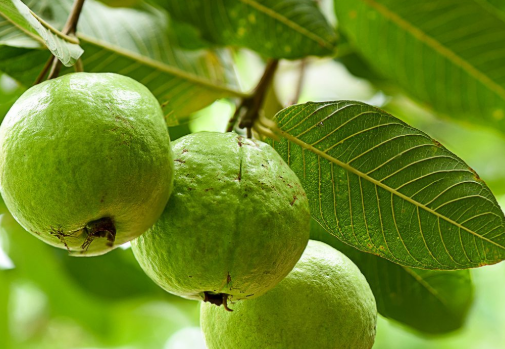
Guava is widely praised as one of the healthiest tropical fruits in the world. Packed with vitamin C, fiber, antioxidants, and important nutrients, guava has long been associated with benefits for digestion, immunity, heart health, and blood sugar balance. In many countries, it is considered a nutritious daily snack and a staple in healthy diets.
But despite its impressive nutritional profile, doctors and nutrition experts say guava is not always harmless in every situation. Eating guava improperly, excessively, or under certain health conditions may lead to digestive discomfort and other unwanted effects.
Like many healthy foods, guava offers the greatest benefits when consumed in moderation and prepared appropriately.
Here’s what experts want people to understand about the possible risks linked to eating guava incorrectly.
Why Guava Is Considered So Healthy

Before discussing possible concerns, it’s important to recognize why guava is so highly valued nutritionally.
Guava contains:
- Vitamin C
- Dietary fiber
- Potassium
- Antioxidants
- Vitamin A
- Folate
It may help support:
- Immune health
- Digestion
- Heart health
- Skin health
- Blood sugar regulation
In fact, guava often contains more vitamin C than oranges.
However, even nutritious foods can cause problems when eaten excessively or under unsuitable conditions.
1. Eating Too Much Guava May Cause Digestive Problems
One of the most common issues linked to excessive guava consumption involves digestion.

Guava is rich in fiber, which is generally beneficial for digestive health. But consuming too much fiber too quickly may lead to:
- Bloating
- Gas
- Stomach cramps
- Loose stools
- Digestive discomfort
People who are not used to high-fiber diets may experience stronger symptoms.
The seeds in guava may also be difficult for some individuals to digest in large amounts.
2. Unripe Guava May Irritate the Stomach
Eating guava before it is fully ripe may sometimes irritate sensitive digestive systems.
Unripe guava can be:
- Harder
- More acidic
- More difficult to digest
Some people may experience:
- Stomach pain
- Indigestion
- Constipation-like discomfort
People with sensitive stomachs often tolerate ripe guava more comfortably.
3. Guava Seeds May Cause Problems for Some People

Guava seeds are edible and harmless for most people. However, in excessive quantities, they may cause issues for individuals with certain digestive sensitivities.
Possible concerns include:
- Difficulty digesting seeds
- Constipation discomfort
- Irritation in people with bowel sensitivity
People with existing digestive disorders may prefer eating guava in moderation or removing some seeds.
4. Blood Sugar May Be Affected Differently Depending on Preparation
Fresh guava generally has a relatively moderate glycemic impact because of its fiber content.
However, processed guava products such as:
- Sugary guava juice
- Sweetened jams
- Candied guava snacks
may contain large amounts of added sugar.
This may contribute to:
- Blood sugar spikes
- Excess calorie intake
People with diabetes or insulin resistance should pay attention to portion size and preparation methods.
Fresh whole guava is usually a better option than heavily sweetened products.
5. People With Certain Medical Conditions May Need Caution
Although guava is healthy for many people, some individuals may need extra caution, including those with:
- Sensitive digestive systems
- Irritable bowel syndrome (IBS)
- Certain gastrointestinal conditions
Excess fiber intake may worsen symptoms in some digestive disorders.
Additionally, people recovering from stomach illness or digestive surgery may need softer, easier-to-digest foods temporarily.
6. Eating Too Much Fiber Too Quickly Can Shock the Digestive System
Fiber is important, but sudden excessive intake may overwhelm digestion.
This applies not only to guava but also to many high-fiber fruits and vegetables.
Possible symptoms include:
- Cramping
- Excess gas
- Abdominal pressure
- Irregular bowel movements
Experts often recommend gradually increasing fiber intake while drinking enough water.
7. Poorly Washed Guava May Carry Contaminants
Like other fruits, guava may contain:
- Dirt
- Pesticide residue
- Bacteria on the skin
Eating unwashed fruit may increase the risk of digestive illness.
Proper washing before eating is important, especially when consuming the skin.
Can Guava Cause Constipation?
This depends on:
- Portion size
- Ripeness
- Water intake
- Individual digestion
For many people, guava’s fiber actually supports regular bowel movements. However:
- Eating excessive unripe guava
- Eating large amounts of seeds
- Not drinking enough water
may contribute to constipation-like discomfort in some cases.
The Right Way to Eat Guava
Experts generally recommend:
- Choosing ripe guava
- Eating moderate portions
- Washing thoroughly
- Drinking enough water
- Avoiding excessive sugary guava products
Balanced intake usually allows people to enjoy guava’s nutritional benefits safely.
Health Benefits of Moderate Guava Consumption
When consumed appropriately, guava may help support:
- Immune function
- Digestive health
- Skin health
- Heart health
- Antioxidant protection
The fruit’s high vitamin C content is especially valued for immune support and collagen production.
Moderation Matters With Every Food
One important lesson nutrition experts frequently emphasize is that even healthy foods can create problems when consumed excessively or improperly.
Guava is not “dangerous” for most healthy individuals. Instead, issues usually arise from:
- Overconsumption
- Improper preparation
- Existing health conditions
- Digestive sensitivity
Balance and variety remain essential in healthy eating.
Final Thoughts
Guava is undeniably one of the most nutritious tropical fruits available, offering fiber, antioxidants, vitamins, and numerous potential health benefits. However, doctors warn that eating guava improperly — especially in excessive amounts, when unripe, or without considering personal digestive health — may lead to discomfort or unwanted symptoms.
For most people, moderate consumption of ripe, properly washed guava is perfectly safe and beneficial.
Sometimes the healthiest approach is not avoiding nutritious foods entirely, but understanding how to enjoy them wisely and in balance.